


South Dakota 2026 Appointment Renewal Compliance Guide
In modern insurance operations, regulatory timelines directly impact how agencies and carriers manage appointments and producer licensing. South Dakota has introduced specific requirements for...

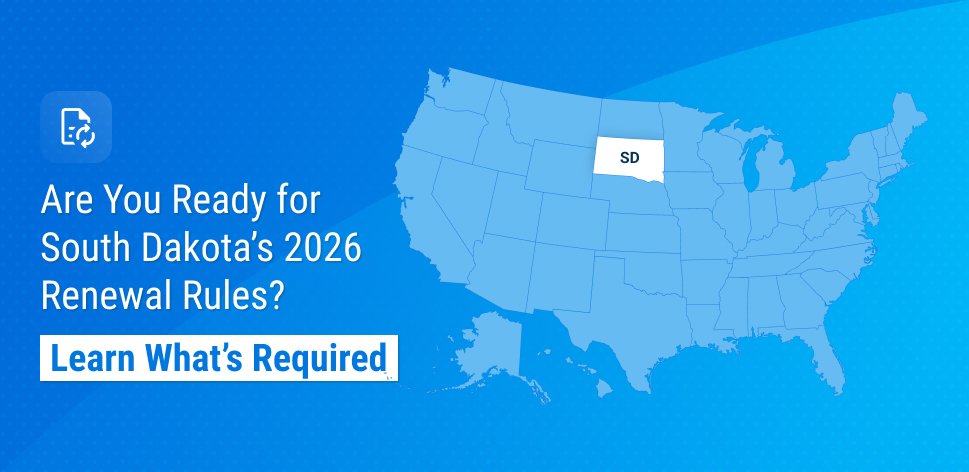
In modern insurance operations, regulatory timelines directly impact how agencies and carriers manage appointments and producer licensing. South Dakota has introduced specific requirements for 2026 company appointment renewals, making it essential for insurance organizations to stay aligned with compliance expectations.These updates reinforce the importance of structured appointment tracking, accurate license verification, and proactive renewal workflows. Many compliance teams are now turning to centralized platforms like Agenzee to manage these processes efficiently.
Table Of Content
Understanding South Dakota’s 2026 Renewal Requirements
South Dakota requires insurance carriers to review and renew company appointments within defined timelines. A carrier appointment refers to the authorization given by an insurance carrier to a licensed producer, allowing them to sell insurance products on its behalf.
For 2026, carriers must ensure that:
- All active producers hold valid licenses
- Appointments are renewed within the required window
- Terminated or inactive relationships are properly updated
Regulatory guidelines state that outdated or incorrect appointment records can lead to compliance risks, including penalties or audit issues.
Why Appointment Accuracy Matters in Compliance
In the insurance industry, appointment data is directly tied to regulatory compliance. Inaccurate records can create operational inefficiencies and increase audit exposure.
Why is this critical?
- Carriers must verify licensing before renewing appointments
- Agencies depend on valid appointments to maintain selling authority
- Regulators require accurate reporting of producer relationships
Inactive appointments or expired licenses can result in non-compliance. This is why many insurance organizations use compliance platforms like Agenzee to ensure real-time tracking.
Key Workflow for Appointment Renewal
Compliance teams often follow a structured workflow to manage renewal requirements effectively. A typical process includes:
- Verify producer licensing status
- Review existing carrier appointments
- Identify expiring or inactive records
- Renew eligible appointments
- Terminate outdated relationships
- Sync updates with systems like NIPR
- Generate compliance reports
This step-by-step approach reduces errors and ensures that all regulatory requirements are met within the defined timeframe.
Common Risks Faced by Carriers and Agencies
Many insurance carriers today face challenges in managing multi-state appointment data. South Dakota’s renewal requirements highlight common risks such as:
- Missing renewal deadlines
- Maintaining duplicate or outdated records
- Lack of centralized tracking systems
- Manual data entry errors
Compliance teams often struggle when processes are not automated. In regulated environments, even small discrepancies can lead to larger compliance issues.Learn more about insurance compliance strategies: https://www.tumblr.com/agenzee1/812495551532859392/new-york-2025-premium-tax-rules-brokers
How Automation Supports Compliance Management
Insurance automation plays a key role in reducing compliance risks. Platforms like Agenzee act as a producer licensing management system and appointment tracking software, helping organizations streamline operations.
Key benefits include:
- Centralized license tracking
- Automated renewal reminders
- Real-time appointment updates
- Integration with NIPR systems
- Improved reporting accuracy
Many insurance organizations rely on compliance automation to manage large volumes of producer data efficiently.For a deeper understanding of these requirements, refer to this detailed resource:https://agenzee.com/south-dakota-sets-requirements-for-2026-company-appointment-renewals/
Best Practices for 2026 Renewal Preparation
To stay compliant with South Dakota regulations, insurance organizations must adopt best practices such as:
- Conducting regular license audits
- Maintaining updated producer records
- Using automated appointment tracking tools
- Aligning workflows with regulatory timelines
- Ensuring data consistency across systems
Industry best practices recommend using a centralized compliance platform to reduce manual workload and improve accuracy.
Conclusion
South Dakota’s 2026 company appointment renewal requirements highlight the growing importance of structured compliance management in the insurance industry. Carriers and agencies must ensure that producer licensing, appointment tracking, and renewal processes are handled accurately and on time.Modern insurance systems require automation, and platforms like Agenzee help organizations maintain compliance while improving operational efficiency. By adopting proactive workflows and centralized tools, insurance teams can reduce risk and stay aligned with regulatory expectations.






No Comment! Be the first one.