


Tradeshow Design: How to Create a Booth That Attracts and Converts
In the fast-paced, highly competitive environment of a modern convention center, the traditional approach to a trade show booth simply no longer works. The days of filling a massive space with...

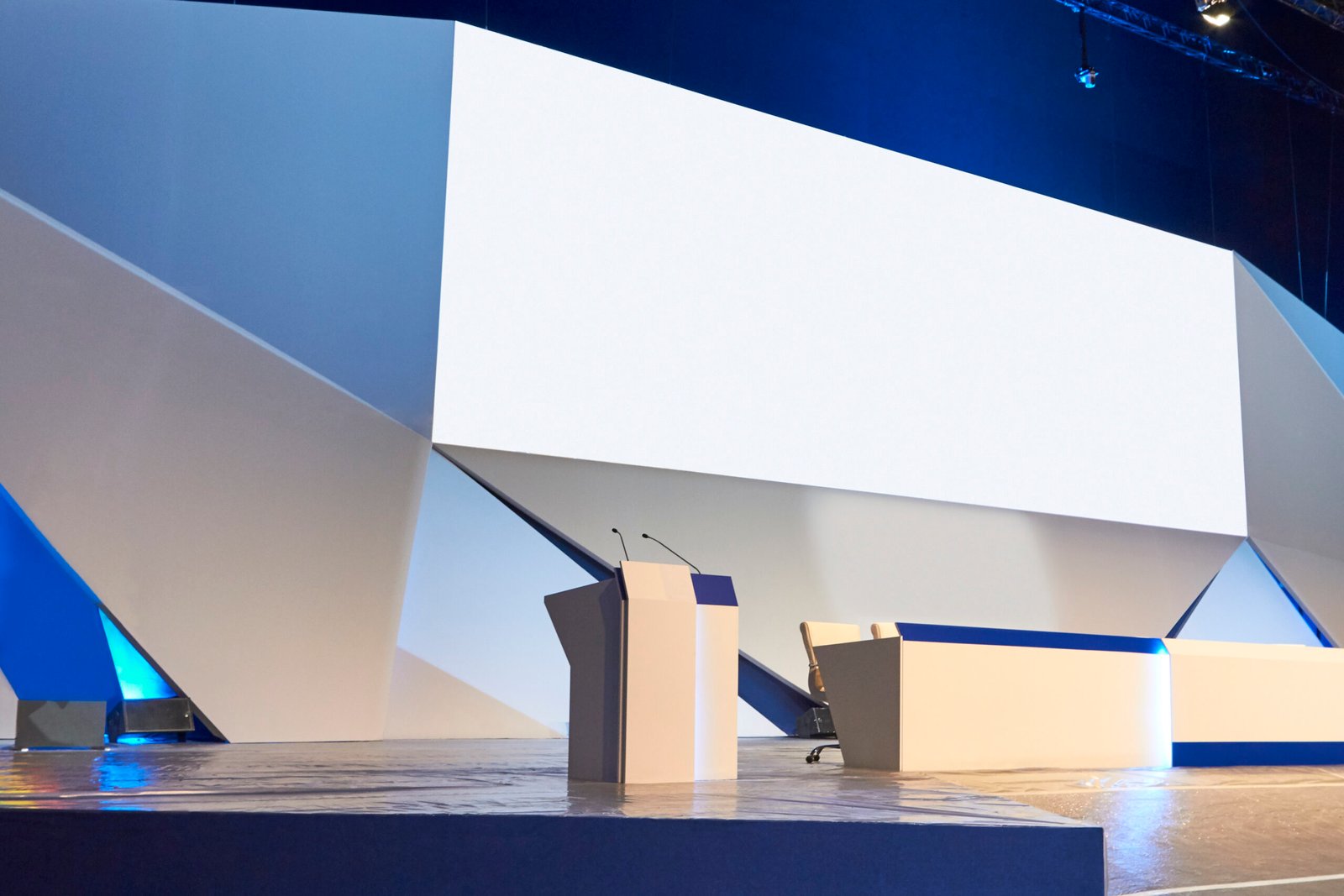
In the fast-paced, highly competitive environment of a modern convention center, the traditional approach to a trade show booth simply no longer works. The days of filling a massive space with cluttered graphics, towering but purposeless structures, and hoping the sheer size of the footprint will draw a crowd are over. Today, trade show attendees are moving faster, evaluating their options in a matter of seconds, and ruthlessly prioritizing their time.
Table Of Content
In 2026, the success of a booth is not measured by how intricate it looks in a 3D rendering, but by how efficiently it performs on the actual show floor. According to industry data, 81% of trade show attendees have buying authority. They aren’t strolling the aisles for entertainment; they are there to evaluate, compare, and make purchasing decisions. To capture this incredibly valuable audience, your tradeshow design must shift its focus entirely from mere appearance to high-level performance.
Here is how you can create a booth that not only attracts the right audience but actively converts them into qualified leads.
The New Standard of Tradeshow Design: Performance Over Appearance
The foundational rule of modern tradeshow design is that every element must serve a distinct purpose under real-world conditions. When visitors walk past your booth, they must immediately understand three things: who you are, what you offer, and why they should stop. If your design cannot answer those questions in the three seconds it takes an attendee to walk by, the opportunity is lost.
To build a space that performs, brands are rapidly shifting toward simplicity and usability. Clear sightlines, immediate messaging, and logical entry points are replacing visual overload. Here are the core design principles reshaping the show floor today:
1. Simplicity Replaces Clutter
Crowded visuals are completely ineffective in a fast-moving environment. Attendees will not stop to interpret a wall of text. Modern design dictates that information must be distilled to its absolute essence. Short, punchy headlines, crisp imagery, and distinct zones with single purposes allow an individual to grasp your value proposition instantly, without expending mental effort.
2. Digital Integration and AV Mastery
Static booths feel outdated. The most successful spaces integrate digital elements—such as LED screens, moving images, and interactive displays—to create dynamic environments. Thoughtfully integrated AV allows brands to communicate complex, multi-layered messages without physically cluttering the booth. Interactive elements also transition visitors from passive observers into active participants, significantly extending the amount of time they spend in your space.
3. Designing for Real Human Behavior
Exhibitors are paying much closer attention to the psychology of movement. Instead of forcing traffic into an unnatural layout, intelligent tradeshow design maps out where people naturally slow down, where they stop, and where they ignore completely. High-value messaging is placed squarely in natural sightlines, and premium interactive stations are positioned at organic gathering points.
4. Comfort as a Conversion Tool
Walking a trade show floor is exhausting, both physically and mentally. Savvy brands are turning their booths into oases of comfort. By incorporating comfortable seating, softer color palettes, natural wood textures, and quiet zones for deep conversation, booths become incredibly inviting. When attendees feel comfortable, they let their guard down, stay longer, and are far more open to meaningful sales conversations.
5. Flexibility and Sustainability
A major trend driving booth architecture is the need for adaptable, sustainable systems. Rather than building a “one-and-done” custom structure for a single event, exhibitors are prioritizing modular systems that can scale up or down depending on the venue. This flexibility ensures faster installation, consistent brand presentation across multiple shows, and a drastic reduction in material waste.
The Critical Link Between Design and Execution
You can conceptualize the most engaging, behavior-driven booth imaginable, but a design is only as good as its onsite execution. If the digital displays are improperly wired, the lighting is misaligned, or the modular structures are set up with visible seams and wrinkles, the entire illusion of professionalism shatters. In a high-stakes environment, poor installation destroys lead generation.
This is exactly where Willwork steps in to bridge the gap between brilliant design and flawless reality. Willwork is a premier national general contractor specializing in exhibit and event services. We understand that on the show floor, execution is the only thing that matters.
From meticulous exhibit installation and dismantling to sophisticated audio-visual setups and national labor support, Willwork delivers every operational aspect with unmatched precision. We don’t just build booths; we ensure that the physical reality of your space perfectly matches the strategic intent behind your tradeshow design. Our objective is simple: to guarantee your booth is compliant, pristine, and fully performing the minute the doors open to the public.
Conclusion
Creating a booth that attracts and converts requires a deep understanding of attendee psychology and a commitment to functional design. By simplifying your message, utilizing dynamic digital integrations, prioritizing visitor comfort, and ensuring your physical space aligns with natural traffic flow, you transform your booth into a powerful lead-generation engine.
However, turning those concepts into a physical reality requires a partner who masters the art of execution. As you plan your next major event, remember that the best designs in the world only deliver ROI when they are built right. Partner with the experts at Willwork to ensure your brand stands out, operates flawlessly, and dominates the show floor.





No Comment! Be the first one.