


Can Landlords Use the Boiler Upgrade Scheme?
If you’re a landlord looking at rising energy standards and increasing tenant expectations, you’ve probably wondered whether government support is available to help upgrade heating systems. One...

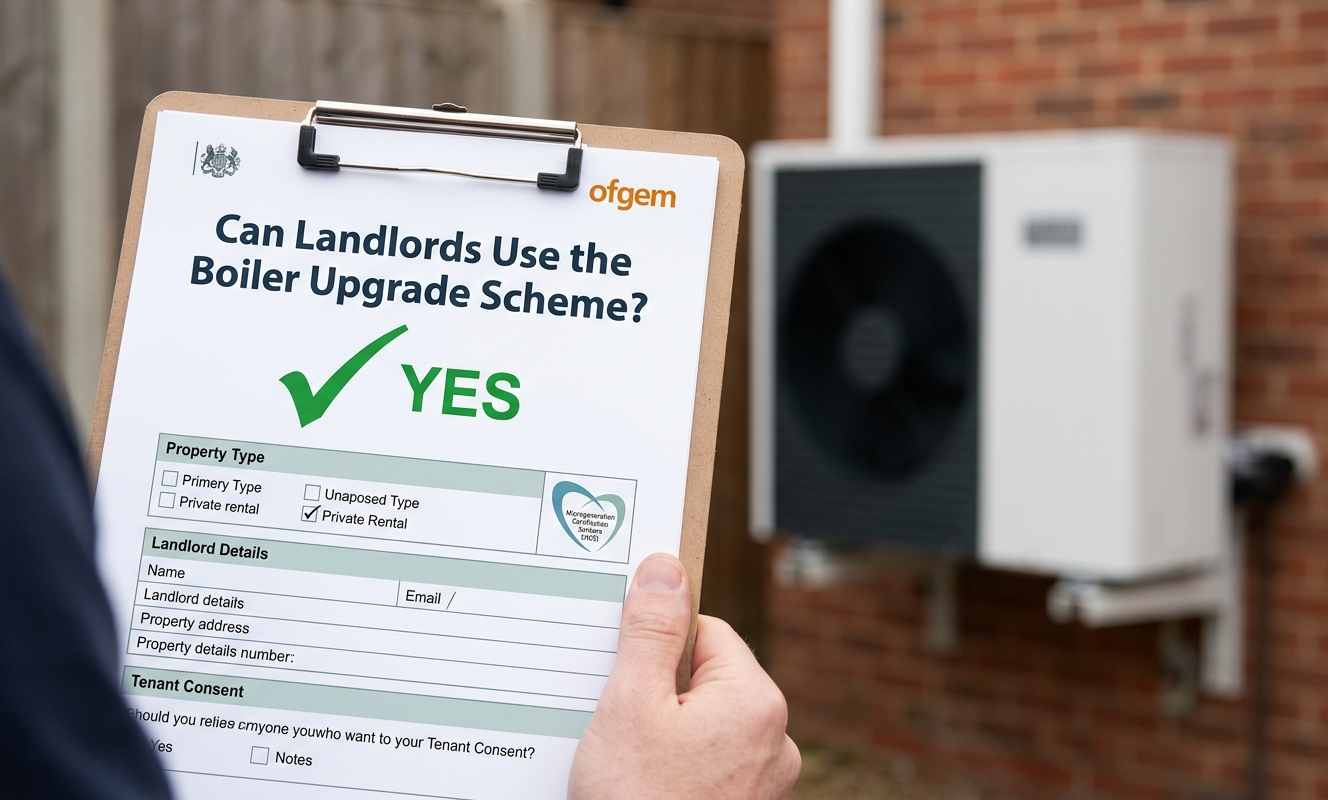
If you’re a landlord looking at rising energy standards and increasing tenant expectations, you’ve probably wondered whether government support is available to help upgrade heating systems. One common question is whether landlords can use the Boiler Upgrade Scheme (BUS).
Table Of Content
- What Is the Boiler Upgrade Scheme, in Simple Terms?
- Are Landlords Eligible to Apply?
- How the Process Works for Landlords
- Why Landlords Consider Using the Scheme
- 1. Meeting Future Energy Standards
- 2. Reducing Tenant Energy Bills
- 3. Long-Term Investment Value
- The Limitations You Should Understand
- Upfront Costs Still Exist
- Property Suitability Matters
- Not All Systems Are Covered
- Tenant Disruption
- Is It Better Than Other Support Options?
- What About Tenant Consent?
- Practical Advice Before You Decide
- Common Misunderstandings
- Final Thoughts
The short answer is yes, landlords can use it. But like most government-backed programmes, there are conditions, limitations, and practical considerations that affect whether it’s actually suitable.
Let’s walk through how it works in real terms.
What Is the Boiler Upgrade Scheme, in Simple Terms?
The Boiler Upgrade Scheme is designed to encourage property owners to move away from traditional fossil fuel heating systems. Instead of replacing like-for-like boilers, the scheme supports low-carbon alternatives such as:
- Air source heat pumps
- Ground source heat pumps
- Biomass boilers (in certain cases)
Rather than covering the full cost, it provides a grant that reduces the upfront expense of installing these systems.
The key aim is long-term: lower carbon emissions and more energy-efficient homes.
Are Landlords Eligible to Apply?
Yes, landlords are eligible, but not automatically in every situation.
To qualify, you generally need to meet these conditions:
- You must own the property (including rental properties)
- The installation must replace an existing fossil fuel system
- The property must have a valid Energy Performance Certificate (EPC)
- In most cases, the property should not be a new build
So, if you own a rental property with an older gas or oil boiler, you may be able to apply through an approved installer.
How the Process Works for Landlords
One point that often confuses people: landlords don’t usually apply directly.
Instead, the process typically works like this:
- You contact a certified installer
- The installer assesses your property and confirms eligibility
- They apply for the grant on your behalf
- The grant amount is deducted from the installation cost
This setup reduces administrative work, but it also means you rely heavily on the installer’s guidance.
Why Landlords Consider Using the Scheme
From a landlord’s perspective, the decision is rarely just about environmental benefits. It’s usually driven by practical and financial factors.
Here’s why some landlords explore this option:
1. Meeting Future Energy Standards
Energy regulations for rental properties are gradually tightening. Improving your heating system can help you stay compliant and avoid future restrictions.
2. Reducing Tenant Energy Bills
Lower running costs make a property more attractive. Tenants are increasingly aware of energy efficiency, especially with rising fuel prices.
3. Long-Term Investment Value
Installing a low-carbon system may improve your property’s appeal over time, particularly as the housing market shifts toward greener homes.
The Limitations You Should Understand
While the scheme sounds appealing, it’s not always the right fit for every rental property.
Upfront Costs Still Exist
Even with the grant, heat pumps and similar systems can be expensive to install. The remaining cost may still be significant.
Property Suitability Matters
Heat pumps work best in well-insulated homes. If your property has poor insulation, you may need additional upgrades first.
Not All Systems Are Covered
The scheme does not support replacing a boiler with another gas boiler. It focuses only on low-carbon alternatives.
Tenant Disruption
Installation can take longer and may require changes inside the property. This can be inconvenient if the property is occupied.
Is It Better Than Other Support Options?
Not necessarily. It depends on your situation.
Other schemes, such as those targeting low-income households or energy efficiency improvements, may be more suitable in some cases. These can sometimes offer full or partial funding for traditional heating upgrades.
For landlords, the choice often comes down to:
- Budget
- Property condition
- Long-term plans for the property
Comparing options before committing is always a sensible step.
What About Tenant Consent?
Although you own the property, tenants still live in it. That makes communication important.
You should:
- Inform tenants about planned upgrades
- Agree on installation timing
- Explain potential benefits, like lower energy bills
In most cases, cooperation makes the process smoother and avoids unnecessary disputes.
Practical Advice Before You Decide
If you’re considering using the scheme for a rental property, take a step back and assess the bigger picture.
Start with these steps:
- Check your EPC rating – this gives you a baseline
- Review insulation levels – upgrading insulation may be more effective first
- Get multiple installer quotes – costs and advice can vary
- Think long-term – consider how long you plan to keep the property
Making a decision based on both current costs and future expectations will help you avoid regret later.
Common Misunderstandings
A few assumptions tend to cause confusion:
- “The scheme covers everything.”
It reduces costs, but you still pay a portion - “It’s suitable for every rental property.”
Some homes simply aren’t ideal for heat pumps - “Tenants will automatically benefit.”
Benefits depend on how well the system matches the property
Clearing up these points can save time and prevent unrealistic expectations.
Final Thoughts
Landlords can use the Boiler Upgrade Scheme, but that doesn’t mean it’s always the best route. It works well in certain situations, especially where properties are already energy-efficient or where long-term sustainability is a priority.
At the same time, the costs, property requirements, and practical challenges mean it’s not a one-size-fits-all solution, and in some cases, alternatives like the oil boiler replacement grant may be worth considering.
If you approach it carefully, by assessing your property, understanding the limits, and planning ahead, you’ll be in a much stronger position to decide whether it’s worth pursuing.







No Comment! Be the first one.