


Why an Efficient Pasta Production Line Can Improve Cash Flow for Growing Food Businesses
When people talk about food manufacturing growth, they usually focus on sales. More distributors, more retail stores, bigger monthly orders — all of that sounds great. But honestly, growth is not...

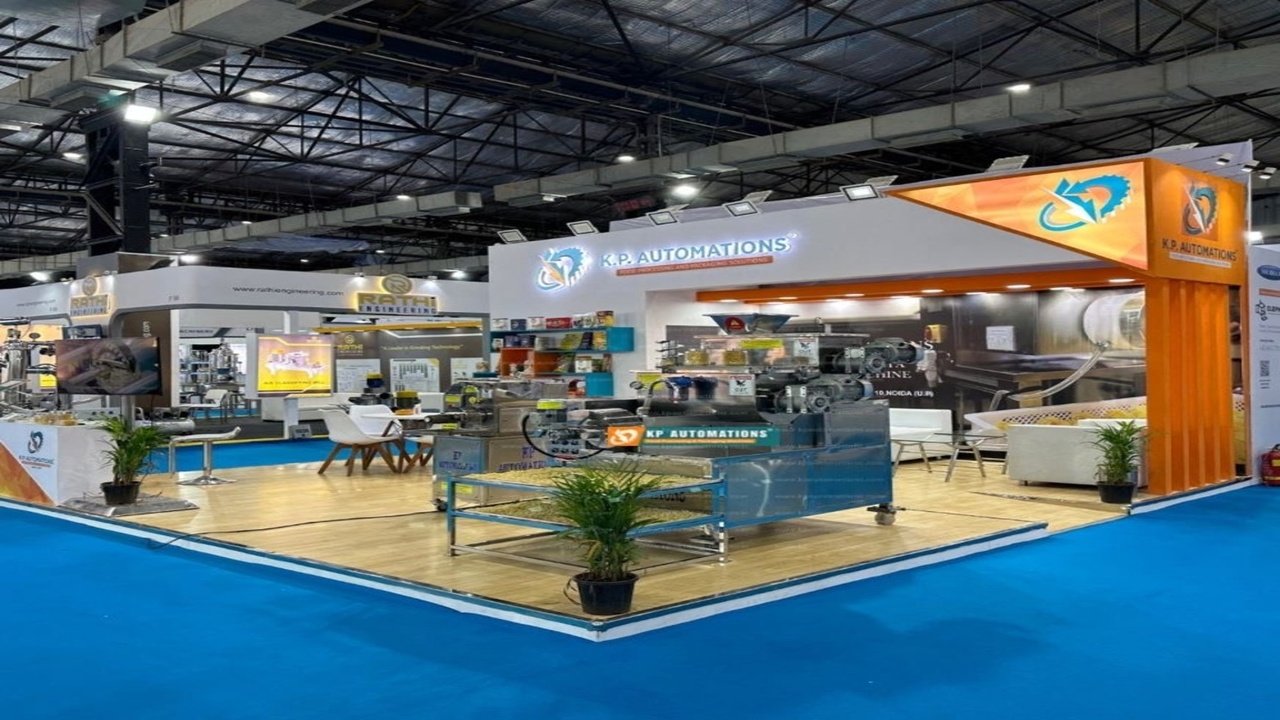
When people talk about food manufacturing growth, they usually focus on sales.
More distributors, more retail stores, bigger monthly orders — all of that sounds great.
But honestly, growth is not only about how much you sell.
A lot of businesses struggle not because demand is low, but because cash flow starts getting tight.
Money gets stuck in raw materials, delayed dispatches, rejected stock, and slow production cycles.
This is exactly where an efficient pasta production line starts making a much bigger business difference than most people initially think.
Because at the end of the day, faster and smoother production often means faster movement of money.
The first place this becomes visible is production turnaround time.
A slow or unstable pasta machine can stretch the time between raw material purchase and finished goods dispatch.
That means your capital stays locked for longer.
Flour, additives, packaging materials, labor cost, and electricity are already spent, but the finished product has still not reached the buyer.
An efficient production line shortens this cycle.
The faster the product moves from manufacturing to dispatch, the faster invoices can be raised and payments can start coming in.
And honestly, that directly improves working capital flow.
The extrusion stage plays a major role here.
A dependable pasta extrusion machine helps maintain continuous output without frequent stoppages.
When the line keeps running smoothly, daily production targets are easier to achieve.
This means orders can be completed faster and moved into dispatch without delay.
Even a few hours saved per shift can make a noticeable difference over the month.
The drying stage is another key point.
A weak pasta drying system often slows down the overall process.
Even if extrusion is fast, drying delays can create bottlenecks.
This means finished goods are not ready for packing on time.
A strong industrial pasta dryer helps keep the product flow balanced, reducing wait time between stages.
That smoother movement helps stock reach the market faster.
One thing worth noticing is how efficiency reduces inventory pile-up.
When production is slow or inconsistent, partially finished goods start occupying floor space.
This ties up raw materials and delays conversion into saleable stock.
A well-planned industrial pasta making machine setup helps keep the workflow moving, which reduces unnecessary stock holding inside the facility.
And honestly, less stock sitting idle means better use of business capital.
The packaging section directly affects cash flow too.
A slow pasta packing machine can delay dispatch even after the product is ready.
This often creates a frustrating gap between production completion and actual shipment.
A more efficient packing setup helps orders move out faster, which means invoices are generated sooner.
For growing businesses, even a few days faster in billing cycles can significantly improve monthly cash flow.
Another major factor is wastage control.
Rejected stock, broken pieces, and inconsistent batches all lock money into non-saleable inventory.
A smoother automatic pasta making machine setup reduces rejection and helps convert a higher percentage of raw material into finished product.
This directly improves gross margin and working capital efficiency.
A lot of businesses initially focus only on the pasta making machine price.
That’s understandable because machinery investment feels like a major expense.
But if you ask me, the better way to look at it is through cash cycle improvement.
A slightly better machine that helps faster dispatch and lower rejection can often improve cash flow much more than its initial cost difference.
Another point that often gets overlooked is buyer payment cycles.
Most distributors and retailers work on payment terms.
That means the faster you dispatch, the earlier the payment cycle starts.
If your pasta production line helps you deliver two or three days sooner, that can accelerate payment realization every month.
Over time, this creates a healthier financial position.
A lot of growing manufacturers around G.B D-372, D Block, Sector 10, Noida, Uttar Pradesh 201301 are now evaluating machinery from this financial efficiency angle.
They are not only asking how much output the machine gives.
They are asking how quickly it helps convert raw material into cash.
Because honestly, strong sales without healthy cash flow can still create business stress.
At the end of the day, an efficient pasta production line does much more than increase output.
It shortens production cycles, reduces stock holding, supports faster dispatch, lowers rejection, and improves billing speed.
And for any growing food business, that stronger cash flow can make expansion much smoother and far less stressful.







No Comment! Be the first one.