


Botox Bump on Forehead: Causes, Timeline & What to Do
Noticing a bump on your forehead after getting Botox can feel alarming, especially if you expected perfectly smooth skin. The good news is that most forehead bumps after Botox are normal and...

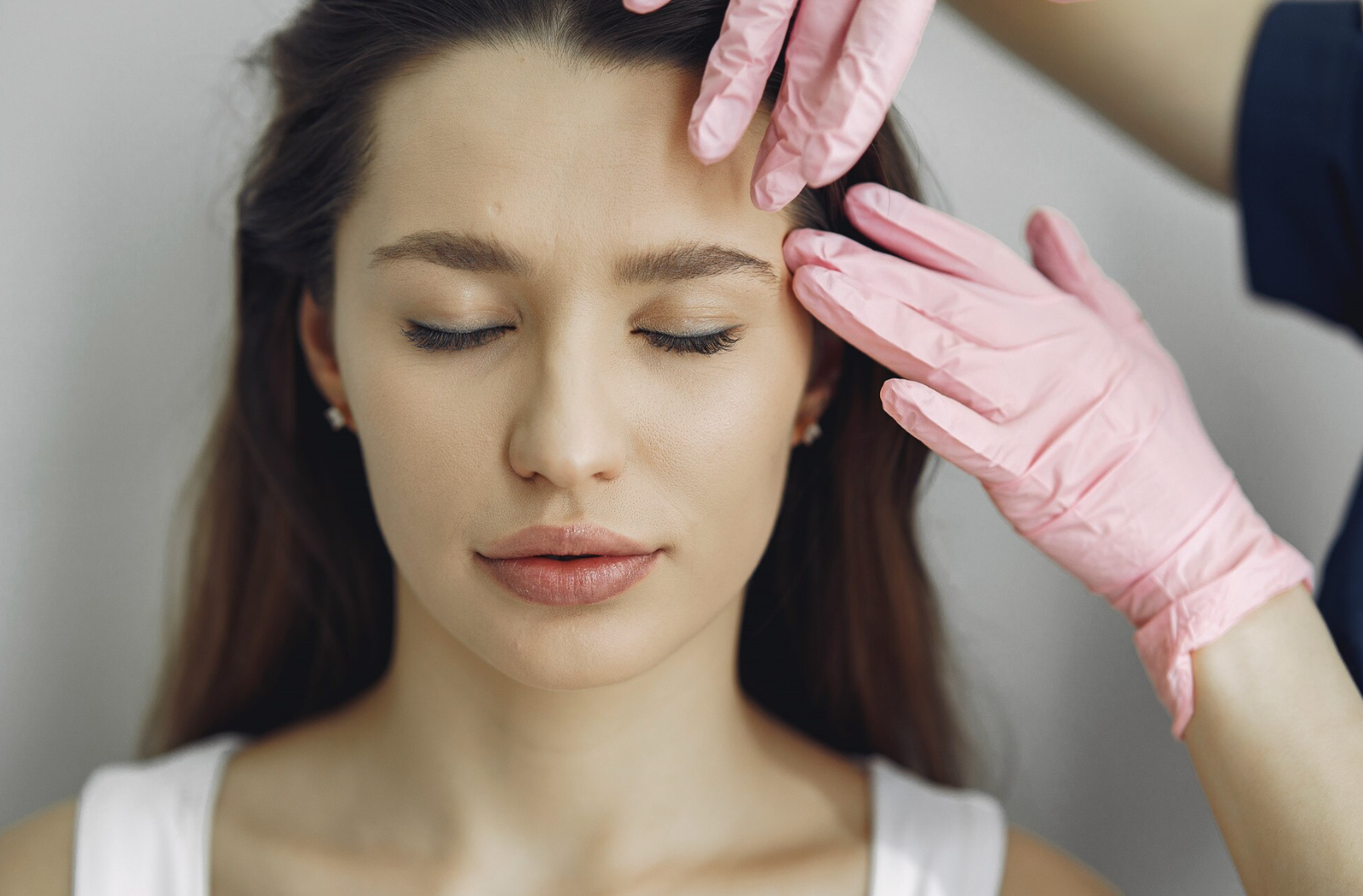
Noticing a bump on your forehead after getting Botox can feel alarming, especially if you expected perfectly smooth skin. The good news is that most forehead bumps after Botox are normal and temporary. In this guide, you’ll learn why they happen, how long they last, and when you should be concerned.
Table Of Content
- Are Forehead Bumps After Botox Normal?
- Typical behavior
- Why Do You Get a Botox Bump on the Forehead?
- 1. Injection-Site Swelling
- What happens
- Result
- 2. Delayed Skin Reaction
- Symptoms
- 3. Product Sitting Under the Skin
- Early stage
- 4. Touching or Pressure After Treatment
- Causes
- 5. Minor Bruising or Fluid Build-Up
- Result
- 6. Nodules (Uncommon)
- Characteristics
- 7. Infection (Very Rare)
- Warning signs
- How Long Do Botox Forehead Bumps Last?
- General timeline
- Will the Bump Affect Your Results?
- What Should You Do?
- 1. Wait and Observe
- 2. Avoid Touching the Area
- 3. Use a Cold Compress
- 4. Stay Upright
- 5. Follow Aftercare Instructions
- When Should You Be Concerned?
- How to Prevent Forehead Bumps Next Time
- Choose an Experienced Injector
- Follow Aftercare Strictly
- Avoid Blood Thinners (if approved)
- Inform Your Provider
- Final Thoughts
Are Forehead Bumps After Botox Normal?
Yes—small bumps at the injection site are very common right after treatment. They usually look like tiny raised spots (similar to mosquito bites).
Typical behavior:
- Appear immediately after injections
- Caused by fluid under the skin and needle entry
- Disappear within 30 minutes to a few hours
However, if a bump appears later or lasts longer, there may be other reasons.
Why Do You Get a Botox Bump on the Forehead?
There are several possible causes, and most are harmless.
1. Injection-Site Swelling
This is the most common reason.
What happens:
- The skin reacts to the needle
- Small amount of fluid collects under the skin
- Mild inflammation occurs
Result:
- Soft, raised bump
- Slight redness or tenderness
This usually settles quickly.
2. Delayed Skin Reaction
Some people develop a reaction 1–3 days later.
Symptoms:
- Small bumps
- Mild swelling
- Slight itching or sensitivity
This is more common in sensitive skin and usually resolves on its own.
3. Product Sitting Under the Skin
Botox takes time to spread and bind to muscles.
Early stage:
- You may feel small uneven areas
- Looks like slight bumps
As Botox settles (within 7–14 days), these usually smooth out.
4. Touching or Pressure After Treatment
Post-treatment habits matter a lot.
Causes:
- Rubbing or massaging the forehead
- Sleeping face-down
- Wearing tight headgear
This can irritate the area or shift the product slightly, causing bumps.
5. Minor Bruising or Fluid Build-Up
Tiny blood vessels can be affected during injections.
Result:
- Swelling
- Slight lump-like feeling
- Sometimes light bruising
Even without visible bruises, internal swelling can feel like a bump.
6. Nodules (Uncommon)
Rarely, small firm lumps (nodules) can form.
Characteristics:
- Firm to touch
- Last longer than typical swelling
These usually resolve but may need medical evaluation.
7. Infection (Very Rare)
Although uncommon, infection is important to recognize.
Warning signs:
- Increasing pain
- Warmth and redness
- Pus or discharge
- Fever
If you notice these, seek medical help immediately.
How Long Do Botox Forehead Bumps Last?
The duration depends on the cause.
General timeline:
- Immediate swelling: a few hours
- Mild bumps: 2–5 days
- Small lumps: up to 1–2 weeks
- Full Botox results: 10–14 days
Most bumps go away on their own as your skin heals.
Will the Bump Affect Your Results?
In most cases, no.
Botox works beneath the skin by relaxing muscles. Even if you feel or see a bump:
- The product is still effective
- Final results will appear as expected
Once everything settles, your forehead should look smooth.
What Should You Do?
If the bump is mild and not painful, simple care is enough.
1. Wait and Observe
Give your body time—Botox needs up to 2 weeks to fully settle.
2. Avoid Touching the Area
Do not press or massage the bump, as it may worsen irritation.
3. Use a Cold Compress
Apply gently for a few minutes to reduce swelling.
4. Stay Upright
Avoid lying flat or putting pressure on your forehead right after treatment.
5. Follow Aftercare Instructions
Avoid heat, alcohol, and heavy exercise for at least 24 hours.
When Should You Be Concerned?
Contact your provider if:
- The bump lasts more than 7–10 days
- It becomes larger or painful
- Redness spreads
- You notice signs of infection
- The area feels hard or unusual
It’s always better to get checked if something doesn’t feel right.
How to Prevent Forehead Bumps Next Time
Choose an Experienced Injector
Proper technique reduces side effects.
Follow Aftercare Strictly
Avoid touching, rubbing, or putting pressure on the area.
Avoid Blood Thinners (if approved)
Alcohol and certain medications can increase bruising.
Inform Your Provider
If you had bumps before, they can adjust your treatment plan.
Final Thoughts
A Botox bump on the forehead is usually a normal and temporary reaction. Whether it’s mild swelling, a delayed response, or how the product settles, most cases resolve within a few days.
Botox remains a safe and effective treatment, and small bumps are generally part of the healing process—not a sign that something went wrong.
If you’re ever unsure, a quick check with your provider can give you peace of mind and ensure everything is progressing as expected.







No Comment! Be the first one.