


Your Machines Are Running Hot… But Your Energy Bill Doesn’t Have To
Step into any modern factory and you’ll find a constant exchange of energy—heat being generated, used, and often… lost. It’s not dramatic, it’s not loud, but it’s happening every second. Processes...

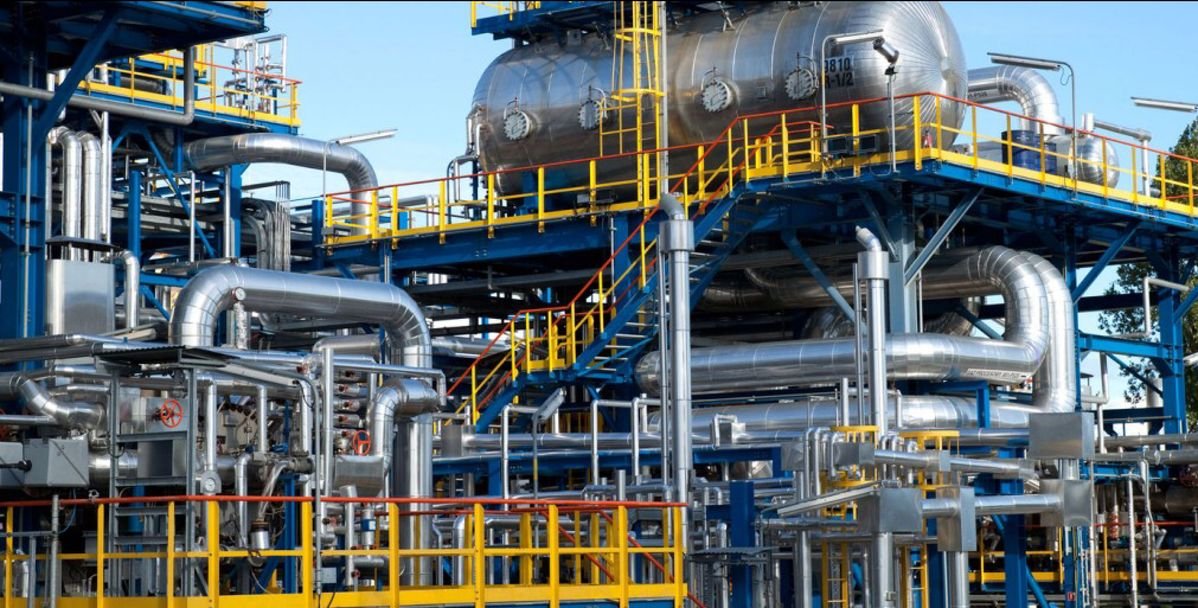
Step into any modern factory and you’ll find a constant exchange of energy—heat being generated, used, and often… lost. It’s not dramatic, it’s not loud, but it’s happening every second. Processes involving an industrial oven, a paint booth, or even a thermal oxidizer quietly release heat into the air like it’s no big deal.
Table Of Content
- Waste Heat Is Not “Waste”—It’s Misplaced Opportunity
- When Equipment Starts Working Smarter, Not Harder
- The Role of the Thermal Oxidizer: More Than Just Emissions Control
- Thermal Cleaning Solutions: Precision Meets Practicality
- Paint Booths and the Art of Controlled Environments
- Why 2026 Is Leaning Toward Energy Intelligence
- The Real-World Impact: Small Changes, Big Results
- Interactive Section: Let’s Talk About What You’re Wondering
- Final Thought: Stop Letting Good Energy Go to Waste
But here’s the reality: that “extra” heat is rarely extra. It’s energy you’ve already paid for.
This is where heat recovery systems begin to feel less like an upgrade and more like common sense. Instead of letting valuable thermal energy disappear into exhaust stacks or ventilation systems, industries are now learning how to keep that energy working a little longer.
Waste Heat Is Not “Waste”—It’s Misplaced Opportunity
Hook: Imagine throwing away half your groceries and then complaining about food costs.
The term waste heat recovery systems might sound technical, but the idea behind it is refreshingly simple: capture heat that would otherwise be lost, and reuse it somewhere else in your process.
In high-temperature environments, such as those involving thermal cleaning equipment or a thermal oxidizer, significant heat is generated as a byproduct. Traditionally, this heat exits the system unused. But with proper recovery systems in place, that same heat can preheat incoming air, support secondary processes, or reduce the need for additional fuel.
The result? Lower operational costs, improved efficiency, and a more sustainable approach to industrial production.
And perhaps most importantly—it reduces the uncomfortable feeling that your system is working harder than it needs to.
When Equipment Starts Working Smarter, Not Harder
Hook: Efficiency isn’t about doing more—it’s about wasting less.
Let’s talk about synergy. Industrial environments are filled with specialized equipment—each designed for a specific purpose. But when these systems operate in isolation, opportunities are missed.
Take an industrial oven, for example. It generates a consistent amount of heat during operation. Without recovery, much of that heat escapes. But when integrated with heat recovery systems, that same energy can be redirected to support upstream or downstream processes.
Similarly, in a paint booth, where airflow and temperature control are critical, recovered heat can be used to maintain optimal curing conditions without additional energy input.
Thermal cleaning equipment also benefits significantly. These systems rely on high temperatures to remove residues, coatings, or contaminants. By incorporating thermal cleaning solutions that include recovery components, facilities can reuse excess heat, reducing fuel consumption while maintaining performance.
The takeaway? Efficiency grows when systems stop working in silos.
The Role of the Thermal Oxidizer: More Than Just Emissions Control
Hook: It’s not just about cleaning the air—it’s about what you do with the heat afterward.
A thermal oxidizer is often installed to manage emissions, breaking down volatile organic compounds and hazardous gases at high temperatures. Its primary function is environmental compliance, but its secondary potential is often overlooked.
Because it operates at elevated temperatures, it naturally becomes a prime candidate for integration with waste heat recovery systems. Instead of releasing that heat into the atmosphere, facilities can capture it and channel it back into operations.
This creates a dual benefit: cleaner emissions and improved energy efficiency.
In many ways, the thermal oxidizer becomes a bridge between environmental responsibility and operational intelligence.
Thermal Cleaning Solutions: Precision Meets Practicality
Hook: Cleaning isn’t just about removing—it’s about preserving efficiency.
Thermal cleaning solutions are widely used in industries where precision and cleanliness are non-negotiable. Whether it’s removing polymer residues or stripping coatings from metal parts, these processes rely heavily on controlled heat application.
However, they also produce excess heat—heat that can be recovered and reused.
Modern thermal cleaning equipment is increasingly designed with integrated recovery features. This means that while the system performs its cleaning function, it simultaneously contributes to overall energy optimization.
It’s a subtle shift in design philosophy: from single-purpose machinery to multi-functional efficiency systems.
And it reflects a broader trend in industrial technology—doing more with what you already have.
Paint Booths and the Art of Controlled Environments
Hook: Perfect finishes require more than just good paint—they need smart temperature control.
A paint booth might seem like a straightforward setup, but it’s actually one of the most energy-sensitive environments in manufacturing. Airflow, humidity, and temperature must be tightly controlled to achieve consistent finishes.
The only way to keep these required conditions is to supply some kind of energy (usually in the form of warm air). This is where introducing heat recovery systems can be seen to benefit.By not having to warm the incoming fresh air from a low temperature all the time, the transferred heat can pre-condition the air, thus reducing the fan and heater energy required without sacrificing quality.
Why 2026 Is Leaning Toward Energy Intelligence
Hook: Efficiency is no longer optional—it’s expected.
Industrial operations are evolving. The focus is shifting from simply producing output to optimizing every aspect of the process. Energy usage is under scrutiny, not just from a cost perspective, but from a sustainability standpoint.
Waste heat recovery systems are becoming part of this shift. They align with broader goals—reducing emissions, lowering operational costs, and improving system longevity.
What makes this trend particularly relevant in 2026 is the integration of smarter monitoring tools. Facilities are now able to track heat flows, measure recovery efficiency, and adjust systems in real time.
This level of insight turns heat recovery from a passive feature into an active strategy.
The Real-World Impact: Small Changes, Big Results
Hook: Sometimes the biggest improvements come from what you stop wasting.
Implementing heat recovery systems doesn’t always require a complete overhaul. In many cases, it’s about retrofitting existing equipment or making targeted upgrades.
For example:
- Adding recovery units to an industrial oven can significantly reduce fuel consumption
- Integrating recovery with a thermal oxidizer can lower overall energy demand
- Enhancing thermal cleaning equipment with recovery features can improve both efficiency and throughput
These changes may seem incremental, but their cumulative impact is substantial.
Facilities often report noticeable reductions in energy bills, improved process stability, and a stronger alignment with environmental goals.
Interactive Section: Let’s Talk About What You’re Wondering
Q1: Is heat recovery only useful for large-scale factories?
Not at all. While large facilities benefit significantly, smaller operations can also see meaningful improvements. The key is identifying where heat is being lost and whether it can be reused effectively.
Q2: Does adding waste heat recovery systems complicate operations?
Modern systems are designed to integrate smoothly with existing equipment. In many cases, they operate in the background with minimal manual intervention.
Q3: How do I know if my equipment is suitable for heat recovery?
Start by evaluating processes that involve high temperatures—such as industrial ovens, paint booths, or thermal cleaning equipment. These are typically strong candidates.
Q4: Is it expensive to implement thermal cleaning solutions with recovery features?
Costs vary depending on the setup, but many facilities find that the long-term energy savings outweigh the initial investment.
Q5: Will this affect product quality?
When properly implemented, heat recovery systems enhance consistency rather than compromise it. Stable temperatures often lead to better process control.
Final Thought: Stop Letting Good Energy Go to Waste
Hook: Efficiency isn’t about chasing more—it’s about keeping what you already have.
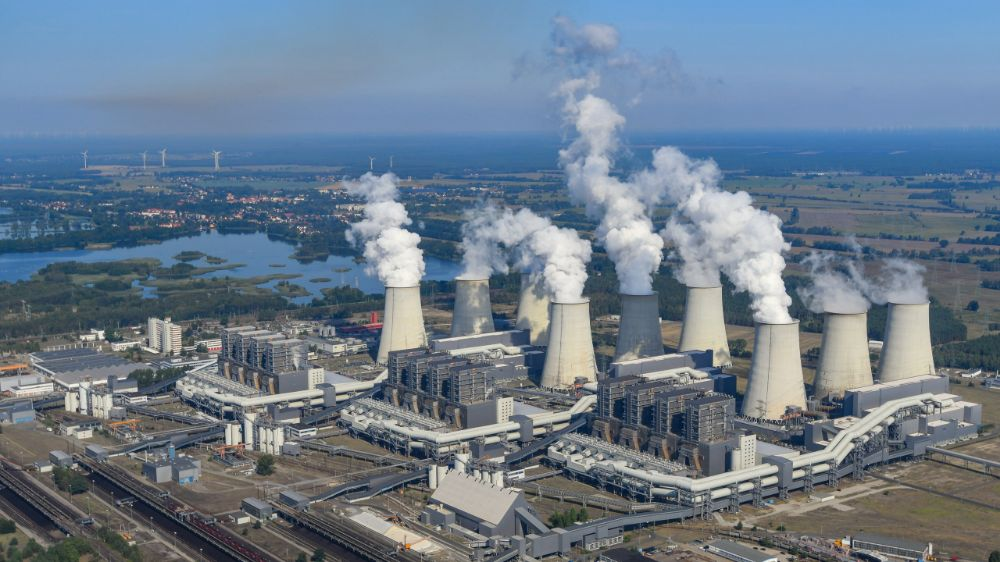
Industrial environments are full of untapped potential. Heat that escapes unnoticed could be the key to improving efficiency, reducing costs, and building more sustainable operations.
From thermal cleaning solutions to paint booth optimization, from industrial oven enhancements to smarter use of a thermal oxidizer—every system has a role to play.
The question isn’t whether heat recovery systems are useful.
It’s whether you’re ready to stop ignoring the energy your machines are already giving you



No Comment! Be the first one.