


Smart Flooring Choices for Homes and Businesses in New York Today
Quality flooring shapes how a space looks, feels, and performs every day. In a city as demanding as New York City, flooring in homes, offices, retail spaces, and apartment buildings must balance...

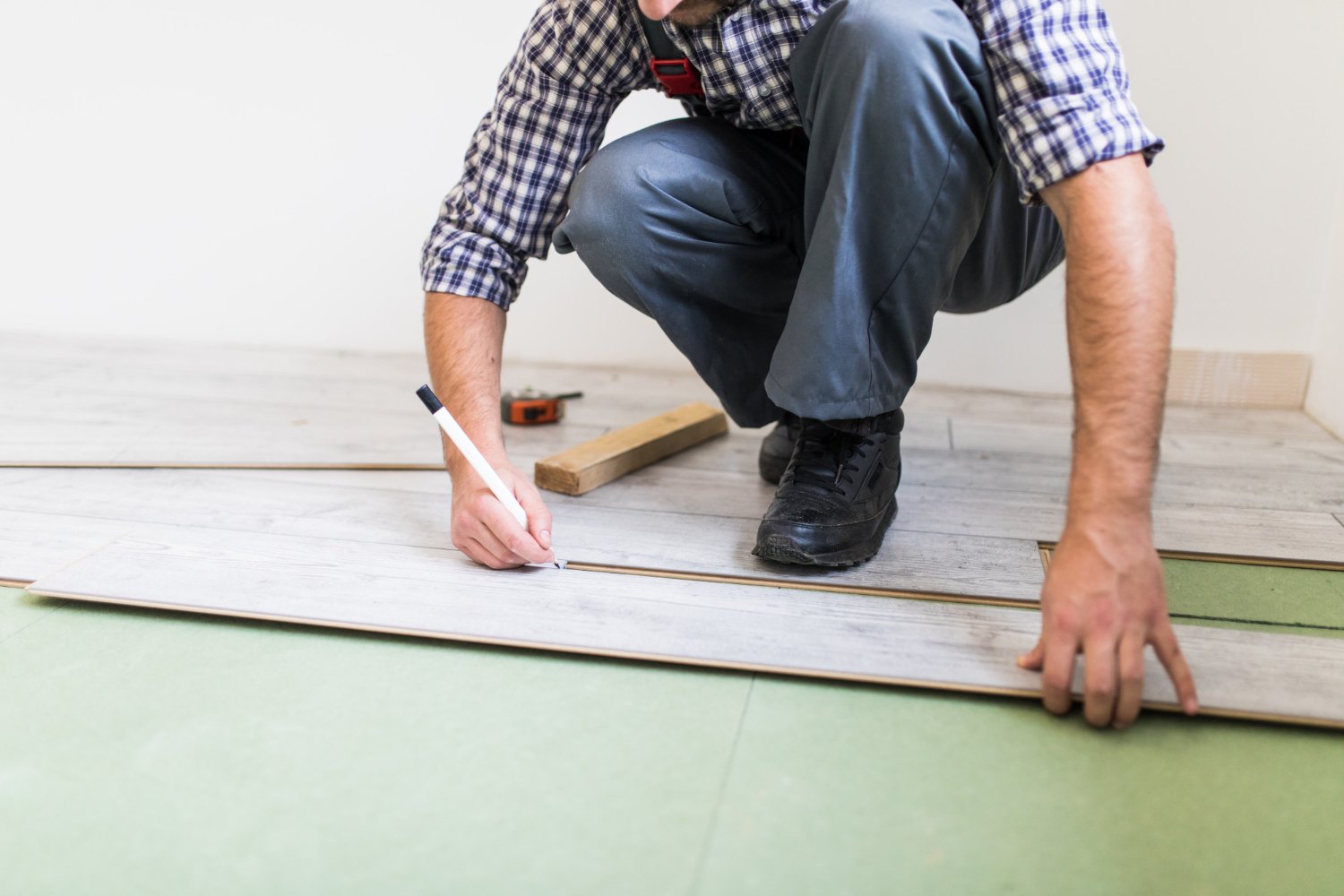
Quality flooring shapes how a space looks, feels, and performs every day. In a city as demanding as New York City, flooring in homes, offices, retail spaces, and apartment buildings must balance appearance with durability. From busy commercial entrances to family living rooms, the right material can improve comfort, simplify maintenance, and support long-term value.
Table Of Content
- Overview of Flooring Contracting Services in New York
- What to Look for in a Flooring Contractor
- Vinyl Tile and Vinyl Floor Installation
- Benefits of Vinyl Flooring
- The Installation Process
- Residential Carpet Flooring Solutions
- Types of Carpets for Homes
- Installation Tips for Longevity
- FAQ
- What flooring option is best for high-traffic areas?
- Is vinyl flooring suitable for residential use?
- How much does professional flooring installation cost in New York?
- Which lasts longer: carpet or vinyl flooring?
- How should new flooring be maintained?
- Do professional flooring contractors offer warranties?
- Conclusion
A professional flooring contractor helps property owners make informed choices based on traffic levels, budget, style, and installation requirements. Whether you are considering vinyl tile, vinyl floors, or residential carpet flooring, understanding your options can make the entire project smoother and more cost-effective.

Overview of Flooring Contracting Services in New York
Flooring contracting services in New York cover much more than simply laying down materials. A skilled flooring contractor evaluates subfloor conditions, measures the space accurately, recommends suitable materials, and manages the installation process from start to finish.
New York properties often present unique challenges. Older buildings may have uneven subfloors, limited elevator access, or tight installation schedules. In commercial settings, flooring projects often need to be completed with minimal disruption to business operations. Residential projects, on the other hand, usually focus on comfort, design consistency, and long-term wear.
Professional flooring services commonly include:
- Site inspection and material consultation
- Removal of old flooring
- Surface preparation and leveling
- Installation of vinyl tile, vinyl floor systems, or carpet
- Finishing details such as trim work and transitions
Working with experienced flooring installers helps reduce the risk of premature wear, uneven finishes, or installation errors that can lead to future repairs.
What to Look for in a Flooring Contractor
Choosing the right flooring contractor is one of the most important parts of the project.
Start by looking for experience with the specific flooring type you need. Vinyl tile installation requires precision in layout and seam alignment, while carpet installation depends heavily on stretching, padding, and edge finishing.
A reliable contractor should also provide:
- Clear written estimates
- Realistic timelines
- Knowledge of local building conditions
- Guidance on maintenance expectations
- A workmanship warranty
Communication matters just as much as technical skill. Good contractors explain the process, answer practical questions, and help clients understand what to expect before installation begins.
Vinyl Tile and Vinyl Floor Installation
Vinyl flooring remains one of the most practical choices for both residential and commercial interiors in New York. It combines durability, design flexibility, and relatively straightforward maintenance.
Today’s vinyl tile and vinyl floor products come in a wide range of finishes. Many options closely resemble hardwood, stone, or ceramic, making them attractive for clients who want a polished appearance without the upkeep or cost associated with natural materials.
Vinyl flooring performs especially well in areas that experience regular foot traffic or occasional moisture exposure. Kitchens, hallways, offices, retail spaces, and rental properties often benefit from this type of flooring.
Benefits of Vinyl Flooring
One of the biggest reasons vinyl flooring remains popular is its balance of performance and affordability.
Durability:
Vinyl flooring resists scratches, scuffs, and daily wear better than many traditional surfaces.
Water resistance:
Many vinyl tile and vinyl plank products handle moisture well, making them suitable for kitchens, entryways, and utility areas.
Easy maintenance:
Routine sweeping and occasional mopping are usually enough to keep the floor looking clean.
Design flexibility:
Modern vinyl flooring offers a wide selection of colors, patterns, and textures. Property owners can achieve classic or contemporary styles without sacrificing practicality.
Comfort underfoot:
Compared with stone or ceramic, vinyl tends to feel warmer and slightly softer, which can improve comfort in living spaces.
For homeowners and businesses alike, vinyl flooring often delivers strong everyday performance without demanding intensive upkeep.
The Installation Process
Proper vinyl floor installation starts long before the first plank or tile is placed.
First, the existing surface must be inspected. Any unevenness, cracks, or moisture issues need to be addressed. Even high-quality vinyl can fail prematurely if the subfloor is not properly prepared.
The installation process generally includes:
- Measuring and planning the layout
- Preparing and leveling the subfloor
- Acclimating the material if required
- Installing tiles or planks carefully to maintain alignment
- Finishing edges, trims, and transitions
Precision matters. Poorly installed vinyl can develop gaps, lifting edges, or visible pattern inconsistencies. Professional flooring installers help ensure a cleaner finish and better long-term performance.
Residential Carpet Flooring Solutions
Carpet remains a preferred flooring option for many homes because of its warmth, comfort, and sound absorption. In apartments, family homes, and bedrooms, residential carpet flooring creates a softer and quieter environment.
In a city where multi-unit living is common, carpet can also help reduce noise transfer between rooms and floors. This makes it especially appealing for bedrooms, hallways, and upper-level living spaces.
Types of Carpets for Homes
Different carpet styles serve different household needs.
Plush carpet offers a smooth, formal appearance and works well in bedrooms or lower-traffic rooms.
Textured carpet helps hide footprints and everyday wear, making it practical for family living areas.
Loop pile carpet is known for durability and often performs well in hallways or active spaces.
Patterned carpet combines visual interest with practical performance, especially where style and wear resistance both matter.
When selecting residential carpet flooring, consider household habits. Homes with children, pets, or frequent guests often benefit from more resilient carpet constructions and stain-resistant fibers.
Installation Tips for Longevity
Carpet lifespan depends heavily on proper installation.
The quality of the padding underneath is just as important as the carpet itself. Good padding improves comfort, supports wear resistance, and helps preserve appearance over time.
A few practical recommendations include:
- Choose padding appropriate for the carpet type
- Ensure seams are placed carefully and discreetly
- Have carpet stretched properly during installation
- Vacuum regularly to prevent dirt buildup
- Address spills promptly to reduce staining
When carpet is installed correctly, it tends to maintain its appearance and comfort much longer.
FAQ
What flooring option is best for high-traffic areas?
Vinyl tile and vinyl floors are often excellent choices for high-traffic spaces because they resist wear, are easy to clean, and maintain their appearance well.
Is vinyl flooring suitable for residential use?
Yes. Vinyl flooring works well in homes, especially in kitchens, hallways, entryways, and living spaces where durability and easy maintenance are priorities.
How much does professional flooring installation cost in New York?
Costs vary based on material type, project size, subfloor condition, and installation complexity. A site inspection usually provides the most accurate estimate.
Which lasts longer: carpet or vinyl flooring?
In high-traffic areas, vinyl flooring generally lasts longer. Carpet can still offer strong longevity when properly selected, installed, and maintained.
How should new flooring be maintained?
Routine cleaning, prompt spill removal, and following manufacturer care instructions help preserve the flooring’s appearance and performance.
Do professional flooring contractors offer warranties?
Most reputable flooring contractors offer workmanship warranties, while flooring materials may also include manufacturer warranties.
Conclusion
Choosing flooring in New York is about more than appearance. It involves balancing durability, comfort, maintenance needs, and long-term value.
A professional flooring contractor helps homeowners and businesses evaluate these factors carefully. Vinyl tile and vinyl floors offer practical durability and design flexibility, while residential carpet flooring provides warmth, comfort, and sound control.
Whether you are updating a single room, renovating an apartment, or improving a commercial interior, working with experienced flooring installers can make the process more efficient and dependable.
If you are planning a flooring project, consulting a qualified contractor is the best way to receive accurate recommendations, realistic timelines, and a quote tailored to your space.







No Comment! Be the first one.