


How Vibration Testing Equipment Detects Hidden Design Weaknesses Before Your Product Launch
Vibration testing equipment allows manufacturers to detect any inherent design weaknesses in the product before its launch into the market. It does so by simulating real-world environmental...

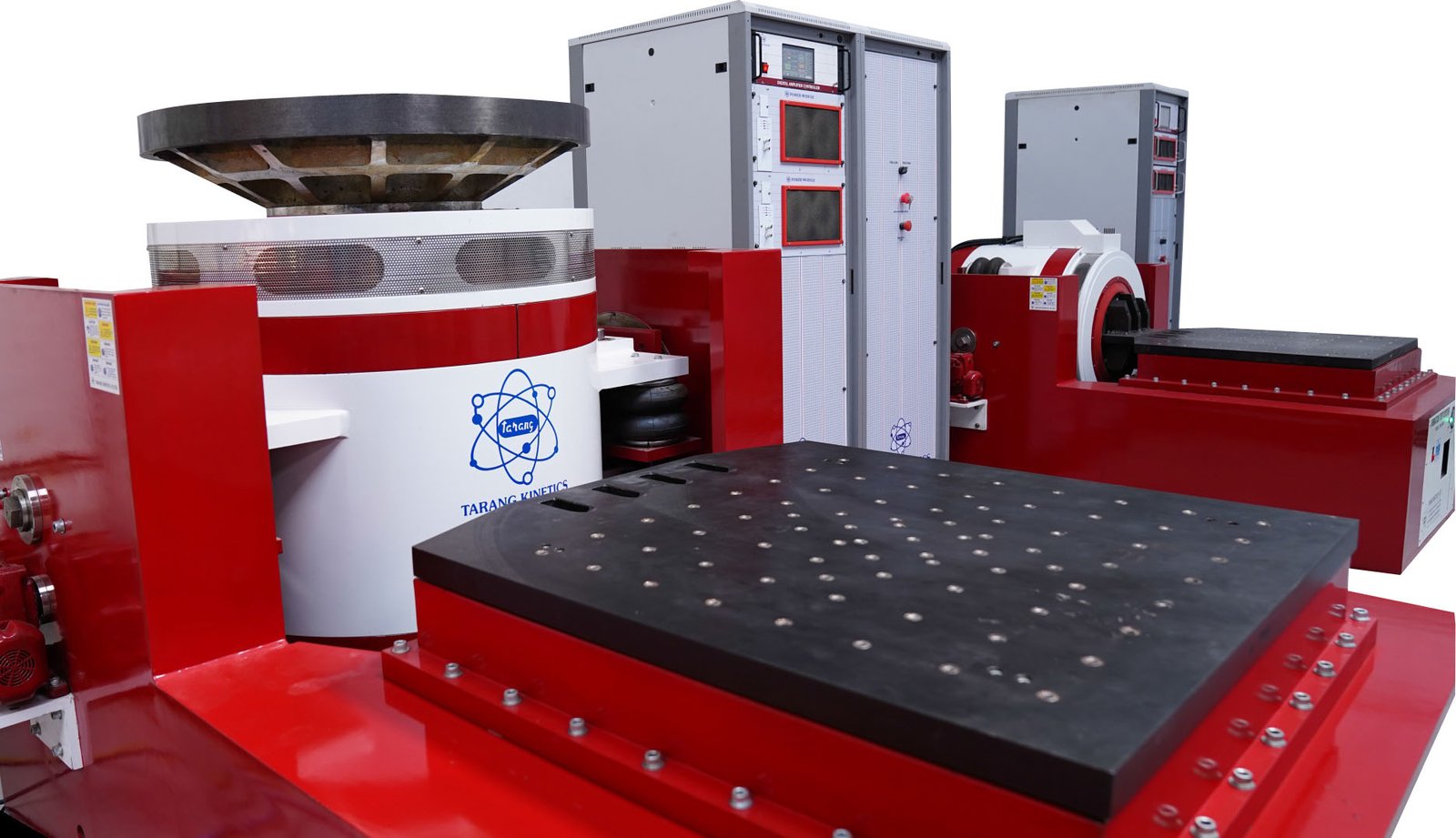
Vibration testing equipment allows manufacturers to detect any inherent design weaknesses in the product before its launch into the market. It does so by simulating real-world environmental conditions within a laboratory setting and then subjecting products to vibrations and mechanical stresses. In doing so, engineers can determine any design flaws, such as poor connections, unstable soldering, fatigue, loosened fasteners, damaged PCBs, and defective assemblies.
Rather than performing visual checks or simple functional tests of products, manufacturers now aim to simulate transport conditions, operational movement, and mechanical stresses through vibration testing to observe how a product responds. Throughout the process, engineers study parameters like frequency, acceleration, force, and displacement to expose any weaknesses in products.
Since manufacturers can detect weaknesses in their products during the prototype or development stages, they can make design changes early enough without having to incur high costs. They also prevent themselves from receiving any warranty claims after launching the products.
What Are Hidden Product Weaknesses?
Hidden weaknesses refer to flaws that remain invisible during regular inspections but become significant problems once exposed to repeated use or some sort of environmental conditions. Some examples of weaknesses may include:
- Weak solder joints
- Poorly installed connectors
- Points of material fatigue
- Mounting flaws
- Structurally weak parts
- Fastener loosening problem
- Stress concentration zones
Why Lab Conditions Are Not Equal to Real Ones
For a product, the life cycle doesn’t actually begin when the customer buys it. Even before the consumer gets their hands on the device, it goes through all sorts of transportation, shipping, and packing movements.
And upon entering its new environment, the product faces an even stricter test.
For instance,
- Automotive components experience uneven roads and constant movement
- Aerospace equipment experiences intense operational vibration.
- Consumer electronics face transportation-induced mechanical stress.
- Industries face constant mechanical loads.
- And EVs must deal with repeated movement and shock exposure.
Regular lab inspections can verify proper dimensions and assembly quality. But they cannot reproduce these conditions. Often it leads to surprises down the road.
Simulating Reality Before Customers Do
As a manufacturer, you may tend to catch failures during development instead of finding out about them in the field. With the testing devices, you can recreate the operating conditions of products by simulating the movement of different frequencies and force characteristics. This will allow you to expose products to stressful conditions that mimic real-life usage of the products.
So, instead of waiting for months to see how things work, testing accelerates the ageing process of your devices. Some of the factors you might be able to check during testing would include:
- Frequency range
- Acceleration force
- Load conditions
- Displacement movement
- Conditions duration
Common Product Weaknesses Identified During Testing
Product development teams are usually surprised by what kinds of product issues emerge during the process of testing for reliability.
Mechanical failure: Repeated stress movement may uncover various problems, including bracket cracks, material fatigue, loosened fasteners and weak frame support areas.
What starts as a small defect will grow into an important failure over time due to continuous exposure.
Electrical problems: Internal systems may reveal issues such as damaged PCB boards, failure of the wire harness, connector instability and intermittent electrical contact problems.
The problems with electricity tend to manifest themselves only after a significant period of use.
Assembly weaknesses: Even if the product design itself is strong enough, sometimes assembly is the source of weaknesses. Some examples of assembly problems would include:
- Weak mounting system
- Inappropriate fixtures’ positioning
- Lack of a support system
- Problems with load distribution
Just a small oversight in mounting can make a difference for future reliability.
The Value of Finding Issues Early: There is a saying in product development that everyone knows finding problems after launch is significantly more expensive than catching them during development.
Making a small design adjustment during the prototyping stage might require only a couple of days. While finding an issue after manufacturing would result in additional costs, such as:
- Product recall fees
- Servicing expenses
- Warranty claims
- Production delay losses
- Customer disappointment and dissatisfactions
- Loss of the brand’s reputation
No engineering team likes changing a design when its product is already out there with consumers.
Therefore, early testing can save much more money than just that.
How Important Is Prototype Validation?
More and more manufacturers these days start testing their products even before moving into full-scale production. Such testing helps refine the product’s design before it starts going through production.
Engineering teams are free to experiment, try out various combinations, and improve flaws found during previous attempts at prototyping. In other words, this approach allows gaining confidence before product release instead of getting worried about them.
Conclusion
Vibration Testing Equipment is more than just testing anymore. It plays an integral role in product reliability planning.
As a matter of fact, product weaknesses rarely remain undiscovered for long periods. The question is not whether there is something wrong or not. The question is when it would come out into the open.
Finding a problem during the development phase will be relatively easy to solve. While discovering it after consumers start receiving products will be another story entirely.
Modern manufacturers have learned that durability is not only designed. It should be validated as well. And utilizing Vibration Testing Equipment during development helps achieve that goal.







No Comment! Be the first one.