


How Regular Gas Line Inspections Prevent Dangerous Home Emergencies
Regular gas line inspections help prevent dangerous home emergencies by identifying leaks, corrosion, pressure issues, and hidden damage before they become serious safety threats. Since gas line...

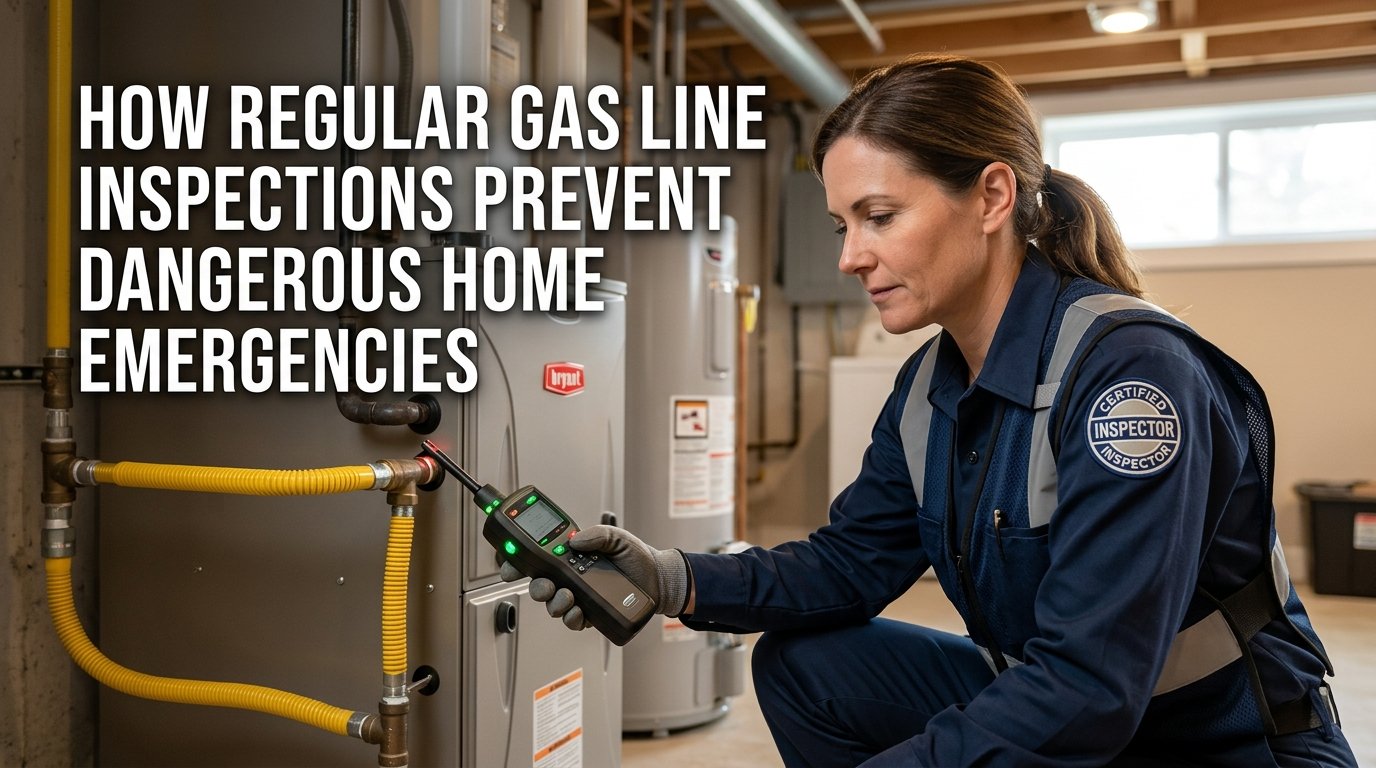
Regular gas line inspections help prevent dangerous home emergencies by identifying leaks, corrosion, pressure issues, and hidden damage before they become serious safety threats. Since gas line problems often develop slowly and without obvious warning signs, routine inspections ensure that small issues are detected early and fixed before they turn into fires, explosions, or health hazards. Homeowners looking to maintain a safe gas system should rely on professional gas line inspection and repair services to ensure their home remains protected year-round.
Table Of Content
- Early Detection of Gas Leaks
- Identifying Corrosion and Pipe Damage
- Preventing Gas Pressure Problems
- Reducing the Risk of Dangerous Emergencies
- Checking Appliance Connections and Safety
- Detecting Underground and Hidden Issues
- Improving Overall System Efficiency
- Preventing Costly Emergency Repairs
- Peace of Mind for Homeowners
- Why Professional Inspections Are Essential
- Final Thoughts
Gas lines are one of the most important yet overlooked systems in a home. They power essential appliances such as stoves, water heaters, furnaces, and dryers. While these systems are built for safety, they still require regular monitoring. Unlike visible plumbing issues like a dripping faucet, gas line problems often remain hidden behind walls or underground, making them harder to detect without professional inspection.
This is why routine inspections are not just recommended—they are essential for preventing emergencies.
Early Detection of Gas Leaks
One of the most important benefits of regular inspections is early leak detection. Small gas leaks can go unnoticed for long periods because they may not produce strong odors or visible signs at first.
During inspections, professionals check for:
- Minor leaks in pipes and joints
- Loose connections
- Wear and tear in gas lines
- Pressure inconsistencies
Catching these issues early helps prevent them from developing into dangerous leaks that could lead to fire or explosion risks.
Identifying Corrosion and Pipe Damage
Gas lines, especially underground or older ones, are vulnerable to corrosion over time. Moisture, soil conditions, and natural aging can weaken pipes slowly.
Regular inspections help identify:
- Rust or corrosion on metal pipes
- Weakening of pipe walls
- Cracks forming in older lines
- Deterioration at connection points
Once corrosion is detected early, repairs can be made before the damage spreads or causes a complete failure in the system.
Preventing Gas Pressure Problems
Gas systems must maintain proper pressure to ensure appliances work safely and efficiently. Too much or too little pressure can indicate a serious issue within the line.
Inspections help detect:
- Irregular gas pressure levels
- Blockages in the line
- Faulty regulators
- Flow inconsistencies
If left unchecked, pressure issues can damage appliances and increase the risk of gas leaks or inefficient combustion.
Reducing the Risk of Dangerous Emergencies
Gas-related emergencies can escalate very quickly. Even a small undetected issue can lead to severe consequences such as:
- Fires
- Explosions
- Carbon monoxide exposure
- Property damage
- Health emergencies
Regular inspections significantly reduce these risks by ensuring the system is functioning safely and any potential hazards are addressed before they become emergencies.
Checking Appliance Connections and Safety
Gas inspections don’t just focus on pipes—they also include appliance connections. Gas stoves, water heaters, and furnaces must all be properly connected and sealed.
During inspections, professionals look for:
- Loose appliance connections
- Worn-out hoses or fittings
- Improper installation issues
- Gas flow efficiency problems
Faulty appliance connections are a common source of leaks and are often missed without professional evaluation.
Detecting Underground and Hidden Issues
Some of the most dangerous gas line problems occur underground or behind walls, where they cannot be seen or smelled easily. These hidden issues require specialized tools to detect.
Inspections help uncover:
- Underground leaks
- Soil pressure damage
- Tree root interference
- Hidden pipe fractures
Without inspections, these problems may continue unnoticed until they become serious hazards.
Improving Overall System Efficiency
Regular inspections not only improve safety but also help maintain system efficiency. A well-maintained gas line ensures that appliances receive a steady and reliable gas supply.
Benefits include:
- Better appliance performance
- Reduced energy waste
- Lower utility costs
- Longer lifespan of gas systems
Efficient systems are less likely to develop stress-related issues that can lead to leaks or failures.
Preventing Costly Emergency Repairs
Emergency gas repairs are often expensive and stressful because they require immediate action and may involve significant damage control. Routine inspections help avoid these situations by identifying small issues early.
Preventive benefits include:
- Lower repair costs
- Fewer emergency callouts
- Reduced risk of property damage
- Early intervention before system failure
Investing in inspections is far more cost-effective than dealing with an emergency repair.
Peace of Mind for Homeowners
One of the most valuable benefits of regular gas inspections is peace of mind. Knowing that the system has been checked by professionals allows homeowners to feel confident in their home’s safety.
This includes:
- Confidence in appliance safety
- Reduced worry about hidden leaks
- Assurance of system reliability
- Fewer unexpected issues
Safety becomes easier to maintain when the system is regularly monitored.
Why Professional Inspections Are Essential
Gas systems require trained professionals who understand safety standards, detection methods, and repair procedures. DIY inspections are not safe or reliable for gas systems.
Professional technicians provide:
- Accurate leak detection
- Pressure testing
- Safety compliance checks
- Full system evaluation
- Expert repair recommendations
For homeowners wanting to ensure long-term safety and reliability, these licensed gas inspection and repair specialists provide essential services that help prevent dangerous home emergencies.
Final Thoughts
Regular gas line inspections are one of the most effective ways to prevent dangerous home emergencies. By identifying leaks, corrosion, pressure issues, and hidden damage early, homeowners can avoid serious risks such as fires, explosions, and health hazards.
Routine professional inspections not only protect the home but also improve efficiency, reduce repair costs, and provide peace of mind. When it comes to gas systems, prevention is always safer—and far more reliable—than dealing with emergencies after they happen.



No Comment! Be the first one.