


Why Ignoring Small Water Heater Problems Can Lead to Expensive Repairs
Small water heater problems like unusual noises, inconsistent hot water, minor leaks, or fluctuating temperatures may seem harmless at first, but they often indicate deeper issues that can lead to...

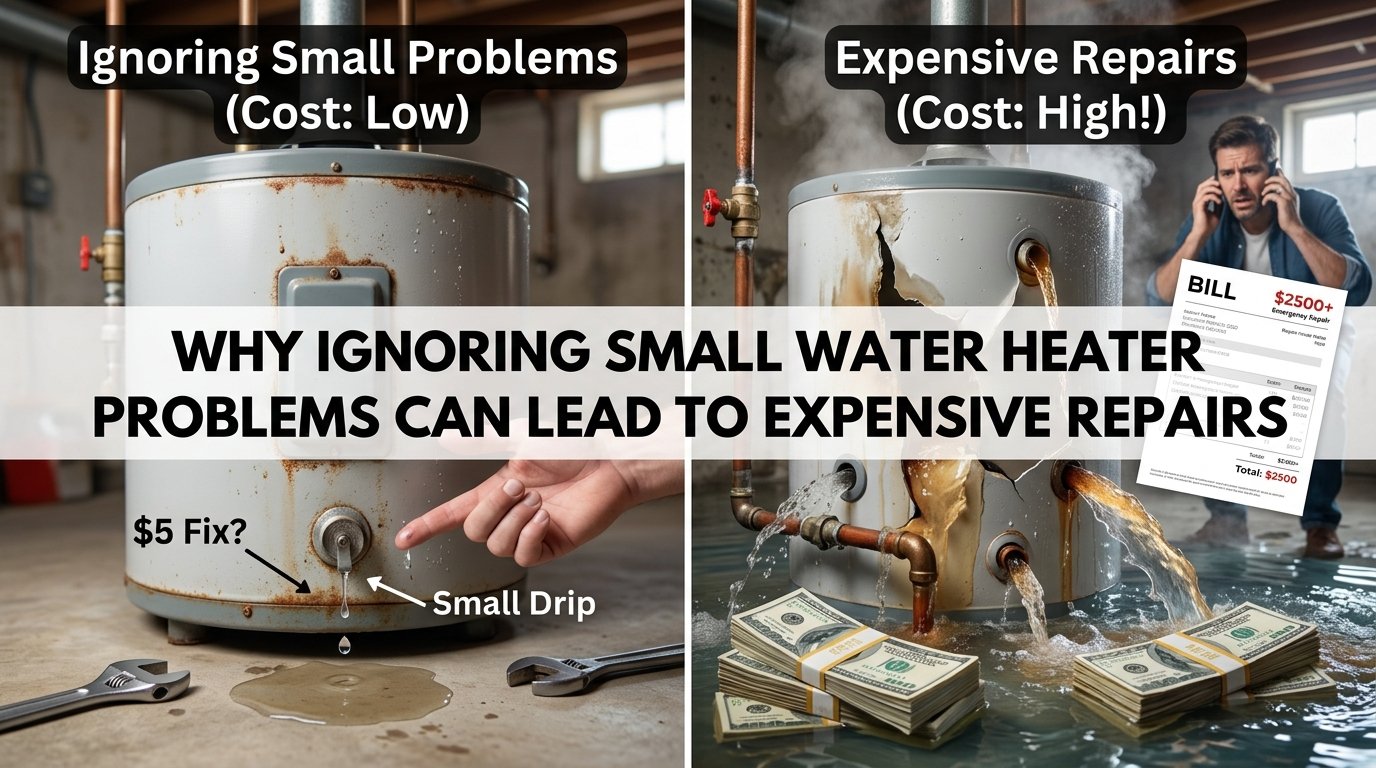
Small water heater problems like unusual noises, inconsistent hot water, minor leaks, or fluctuating temperatures may seem harmless at first, but they often indicate deeper issues that can lead to major repairs or complete system failure if ignored. Over time, these small warning signs place extra stress on the unit, reduce efficiency, and increase the risk of water damage and costly breakdowns. Homeowners noticing these issues should rely on dependable water heater repair specialists to inspect the system early and prevent expensive repairs later.
Table Of Content
- Small Leaks Can Turn Into Major Water Damage
- Strange Noises Often Signal Sediment Buildup
- Inconsistent Hot Water Indicates Internal Problems
- Corrosion Can Spread Quickly
- Higher Energy Bills Often Mean Reduced Efficiency
- Pressure Problems Can Damage the System
- Delayed Repairs Usually Become More Expensive
- Older Water Heaters Are More Vulnerable
- Preventive Maintenance Helps Avoid Major Repairs
- Final Thoughts
A water heater is one of the most heavily used appliances in a home, yet many people overlook small performance issues until the system stops working completely. The problem is that water heaters rarely fail without warning. In most cases, they give early signs that something inside the system is beginning to wear out.
Paying attention to these warning signs can save homeowners significant money and stress in the long run.
Small Leaks Can Turn Into Major Water Damage
A small puddle near the base of a water heater may not seem urgent, but even a minor leak can quickly become a serious problem. Water leaks often indicate pressure issues, loose connections, or internal tank corrosion.
If ignored, leaks can cause:
- Damage to flooring and walls
- Mold and mildew growth
- Structural damage around the unit
- Complete tank failure
What starts as a small drip can eventually lead to costly property repairs.
Strange Noises Often Signal Sediment Buildup
Rumbling, popping, or banging sounds inside a water heater usually happen because of sediment buildup at the bottom of the tank. As minerals collect over time, the heater has to work harder to warm the water.
This can lead to:
- Reduced heating efficiency
- Higher energy bills
- Overheating of internal components
- Faster wear on the tank
Ignoring these noises can shorten the lifespan of the entire system.
Inconsistent Hot Water Indicates Internal Problems
If your water temperature changes unexpectedly or the hot water runs out too quickly, the system may already be struggling internally.
Possible causes include:
- Failing heating elements
- Thermostat malfunctions
- Sediment reducing tank capacity
- Aging internal components
Addressing these issues early is usually far less expensive than replacing the entire unit after failure.
Corrosion Can Spread Quickly
Rust or corrosion around a water heater should never be ignored. Corrosion often begins slowly but gradually weakens the tank and connected plumbing.
Signs of corrosion include:
- Rust-colored water
- Corroded pipe fittings
- Visible rust near the tank base
- Metallic smell in hot water
Once corrosion spreads inside the tank, replacement may become unavoidable.
Higher Energy Bills Often Mean Reduced Efficiency
Many homeowners don’t realize that a struggling water heater consumes more energy. When the system has to work harder to heat water, utility bills naturally increase.
Common reasons include:
- Sediment insulating the heating elements
- Worn-out components reducing performance
- Constant reheating cycles
- Poor temperature regulation
Fixing small efficiency problems early can significantly reduce operating costs.
Pressure Problems Can Damage the System
Water heaters are designed to operate within safe pressure limits. If pressure builds up inside the tank, it can place dangerous stress on the system.
Potential causes include:
- Faulty pressure relief valves
- Overheating water
- Sediment restricting water flow
- Expansion issues in the tank
Ignoring pressure problems increases the risk of leaks or tank rupture.
Delayed Repairs Usually Become More Expensive
One of the biggest mistakes homeowners make is waiting too long to address water heater problems. Minor repairs are typically affordable, but neglected issues often grow into larger failures.
Delaying repairs can result in:
- Emergency replacement costs
- Extensive water damage cleanup
- More complex plumbing repairs
- Unexpected loss of hot water
Early maintenance is almost always more cost-effective than emergency repairs.
Older Water Heaters Are More Vulnerable
As water heaters age, even small issues become more serious because internal components are already under stress.
Older units often experience:
- Increased corrosion risk
- Reduced heating efficiency
- More frequent leaks
- Greater likelihood of sudden failure
Regular inspections become especially important as systems approach the end of their lifespan.
Preventive Maintenance Helps Avoid Major Repairs
Routine maintenance is one of the best ways to catch small issues before they turn into expensive problems. Professional inspections can identify hidden wear and improve overall system performance.
Maintenance typically includes:
- Flushing sediment from the tank
- Checking heating elements and thermostat
- Inspecting valves and pipe connections
- Testing system pressure and efficiency
These steps help extend the life of the water heater and reduce repair costs.
Final Thoughts
Ignoring small water heater problems can quickly lead to expensive repairs, water damage, and unexpected system failure. Minor warning signs like leaks, noises, inconsistent heating, or rising energy bills often indicate deeper issues developing inside the unit.
By addressing these problems early and scheduling regular maintenance, homeowners can protect their investment, improve efficiency, and ensure a reliable hot water supply for years to come.



No Comment! Be the first one.