


What Is the Most Durable Furniture Material? A Practical Guide for Long-Lasting Furniture
When buying furniture, style usually grabs attention first. But after a few years of daily use, durability becomes what really matters. Sofas sag, tables scratch, cabinets swell, and suddenly that...

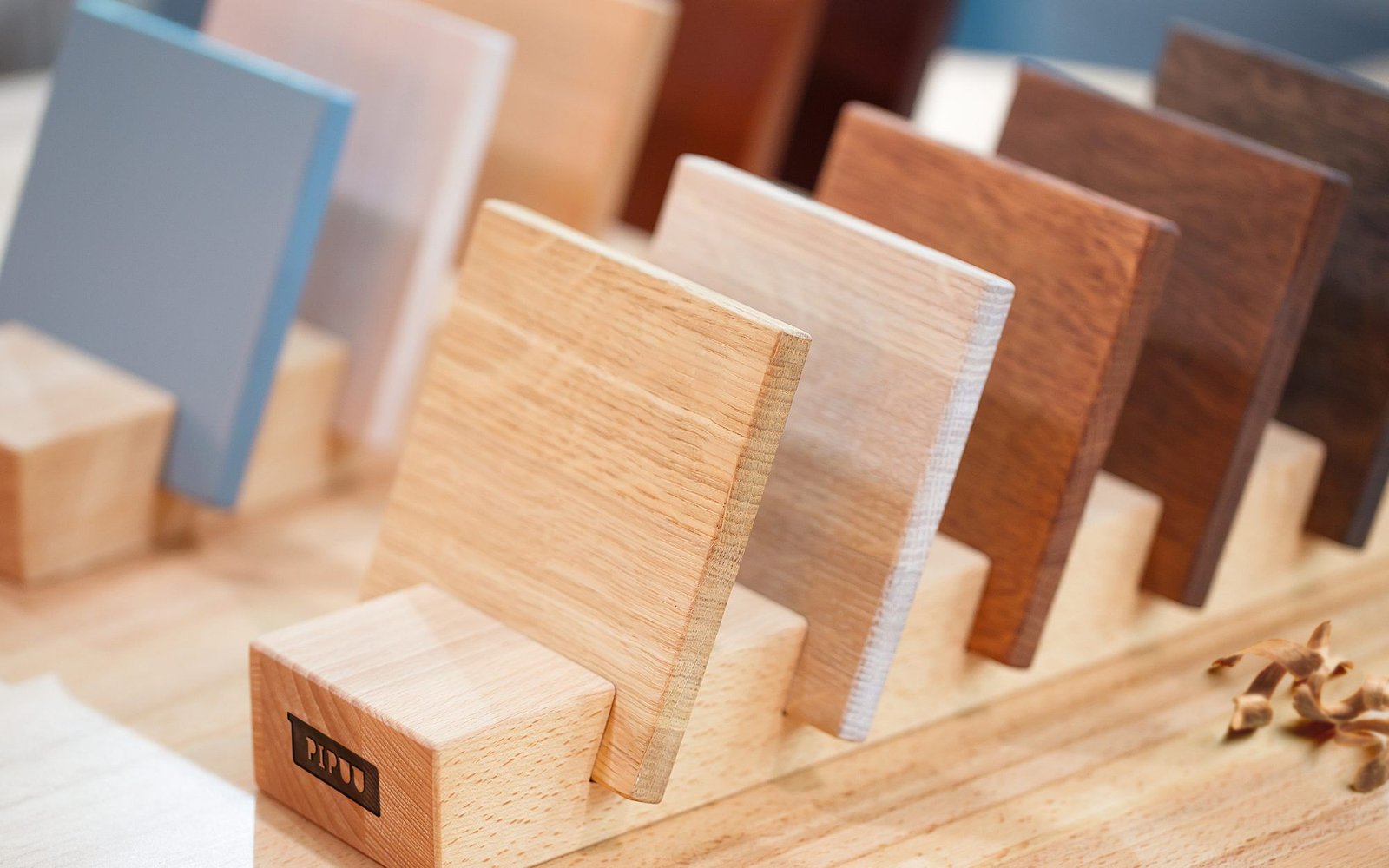
When buying furniture, style usually grabs attention first. But after a few years of daily use, durability becomes what really matters. Sofas sag, tables scratch, cabinets swell, and suddenly that “great deal” does not feel so great anymore.
Table Of Content
- Why Durability Matters in Furniture
- Solid Wood: A Timeless and Highly Durable Choice
- Why Solid Hardwood Is So Durable
- Best Types of Durable Wood
- Metal Furniture: Strength Meets Modern Design
- Types of Durable Metals in Furniture
- Why Metal Performs Well
- Engineered Wood: Affordable but Less Durable
- Is Engineered Wood Durable?
- Teak: The Outdoor Durability Champion
- Why Teak Is So Durable
- Leather: Durable Upholstery Option
- Why Leather Lasts
- High-Performance Fabrics and Synthetic Materials
- Comparing the Most Durable Furniture Materials
- Factors That Affect Furniture Durability
- 1. Joinery
- 2. Finish Quality
- 3. Usage
- 4. Environment
- So, What Is the Most Durable Furniture Material Overall?
- Final Thoughts
So, what is the most durable furniture material? The honest answer depends on how and where the furniture will be used. A dining table faces different challenges than a patio chair or a wardrobe. In this guide, we will break down the strongest furniture materials, compare their strengths and weaknesses, and help you choose wisely for long-term value.
Why Durability Matters in Furniture
Before deciding what is the most durable furniture material, it helps to understand what durability actually means in furniture terms.
Durability includes:
- Resistance to scratches and dents
- Ability to handle weight and pressure
- Resistance to moisture and humidity
- Longevity over years of use
- Minimal warping, cracking, or structural failure
If you are investing in furniture for a family home, rental property, or even office space, durability directly affects maintenance costs and replacement frequency.
Solid Wood: A Timeless and Highly Durable Choice
When people ask what is the most durable furniture material, solid hardwood is often the first answer.
Why Solid Hardwood Is So Durable
Hardwoods like oak, maple, walnut, and teak are dense and strong. They resist dents better than softwoods and can last decades when properly maintained.
Benefits of solid hardwood:
- Extremely strong and load-bearing
- Can be sanded and refinished multiple times
- Ages beautifully
- High resale value
Best Types of Durable Wood
- Oak: Strong, resistant to wear, great for tables and floors
- Maple: Very dense, excellent for heavy-use surfaces
- Teak: Naturally moisture-resistant, ideal for outdoor furniture
- Walnut: Durable with a premium appearance
Solid hardwood furniture can easily last 20–50 years or more. In terms of long-term structural strength, it is one of the top contenders when evaluating what is the most durable furniture material.
Downside: It is expensive and can be heavy.
Metal Furniture: Strength Meets Modern Design
Metal is another strong competitor when discussing what is the most durable furniture material, especially for industrial or outdoor use.
Types of Durable Metals in Furniture
- Steel
- Stainless steel
- Aluminum
- Wrought iron
Why Metal Performs Well
- Resistant to cracking or splitting
- Handles heavy weight
- Excellent for outdoor use (especially powder-coated or stainless steel)
- Low maintenance
Steel furniture frames are extremely strong and often used inside sofas and beds. Wrought iron is popular for outdoor furniture because it withstands weather exposure.
However, metal can:
- Rust if not treated
- Feel cold or less inviting indoors
- Dent under heavy impact
For structural durability alone, metal ranks very high when considering what is the most durable furniture material.
Engineered Wood: Affordable but Less Durable
Engineered wood includes materials like:
- MDF (Medium Density Fiberboard)
- Particleboard
- Plywood
Is Engineered Wood Durable?
Plywood can be reasonably durable if high quality. However, MDF and particleboard are far less resistant to moisture and impact.
Pros:
- Affordable
- Lightweight
- Smooth finish for painted furniture
Cons:
- Swells when exposed to water
- Chips more easily
- Shorter lifespan compared to solid wood
If you are strictly evaluating what is the most durable furniture material, engineered wood usually does not rank at the top. It works better for low-traffic or decorative pieces.
Teak: The Outdoor Durability Champion
When discussing outdoor furniture specifically, teak deserves its own mention.
Teak contains natural oils that resist moisture, insects, and rot. It performs extremely well in humid or rainy climates.
Why Teak Is So Durable
- Water resistant
- Pest resistant
- Minimal warping
- Can last decades outdoors
For patios, gardens, and poolside areas, teak often becomes the clear answer to what is the most durable furniture material for exterior use.
The main drawback is cost. High-quality teak is expensive, but it requires minimal maintenance compared to other woods.
Leather: Durable Upholstery Option
Durability is not only about frames and surfaces. Upholstery matters too.
Full-grain leather is one of the most durable upholstery materials available.
Why Leather Lasts
- Resistant to tearing
- Easy to clean
- Develops character over time
- Strong fibers compared to synthetic alternatives
Fabric sofas may fade or wear down faster depending on usage. High-quality leather, on the other hand, can last 10–20 years or more with proper care.
If your question about what is the most durable furniture material includes sofas and chairs, leather should be part of the discussion.
High-Performance Fabrics and Synthetic Materials
Modern furniture now uses high-performance synthetic fabrics and plastics.
Examples include:
- Olefin
- Polyester blends
- Resin wicker
- Polypropylene
These materials are often used for:
- Outdoor seating
- Family-friendly sofas
- Commercial furniture
They are resistant to stains, UV rays, and moisture. While they may not last as long as solid hardwood structurally, they perform very well in high-use environments.
For low maintenance and stain resistance, synthetic materials can be surprisingly durable.
Comparing the Most Durable Furniture Materials
Let’s simplify things.
If we compare common materials:
| Material | Structural Strength | Moisture Resistance | Lifespan | Maintenance |
|---|---|---|---|---|
| Solid Hardwood | Very High | Moderate | 20–50+ yrs | Medium |
| Teak | Very High | Very High | 30+ yrs | Low |
| Steel | Extremely High | High (treated) | 20+ yrs | Low |
| Plywood | Moderate | Low–Moderate | 10–15 yrs | Low |
| MDF | Low–Moderate | Low | 5–10 yrs | Low |
If someone asks directly what is the most durable furniture material, the most balanced answer is:
- Solid hardwood for indoor furniture
- Teak or treated metal for outdoor furniture
Factors That Affect Furniture Durability
Even the strongest material can fail if poorly constructed. When evaluating what is the most durable furniture material, consider:
1. Joinery
Dovetail and mortise-and-tenon joints last much longer than simple staples or glue.
2. Finish Quality
Protective finishes prevent scratches and moisture damage.
3. Usage
A dining table used daily by a large family will wear faster than a decorative console table.
4. Environment
Humidity, sunlight, and temperature changes affect materials differently.
Durability is not just about the raw material. Craftsmanship matters just as much.
So, What Is the Most Durable Furniture Material Overall?
If we are choosing one material for overall indoor strength and long-term value, solid hardwood stands out as the most reliable choice.
For outdoor use, teak or powder-coated steel takes the lead.
There is no universal winner for every situation, but if your priority is decades of use, hardwood furniture consistently ranks at the top when answering what is the most durable furniture material.
Final Thoughts
Buying furniture is an investment. While cheaper materials may save money upfront, they often cost more over time due to replacements and repairs.
If you want something that:
- Handles daily wear
- Looks better with age
- Can be repaired or refinished
- Holds long-term value
Solid hardwood is usually your safest bet. For outdoor durability, teak and treated metal perform exceptionally well.
Before purchasing, think about how the piece will be used, who will use it, and the environment it will live in. That clarity will help you confidently decide what is the most durable furniture material for your specific needs.





No Comment! Be the first one.