


Tarpaulin Sheets For Fixing A Broken Roof Very Quickly
Since your roof protects everything inside your house. You might notice wet spots on the drywall or puddles on your hardwood floors. If you ignore these signs, the wood in your attic might start to...

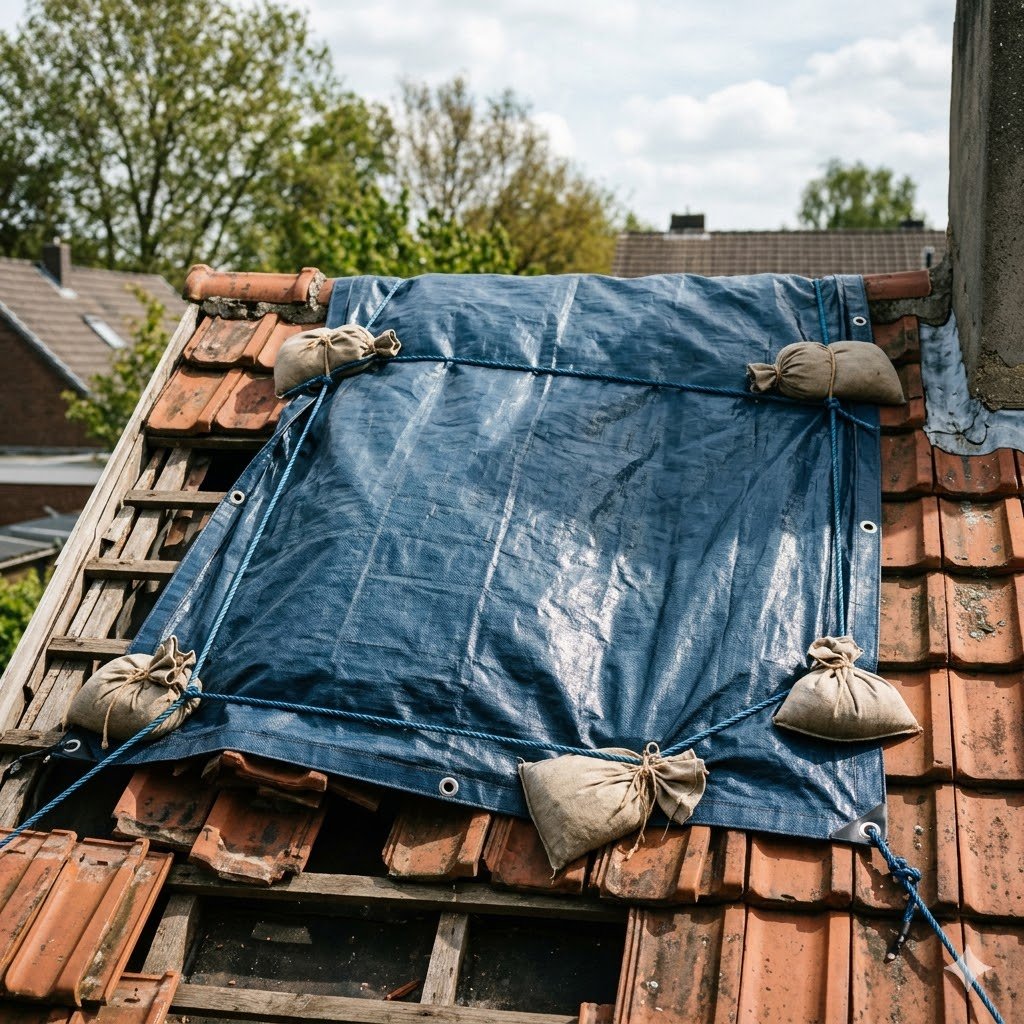
Since your roof protects everything inside your house. You might notice wet spots on the drywall or puddles on your hardwood floors. If you ignore these signs, the wood in your attic might start to rot. This is exactly why keeping a Heavy Duty Tarpaulin in your garage is a smart move for any responsible homeowner.
Table Of Content
- Choosing The Right Tarpaulin Sheets
- Finding The Best Tarpaulin For Maximum Strength
- Selecting A Tarpaulin With UV Protection
- Measuring For A Tarpaulin That Fits Perfectly
- Picking A Tarpaulin Color That Works Well
- Buying A Tarpaulin With The Right Weight
- Steps To Use Tarpaulin Sheets For Fixing
- Preparing Your Tarpaulin For The Installation
- Positioning The Tarpaulin Over The Damaged Area
- Securing The Tarpaulin With Wood Strips
- Checking The Tarpaulin For Any Loose Edges
- Maintaining Your Tarpaulin
- Conclusion
- Frequently Asked Questions
Using a durable cover allows you to breathe a sigh of relief while you wait for a professional roofer to arrive. Most repairs take time to schedule, but the rain does not wait for an appointment. Therefore, you should learn how to secure these plastic covers properly to keep your living room dry and safe. A simple tarpaulin can save you thousands of dollars in interior repair costs if you apply it correctly during the first signs of trouble.
Choosing The Right Tarpaulin Sheets
Before you climb up a ladder, you must select the best material for the job. Not all covers are the same, so you need to look for something thick and waterproof. Many people prefer a heavy duty tarpaulin because it resists tearing when the wind blows hard against the shingles. If the material is too thin, the sun or wind might rip it apart within just a few hours.
Finding The Best Tarpaulin For Maximum Strength
Strength matters most when you are dealing with sharp roof edges and rough tiles. You should look for a cover that has reinforced corners and sturdy metal grommets. These small holes allow you to tie the tarpaulin down tightly using ropes or bungee cords. If the material feels flimsy like a trash bag, it will likely fail during the next gust of wind.
Selecting A Tarpaulin With UV Protection
Sunlight can actually damage plastic covers just as much as the rain does. If you plan to leave the cover on for a few weeks, make sure it has a special coating to block the sun. A high-quality tarpaulin will stay flexible and strong even after sitting under the hot sun for several days. This prevents the plastic from becoming brittle and cracking over your damaged shingles.
Measuring For A Tarpaulin That Fits Perfectly
You need to make sure the cover is much larger than the actual hole in your roof. It should extend several feet past the damage on all sides to ensure water runs off correctly. If you buy a Tarpaulin that is too small, water will simply seep under the edges and continue to leak into your home. Always measure twice so you only have to make one trip to the hardware store.
Picking A Tarpaulin Color That Works Well
While color might seem like a small detail, it can actually help you see what you are doing. Blue or silver covers are very common because they reflect heat and stay visible from the ground. When you use a bright tarpaulin, you can easily check from your driveway to see if the wind has moved it out of place. This helps you monitor the situation without having to climb onto the roof every single day.
Buying A Tarpaulin With The Right Weight
Thicker materials are usually measured by their weight or mil thickness. You want a cover that feels substantial in your hands so it does not flap around like a kite. A weighted tarpaulin stays flatter against the roof surface, which creates a much better seal against the pouring rain. Heavier options are usually worth the extra few dollars for the peace of mind they provide.
Steps To Use Tarpaulin Sheets For Fixing
Safety must be your top priority when you decide to step onto a high surface. You should never try to fix a roof while it is still raining or while the wind is blowing hard. Wait for a break in the storm and make sure the roof surface is not too slippery. Once the conditions are safe, you can start the process of laying down your tarpaulin to stop the leaks.
Preparing Your Tarpaulin For The Installation
Before you head up the ladder, unroll the cover on your lawn to inspect it for any holes. You do not want to discover a defect after you have already climbed to the top of the house. It is much easier to attach your ropes or straps to the tarpaulin while you are standing on solid ground. Preparation saves you a lot of energy and keeps you from making extra trips up and down the ladder.
Positioning The Tarpaulin Over The Damaged Area
Start by placing the top edge of the cover over the peak of the roof if possible. This allows water to flow over the plastic just like it flows over the shingles. If you place the tarpaulin below the peak, water might run underneath the top edge and enter the hole anyway. Always think about the path of the water as it travels from the top of your house toward the gutters.
Securing The Tarpaulin With Wood Strips
Many experts suggest using thin wooden boards to hold the edges of the cover down. You can wrap the plastic around the wood and then screw the wood into the roof. This creates a very tight seal that the wind cannot easily get under. When you secure your tarpaulin this way, you minimize the risk of it blowing away during a secondary storm.
Checking The Tarpaulin For Any Loose Edges
Once you finish the installation, walk around the house and look up to see if any parts are lifting. Even a small gap can allow a breeze to get under the plastic and pull it loose. You should tuck the bottom of the tarpaulin into the gutters or weigh it down with sandbags if you cannot use nails. A tight fit ensures that your home stays dry until the professional repair crew arrives. Read More Blogs
Maintaining Your Tarpaulin
Heavy rain can sometimes cause water to pool in the middle of the plastic cover. If you see a large puddle forming, you need to find a way to drain it so the weight does not collapse the roof. Check your tarpaulin after every windy night to make sure the ropes are still tight and the plastic is still covering the hole. This simple maintenance keeps your temporary fix working perfectly for as long as you need it.
Conclusion
Taking care of your home is a big job, but using a cover is a simple way to handle an emergency. A thick plastic sheet acts as a brave shield between your family and the harsh weather outside. By following these steps, you can prevent expensive mold and wood rot from ruining your house. Always remember to stay safe and choose a high-quality material that can stand up to the wind. A quick fix today can save you from a massive headache tomorrow.
Frequently Asked Questions
Q: How long can I leave a cover on my roof?
You should only leave a tarpaulin on your roof for a few weeks until you get a permanent fix.
Q: Can one person install a large cover alone?
It is always better to have a friend help you hold the tarpaulin so it does not blow away while you work.
Q: Will the cover damage my existing shingles?
Using nails or screws through a tarpaulin will leave small holes, but a professional roofer can fix those easily later.
Q: What is the best way to clean a cover after use?
You can simply spray the tarpaulin with a garden hose and let it dry in the sun before folding it away







No Comment! Be the first one.