


What Packaging Materials Are Transforming Modern Shipping?
Shipping has changed dramatically over the last few years. Parcels now travel faster, pass through more handling points, and reach customers with higher expectations. People no longer judge...

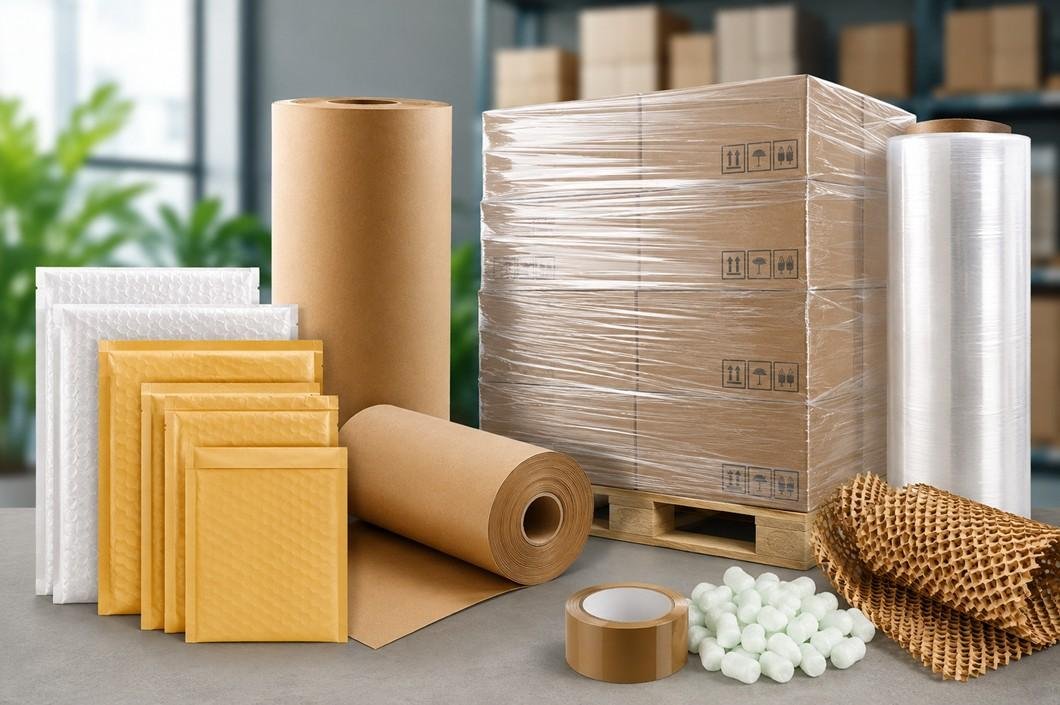
Shipping has changed dramatically over the last few years. Parcels now travel faster, pass through more handling points, and reach customers with higher expectations. People no longer judge deliveries only by the product inside. They notice the condition of the parcel, the quality of its protection, and even how professionally the packaging feels in the hand.
Table Of Content
- Why Are Businesses Moving Beyond Basic Packaging?
- Which Protective Materials Are Becoming More Popular?
- Foam Protection Sheets
- Air Cushioning Rolls
- Corrugated Cardboard Inserts
- Why Are Wrapping Materials Still So Important?
- Kraft Paper Protection
- Honeycomb Paper Wrap
- Are Smaller Packaging Formats Becoming More Useful?
- Postal Cartons
- Book Wrap Mailers
- How Are Packaging Materials Affecting Customer Experience?
- Conclusion
That shift is exactly why modern businesses are paying closer attention to stronger and smarter packaging materials. Good packaging no longer works quietly in the background. It directly affects customer trust, delivery performance and even repeat purchases.
Why Are Businesses Moving Beyond Basic Packaging?
Many businesses once relied on simple cartons and tape, without much thought given to protecting the contents of the parcel. That approach no longer works for modern shipping demands. Products now travel through warehouses, conveyor systems and delivery vans for longer periods. Fragile items especially need layered protection to survive transit without damage.
Retailers, manufacturers and fulfilment teams are now choosing packaging based on durability, presentation and efficiency rather than simply price.
A parcel arriving in perfect condition immediately creates confidence. Damaged corners or loose wrapping create the opposite effect.
Which Protective Materials Are Becoming More Popular?
Different industries require different protection methods, which is why businesses now combine multiple materials depending on the products they ship.
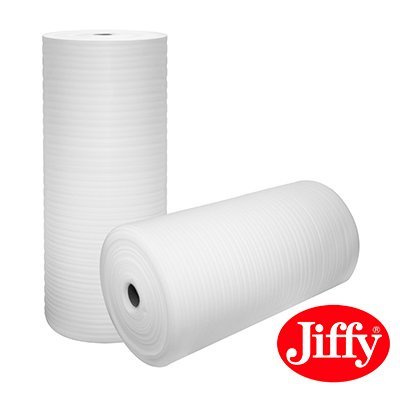
Foam Protection Sheets
Foam sheets are widely used for delicate surfaces because they help prevent scratches during storage and transit. Electronics, mirrors and decorative products are often wrapped in foam before being placed into cartons.
This extra layer may seem simple, but it dramatically reduces surface damage during handling.
Air Cushioning Rolls
Air cushioning materials have become increasingly popular for lightweight but fragile products. Many businesses prefer them because they protect items without adding unnecessary weight to parcels.
Products such as candles, beauty items and glass accessories are commonly secured with layered cushioning before dispatch.
Corrugated Cardboard Inserts
Cardboard inserts help keep products stable inside larger cartons. They are regularly used for bottles, jars, and boxed retail products where movement inside the parcel can cause breakage.
Structured inserts also help parcels feel more organised when customers open them.
Why Are Wrapping Materials Still So Important?
Outer wrapping still plays a huge role in modern shipping, especially for warehouse storage and pallet transport.
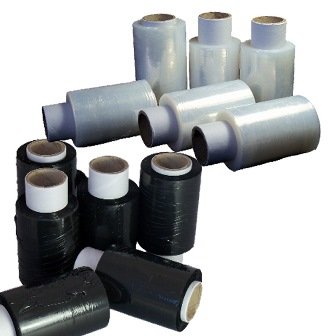
Many fulfilment centres now use pallet wrap to stabilise stacked cartons before shipping. Without proper wrapping, pallets can shift during movement, increasing the risk of damaged stock and collapsed shipments.
Protective paper materials are also becoming more widely used across packing stations.
Kraft Paper Protection
Many retailers now use brown kraft paper rolls because they offer flexible protection while keeping parcels looking neat and organised. Kraft paper is commonly used to wrap products, fill gaps inside cartons, and provide surface protection for fragile items.
It also creates a cleaner presentation compared to loose plastic fillers scattered inside parcels.
Honeycomb Paper Wrap
Honeycomb-style paper wrapping has become popular for protecting glassware, ceramics, and decorative products—its textured structure naturally cushions items while keeping the packaging lightweight.
Many businesses now prefer layered paper protection for smaller retail shipments because it feels more premium during unboxing.
Are Smaller Packaging Formats Becoming More Useful?
Absolutely. Not every product requires a large carton. Smaller shipping formats help reduce waste, improve presentation and lower delivery costs.
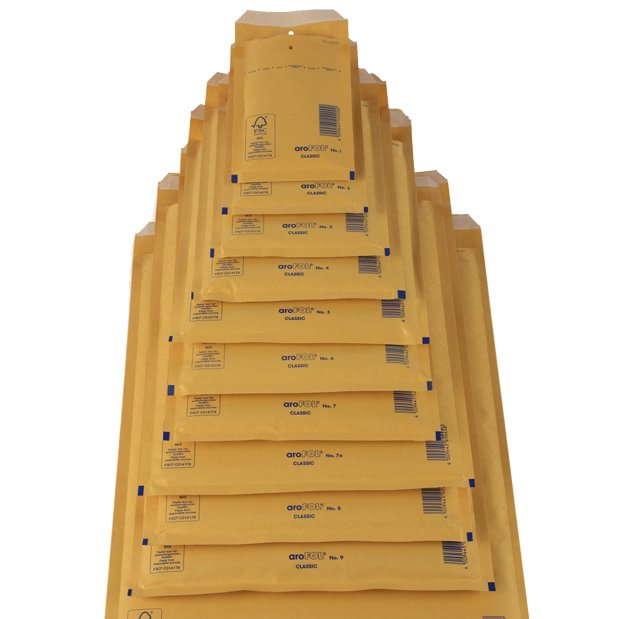
This is why many online retailers now rely on bubble mailers for lightweight items such as documents, accessories, books, and small electronic items. The padded structure protects products while keeping the parcel compact and easier to handle.
Slim packaging solutions are especially useful for businesses that ship high volumes of parcels every day.
Postal Cartons
Postal cartons are designed for smaller retail products where oversized packaging would create unnecessary movement during transit.
These cartons also help parcels feel tidier and more professional on arrival.
Book Wrap Mailers
Book wraps remain popular for flat products because they keep printed items secure without adding excessive bulk or weight.
How Are Packaging Materials Affecting Customer Experience?
Customers may not always talk about packaging directly, but they notice poor packaging immediately.
A crushed box, a weak seal, or a damaged corner instantly changes how the delivery feels. On the other hand, secure wrapping and well-fitted protection quietly improve customer confidence before the parcel is even opened.
This matters even more for e-commerce brands because packaging often becomes part of the buying experience itself.
Fashion retailers, subscription brands and gift companies now invest heavily in stronger protection because damaged deliveries usually cost far more than better packaging materials ever would.
Conclusion
Modern shipping is no longer supported by one single packaging solution. Businesses now rely on layered protection systems that combine cushioning, wrapping, sealing, and structured cartons.
From bubble envelopes and brown kraft paper rolls to foam protection, postal cartons, and pallet wrap, packaging materials are evolving to meet the demands of faster, more demanding deliveries.
The businesses adapting fastest are usually the ones creating safer parcels, delivering better customer experiences, and experiencing fewer damaged shipments over time.






No Comment! Be the first one.