


Email Marketing Automation Tips That Increase Sales and Engagement
Email marketing automation has become one of the most powerful tools in modern digital marketing. When used correctly, it helps businesses communicate with the right audience at the right time,...

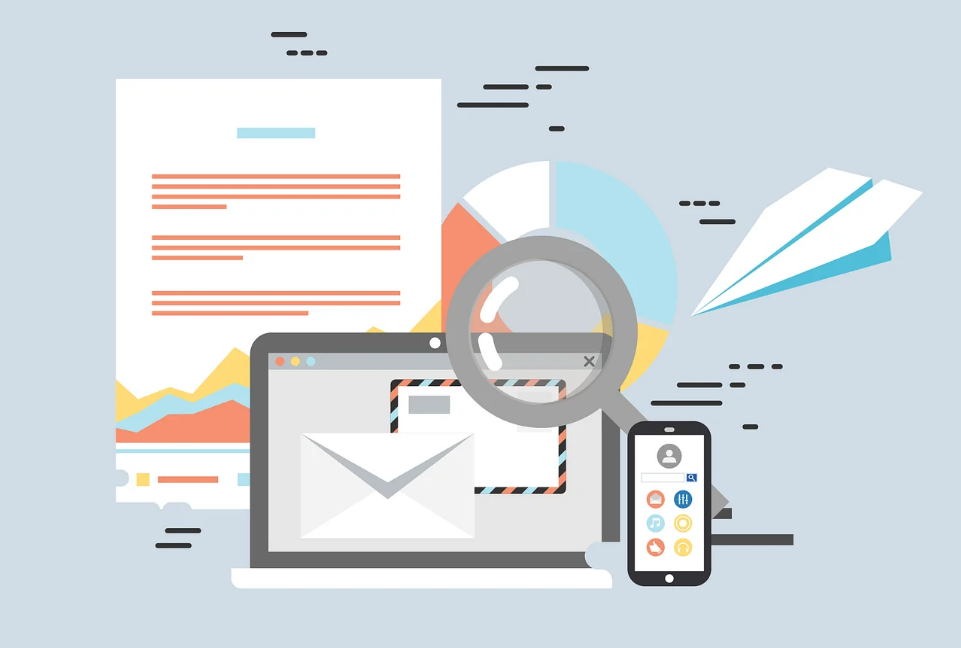
Email marketing automation has become one of the most powerful tools in modern digital marketing. When used correctly, it helps businesses communicate with the right audience at the right time, without manually sending every email. It saves time, improves consistency, increases conversions, and creates a more personalized experience for subscribers.
Table Of Content
- What Is Email Marketing Automation?
- Why Email Automation Matters for Sales and Engagement
- 1. Start with Clear Goals for Every Workflow
- 2. Build a Strong Welcome Series
- Tip
- 3. Use Segmentation to Send More Relevant Emails
- 4. Personalize Beyond the First Name
- 5. Set Up Cart Abandonment Emails
- 6. Create Post-Purchase Automation to Increase Repeat Sales
- 7. Use Lead Nurturing to Move Subscribers Toward Purchase
- 8. Re-Engage Inactive Subscribers
- 9. Trigger Emails Based on Customer Behavior
- 10. Use Smart Subject Lines to Improve Open Rates
- 11. Keep Your Automation Sequences Short and Focused
- 12. Design Emails for Mobile Users
- 13. Test Different Versions of Your Emails
- 14. Match the Message to the Customer Journey
- 15. Use Social Proof to Build Trust
- 16. Offer the Right Incentive at the Right Time
- 17. Clean and Maintain Your Email List
- 18. Monitor the Right Metrics
- 19. Keep Your Brand Voice Consistent
- 20. Focus on Value First, Selling Second
- Common Email Automation Mistakes to Avoid
- Final Thoughts
For businesses that want to grow sales and keep their audience engaged, automation is not just a convenience. It is a strategy. A well-planned automated email system can nurture leads, recover abandoned carts, re-engage inactive subscribers, upsell existing customers, and build long-term loyalty. The best part is that once these workflows are set up, they can continue generating results in the background with minimal ongoing effort.
This article explains practical email marketing automation tips that can increase both sales and engagement. Whether you are running an e-commerce store, a service business, or a B2B brand, these strategies will help you create smarter automated campaigns that actually perform.
What Is Email Marketing Automation?
Email marketing automation is the process of sending targeted emails automatically based on user behavior, preferences, or specific triggers. Instead of manually sending each message, you create workflows that respond to customer actions.
For example, automation can send:
- A welcome email when someone signs up
- A reminder when a cart is abandoned
- A follow-up after a purchase
- A re-engagement email after inactivity
- A birthday or anniversary offer
- A lead nurture sequence after a form submission
Automation allows brands to maintain consistent communication while delivering relevant content at the most effective moments.
Why Email Automation Matters for Sales and Engagement
Automated emails work because they are timely, relevant, and personalized. People are more likely to open and act on an email when it matches their current stage in the customer journey.
Here are some of the main reasons automation drives better results:
- It improves response timing
A message sent right after an action often performs much better than a delayed manual follow-up. - It keeps communication consistent
Subscribers receive regular communication without your team having to manage each message individually. - It increases personalization
Automation allows you to tailor messages based on customer behavior, purchase history, and interests. - It supports the sales funnel
Different workflows can guide people from awareness to consideration to purchase. - It reduces lost opportunities
Abandoned carts, inactive leads, and dormant customers can be brought back with automated follow-up. - It saves time and resources
Once built, automation can generate ongoing returns with less manual work.
1. Start with Clear Goals for Every Workflow
The first step in successful email automation is knowing exactly what each workflow is supposed to achieve. Too many brands set up email sequences without a purpose, which leads to poor performance and low engagement.
Before building any automation, ask:
- Do I want more sales?
- Do I want more repeat purchases?
- Do I want higher open rates?
- Do I want to educate leads?
- Do I want to recover lost revenue?
Each workflow should support one main goal. For example:
- A welcome series should introduce the brand and encourage first-time action.
- A cart abandonment workflow should bring users back to complete checkout.
- A post-purchase sequence should improve satisfaction and encourage repeat buying.
- A re-engagement campaign should revive inactive contacts.
When each campaign has a clear goal, it becomes easier to write the right message, choose the right trigger, and measure the right results.
2. Build a Strong Welcome Series
A welcome email is often the first direct interaction a subscriber has with your brand. This makes it one of the most important automated sequences in your email strategy.
A strong welcome series can increase engagement from the beginning and create a positive first impression. It also gives you an opportunity to educate new subscribers about your products, values, and benefits.
A good welcome series may include:
- Email 1: A warm introduction and thank-you message
- Email 2: A short explanation of what your brand offers
- Email 3: Social proof, testimonials, or popular products
- Email 4: A special offer or call to action
- Email 5: Helpful tips, resources, or best-selling items
Keep these emails friendly, simple, and useful. Do not overload new subscribers with too much information. The goal is to create trust and encourage the next step.
Tip:
Include a clear call to action in each email. It could be visiting your website, reading a blog post, following your social media, or making a first purchase.
3. Use Segmentation to Send More Relevant Emails
Segmentation is one of the biggest factors that improves automation performance. Not all subscribers want the same thing, and not all customers behave the same way. When you divide your audience into smaller groups, your emails become more relevant and more effective.
You can segment contacts based on:
- Purchase history
- Browsing behavior
- Location
- Interests
- Engagement level
- Lifecycle stage
- Average order value
- Frequency of purchases
- Lead source
For example, a first-time buyer should receive different emails than a loyal repeat customer. Someone who browsed a product page but did not buy may need a different message than someone who already purchased that item.
Segmentation helps increase open rates, click-through rates, and conversions because the message feels more personal and useful.
4. Personalize Beyond the First Name
Many marketers think adding a first name is enough personalization. In reality, effective personalization goes much deeper.
Automation platforms allow you to personalize subject lines, product recommendations, content blocks, and timing based on user data. This makes emails feel less generic and more tailored to individual needs.
Examples of personalization include:
- Recommending products based on browsing history
- Sending offers related to previous purchases
- Showing different content to different customer groups
- Using location-based promotions
- Sending reminders tied to a customer’s last interaction
- Adjusting messaging based on engagement level
When subscribers feel like an email is written for them, they are more likely to open, click, and buy.
5. Set Up Cart Abandonment Emails
Cart abandonment automation is one of the highest-performing workflows in e-commerce because it targets users who were already close to buying. These people have shown strong intent, but something interrupted the purchase.
A good cart abandonment sequence can recover a significant amount of lost revenue.
A basic cart recovery flow may include:
- Email 1: A reminder about the items left behind
- Email 2: A message highlighting benefits, reviews, or scarcity
- Email 3: A stronger incentive such as free shipping or a discount
To improve results:
- Send the first email within a few hours
- Keep the message simple and direct
- Include product images
- Make the checkout button easy to find
- Use urgency carefully, without sounding pushy
You can also test different angles. Some audiences respond better to a gentle reminder, while others need a stronger incentive.
6. Create Post-Purchase Automation to Increase Repeat Sales
Many businesses focus heavily on getting the first sale, but the real value often comes from repeat customers. Post-purchase automation helps you continue the conversation after the sale and build long-term relationships.
A post-purchase sequence can include:
- Order confirmation
- Shipping updates
- Product usage tips
- Review requests
- Related product recommendations
- Cross-sell or upsell offers
- Loyalty program invitations
This type of automation serves two purposes. First, it improves the customer experience. Second, it creates opportunities for future sales.
For example, if someone buys skincare products, you can later recommend complementary items. If they purchase software, you can educate them about premium features or add-ons.
The key is to be helpful, not overly promotional. Focus on value first, selling second.
7. Use Lead Nurturing to Move Subscribers Toward Purchase
Not every subscriber is ready to buy immediately. Some people need education, trust, and repeated exposure before they feel comfortable making a decision. That is where lead nurturing automation becomes essential.
Lead nurturing emails are designed to guide prospects through the buying process. These emails may include:
- Educational blog content
- Product comparisons
- Case studies
- Customer testimonials
- FAQs
- Explainer videos
- Industry insights
- Beginner guides
The purpose is to answer questions, reduce uncertainty, and position your brand as a helpful expert.
For service businesses and B2B companies, lead nurturing is especially valuable because buying decisions often take longer. A well-designed sequence can keep your brand top of mind until the prospect is ready to convert.
8. Re-Engage Inactive Subscribers
Every email list has inactive subscribers. These are people who once showed interest but have stopped opening or clicking your emails. Instead of leaving them untouched, automation can help you bring them back.
A re-engagement campaign might include:
- A “We miss you” message
- A special offer
- A content roundup
- A preference update request
- A reminder of the value you provide
Sometimes inactivity happens because the content is not relevant, not because the subscriber is no longer interested. Re-engagement emails can help identify who is still worth nurturing.
You may also want to remove truly inactive contacts from your list after a certain period. This improves list quality, engagement rates, and deliverability.
9. Trigger Emails Based on Customer Behavior
Behavior-based automation is highly effective because it responds to real actions. Instead of sending a generic message, you can deliver the exact email that matches what the user just did.
Useful triggers include:
- Signing up
- Viewing a product
- Clicking a specific link
- Downloading a resource
- Making a purchase
- Reaching a loyalty milestone
- Leaving a cart
- Not opening emails for a certain time
Behavior-based emails usually perform better because they are timely and contextually relevant. They feel more like helpful responses and less like mass marketing.
The more your automation aligns with customer behavior, the more natural and persuasive your communication becomes.
10. Use Smart Subject Lines to Improve Open Rates
Even the best email workflow will fail if people do not open the message. Subject lines are critical because they influence whether your audience clicks through or ignores your email.
For automated emails, subject lines should be:
- Clear
- Specific
- Interesting
- Relevant to the trigger
- Not misleading
A few effective approaches include:
- Asking a question
- Highlighting a benefit
- Creating curiosity
- Using urgency carefully
- Referencing the customer’s action
Examples:
- Your cart is still waiting
- A few tips to get better results
- Ready to complete your order?
- We picked these for you
- Don’t miss your special offer
Avoid spammy language or clickbait. The subject line should match the content of the email and the customer’s stage in the journey.
11. Keep Your Automation Sequences Short and Focused
One common mistake is creating long, complicated automation sequences that overwhelm subscribers. People do not want endless emails. They want relevant communication that feels useful and timely.
A shorter sequence often works better than a bloated one. Each email should have a clear purpose and move the subscriber one step further.
For example, a welcome series does not need ten emails. A focused three-to-five email sequence may be enough to introduce the brand, build trust, and encourage action.
When writing automation emails, ask:
- Does this email provide value?
- Does it serve the workflow goal?
- Is it necessary?
- Does it move the customer forward?
If the answer is no, remove it.
12. Design Emails for Mobile Users
A large percentage of people read emails on mobile devices, so your automation must look good on smaller screens. If an email is hard to read or interact with on a phone, engagement will drop quickly.
To make your emails mobile-friendly:
- Use short paragraphs
- Keep subject lines concise
- Use one clear call to action
- Make buttons large enough to tap
- Avoid too much text
- Use responsive templates
- Compress images for faster loading
A clean mobile design improves readability and makes it easier for users to take action right away.
13. Test Different Versions of Your Emails
Testing is one of the best ways to improve automation performance over time. Even small changes can have a big effect on opens, clicks, and conversions.
You can test:
- Subject lines
- Preview text
- Send times
- Email length
- Call-to-action placement
- Button text
- Images vs. text-heavy layouts
- Discount offers
- Tone of voice
A/B testing helps you understand what your audience responds to instead of guessing. Use your results to refine future campaigns.
Remember, the goal is not just to send emails. The goal is to improve performance continuously.
14. Match the Message to the Customer Journey
Different people need different messages depending on where they are in the customer journey. A new subscriber, a loyal customer, and an inactive lead should not all receive the same type of content.
Here is a simple way to think about it:
- Awareness stage: Educational content and brand introduction
- Consideration stage: Product comparisons, proof, and benefits
- Decision stage: Discounts, urgency, and strong calls to action
- Retention stage: Loyalty rewards, upsells, and helpful follow-ups
When your automation matches the customer journey, your emails feel more natural and relevant. This usually leads to better engagement and higher sales.
15. Use Social Proof to Build Trust
People are more likely to buy when they see proof that others trust your brand. Social proof is especially powerful in automated emails because it reduces hesitation and boosts confidence.
You can include:
- Customer reviews
- Star ratings
- Testimonials
- Case studies
- User-generated content
- Popular product labels
- “Best seller” tags
Social proof is useful in welcome sequences, cart abandonment emails, product recommendation emails, and post-purchase campaigns.
It shows that your product or service has already delivered value to other people, which helps remove doubts.
16. Offer the Right Incentive at the Right Time
Automation works best when incentives are used strategically. Discounts, free shipping, bonus content, and exclusive offers can increase conversions, but they should be used carefully.
Not every email needs an offer. In fact, overusing discounts can train customers to wait for a deal. Instead, use incentives when they support the customer’s next step.
Examples:
- First-time subscriber discount
- Free shipping for cart recovery
- Loyalty rewards for repeat buyers
- Limited-time offer for inactive leads
- Bonus resource for webinar sign-ups
The best incentives feel relevant and timely, not random.
17. Clean and Maintain Your Email List
Even the smartest automation strategy will underperform if your list is filled with inactive or invalid contacts. List maintenance is a key part of email success.
Regularly clean your list by:
- Removing bounced emails
- Segmenting inactive subscribers
- Deleting unengaged contacts after re-engagement attempts
- Reviewing duplicate contacts
- Updating preferences where possible
A healthy list improves deliverability, open rates, and campaign performance. It also helps your automation reach the people most likely to respond.
18. Monitor the Right Metrics
To know whether automation is working, you need to track the right data. Do not focus only on opens. Look at the full picture.
Important metrics include:
- Open rate
- Click-through rate
- Conversion rate
- Unsubscribe rate
- Bounce rate
- Revenue per email
- Cart recovery rate
- Repeat purchase rate
- Engagement by segment
Each workflow should have measurable outcomes. For example, the cart abandonment sequence should be measured by recovered revenue, while the welcome series may be evaluated by click-through and first-purchase conversion.
Tracking these numbers helps you improve your strategy over time.
19. Keep Your Brand Voice Consistent
Automation should not feel robotic. Even though emails are triggered automatically, they should still sound like your brand. Consistent tone builds recognition and trust.
Decide how your brand should sound:
- Friendly or professional
- Playful or serious
- Casual or premium
- Inspirational or practical
Then use that tone across all automated campaigns. Consistency helps subscribers recognize your emails and feel more connected to your brand.
20. Focus on Value First, Selling Second
The most effective automation sequences do not feel like constant sales pitches. They feel helpful, relevant, and thoughtful. When people get value from your emails, they are much more likely to buy later.
Every automated email should answer at least one of these questions:
- Why should the reader care?
- How does this help them?
- What action should they take next?
When your emails deliver real value, sales become a natural result rather than a forced outcome.
Common Email Automation Mistakes to Avoid
Even strong strategies can fail if execution is poor. Watch out for these common mistakes:
- Sending too many emails too quickly
- Using generic, one-size-fits-all messages
- Ignoring segmentation
- Writing weak subject lines
- Forgetting mobile users
- Not testing workflows
- Using automation without clear goals
- Overpromoting without giving value
- Failing to clean the email list
- Not reviewing performance metrics
Avoiding these mistakes will help your campaigns stay effective and professional.
Final Thoughts
Email marketing automation is one of the most reliable ways to increase sales and engagement. It allows businesses to send timely, personalized, and useful messages at scale while saving time and improving efficiency.
The most successful automation strategies are not built around sending more emails. They are built around sending better emails. That means understanding your audience, segmenting your list, setting clear goals, and creating workflows that support the customer journey.
From welcome sequences and cart recovery emails to post-purchase follow-ups and re-engagement campaigns, automation gives you the tools to stay connected with customers and guide them toward action. When done right, it strengthens relationships, improves customer experience, and drives consistent revenue.
If you want higher engagement and more sales, start by automating the emails that matter most. Then refine each workflow through testing, personalization, and smart segmentation. Over time, your email automation system can become one of the most valuable assets in your marketing strategy.



No Comment! Be the first one.