


Benefits of Cervical Decompression for Office Workers
Office workers are among the most vulnerable populations for neck pain and cervical dysfunction. Hours spent sitting at a desk and staring at a screen take a serious toll. The cervical spine bears...

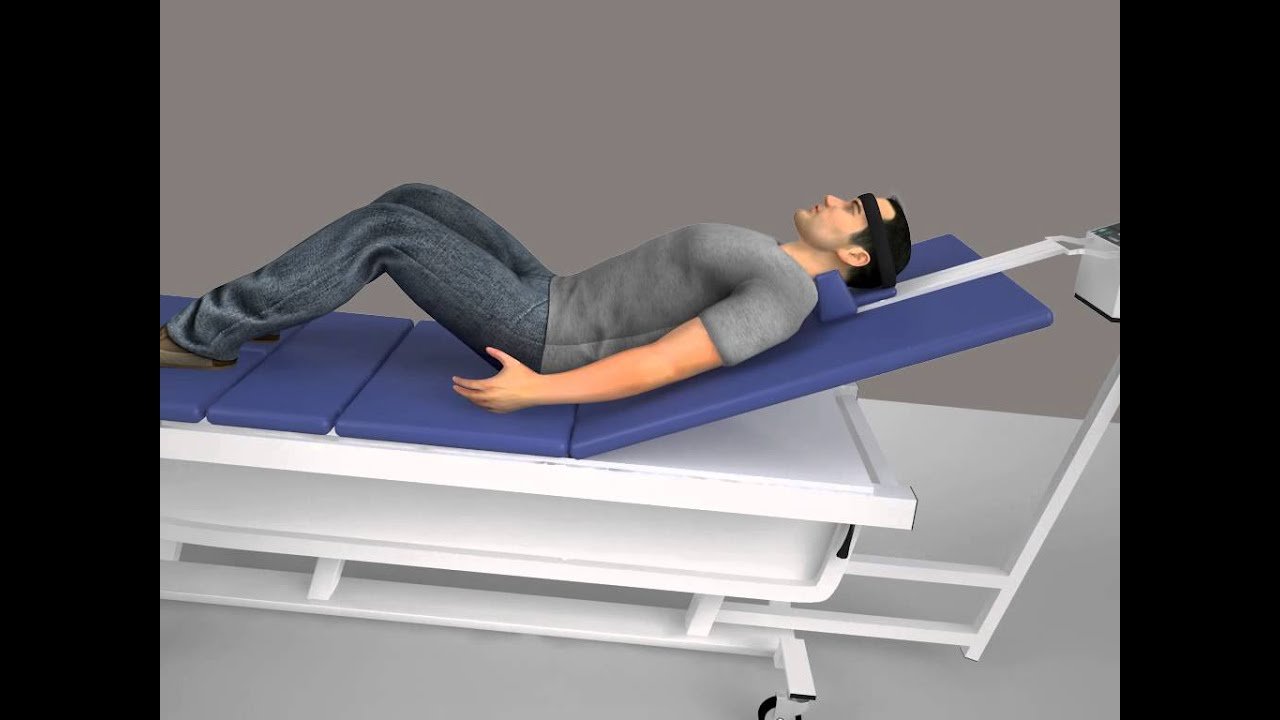
Office workers are among the most vulnerable populations for neck pain and cervical dysfunction. Hours spent sitting at a desk and staring at a screen take a serious toll. The cervical spine bears the weight of the head, which averages about 12 pounds. Forward head posture, which is common in office workers, multiplies this load dramatically. As the head shifts forward, the effective weight on the cervical spine increases substantially. Over time, this creates disc compression, muscle tension, and joint degeneration in the neck.
Table Of Content
- Why Office Work Creates Cervical Spine Problems
- The Most Common Cervical Conditions in Office Workers
- What Is Cervical Decompression Therapy?
- How Cervical Decompression Differs From Lumbar Decompression
- Key Benefits of Cervical Decompression for Office Workers
- Relief From Chronic Neck Pain
- Reduction of Headaches Associated With Cervical Dysfunction
- Improved Posture and Cervical Alignment
- Relief From Arm Pain, Numbness, and Tingling
- Reduced Muscle Tension and Spasm
- Incorporating Cervical Decompression Into an Office Worker’s Life
- Combining Decompression With Workplace Ergonomic Changes
- Long-Term Benefits for Office Worker Health
- Conclusion
Why Office Work Creates Cervical Spine Problems
The modern office environment is not designed with spinal health in mind. Most workers sit for six to eight hours or more each workday. Static postures maintained for long periods create prolonged pressure on the cervical discs. Screens positioned too low or too far away encourage forward head posture constantly. Laptop use without a separate monitor or keyboard is particularly problematic.
Repetitive strain from mouse and keyboard use creates shoulder and upper neck tension. Phone use, especially looking down at a mobile device, accelerates cervical degeneration. These cumulative stressors add up over months and years of consistent office work. The result is often progressive cervical disc degeneration, herniation, or nerve compression. Without intervention, these conditions worsen and become increasingly difficult to treat.
The Most Common Cervical Conditions in Office Workers
Cervical disc herniation is frequently diagnosed in desk-based professionals. The herniated disc material compresses adjacent nerve roots in the cervical spine. This causes neck pain, shoulder pain, and arm symptoms including numbness. Cervical degenerative disc disease involves gradual deterioration of disc structure. Cervical radiculopathy describes the radiating nerve pain traveling from the neck into the arm. Text neck syndrome describes the postural cervical degeneration caused by prolonged screen use. All of these conditions are increasingly prevalent among full-time office workers globally.
What Is Cervical Decompression Therapy?
Cervical decompression therapy is a non-surgical, traction-based treatment for the neck. It uses specialized equipment to gently separate the cervical vertebrae. This separation creates negative intradiscal pressure within the cervical discs. The negative pressure encourages retraction of herniated or bulging disc material. It also restores fluid and nutrient supply to dehydrated and degenerated discs.
The therapy is typically administered by a licensed chiropractor or physiotherapist. Specialized cervical decompression harnesses or cradles position the head precisely. Computer-controlled traction forces are applied and released in rhythmic cycles. Each session typically lasts between 20 and 45 minutes per visit. A full treatment protocol spans multiple sessions over several weeks.
How Cervical Decompression Differs From Lumbar Decompression
Both cervical and lumbar decompression use similar mechanical principles. However, the equipment, positioning, and force parameters differ significantly. Cervical decompression uses far lighter traction forces due to the neck’s anatomy. The cervical spine is more delicate and houses critical vascular and neurological structures. Provider training and precision are therefore even more important in cervical treatment.
Cervical decompression specifically targets the C3 through C7 vertebral levels. These are the segments most commonly affected by office-related disc degeneration. Lumbar decompression targets the L1 through S1 region in the lower back. Both forms share the goal of restoring disc health and relieving nerve compression. Choosing the appropriate form depends entirely on where the patient’s pathology is located.
Key Benefits of Cervical Decompression for Office Workers
The benefits of cervical decompression are particularly relevant and impactful for desk-based professionals. Here are the most significant advantages for this patient population.
Relief From Chronic Neck Pain
Chronic neck pain is one of the most disruptive conditions for office workers. It limits concentration, reduces productivity, and makes long work days unbearable. Cervical decompression directly addresses the structural causes of this pain. By relieving disc compression and nerve irritation, it reduces pain at its source. Many office workers report dramatic improvements in neck pain within the first few sessions.
Unlike pain medication, decompression targets the structural problem causing the pain. This makes the relief more meaningful, longer-lasting, and potentially curative in nature. Office workers who have been managing pain with medication often reduce their usage. The ability to work comfortably and without constant pain improves overall job performance.
Reduction of Headaches Associated With Cervical Dysfunction
Many office workers suffer from frequent headaches originating in the cervical spine. Cervicogenic headaches stem from upper cervical joint restriction and muscular tension. They are often misdiagnosed as tension or migraine headaches in clinical practice. Cervical decompression addresses the joint and disc dysfunction causing these headaches. As cervical mechanics normalize, headache frequency and intensity typically decrease. Many office workers experience a dramatic reduction in headache occurrence with treatment.
Improved Posture and Cervical Alignment
Poor posture is both a cause and consequence of cervical disc dysfunction. Tight anterior neck structures and weak posterior muscles perpetuate forward head posture. Cervical decompression relieves the disc pressure that makes upright posture uncomfortable. As pain decreases, maintaining better postural alignment becomes far more achievable. Many providers combine decompression with postural re-education and ergonomic coaching. This integrated approach produces superior and more lasting postural improvements.
Relief From Arm Pain, Numbness, and Tingling
Cervical nerve root compression causes symptoms that travel into the arm and hand. Office workers may notice tingling or numbness in specific fingers related to their disc level. Arm weakness can develop in more severe cases of cervical radiculopathy. These neurological symptoms are often alarming and disruptive to fine motor work tasks. Cervical decompression relieves the root cause of these neurological symptoms directly. As disc material retracts and nerve pressure reduces, arm symptoms typically resolve.
Reduced Muscle Tension and Spasm
Chronic cervical disc dysfunction is accompanied by significant paraspinal muscle tension. The muscles surrounding a dysfunctional joint go into protective spasm reflexively. This muscular tension adds to the pain burden and restricts comfortable movement. Decompression relieves the underlying joint and disc dysfunction driving the spasm. As the structural source of tension is addressed, the muscles naturally relax. Many office workers notice significant improvement in shoulder and upper back tension as well.
Incorporating Cervical Decompression Into an Office Worker’s Life
One practical advantage of cervical decompression is its manageable time commitment. Sessions can be scheduled before or after standard work hours at many clinics. The therapy is passive, requiring no physical exertion from the patient during treatment. This is particularly convenient for busy professionals managing demanding work schedules.
Most sessions are completed within 30 to 45 minutes including preparation time. There is no recovery time required after a properly administered decompression session. Patients typically return to their normal work activities immediately afterward. This convenience removes one of the most common barriers to consistent treatment adherence. Regular attendance throughout the full treatment protocol is the most important success factor.
Combining Decompression With Workplace Ergonomic Changes
Cervical decompression is most effective when paired with meaningful workplace modifications. Continuing to expose the cervical spine to poor ergonomic conditions undermines treatment benefits. Workstation assessment and correction should accompany any cervical decompression program.
Monitor height should be set at or just below eye level to prevent downward gaze. A separate monitor, keyboard, and mouse for laptop users prevents prolonged forward neck flexion. Chair height and armrest position should support neutral shoulder and elbow alignment. Regular movement breaks of at least five minutes every hour reduce cumulative cervical loading. Lumbar support that promotes upright spinal posture also benefits the cervical alignment.
Choosing a provider who combines Cervical decompression therapy with ergonomic guidance and postural education ensures that the structural gains from treatment are protected and sustained in the workplace environment.
Long-Term Benefits for Office Worker Health
The long-term benefits of cervical decompression extend beyond immediate pain relief. Improved disc health slows the progression of degenerative changes in the cervical spine. This is particularly important for office workers who have decades of desk work ahead. Preserving disc integrity now reduces the likelihood of severe degeneration later. Many patients who complete decompression treatment report sustained relief over years.
Ongoing maintenance sessions after the primary treatment protocol can prevent recurrence. Periodic visits help maintain cervical disc health and joint mobility over time. Combined with good workplace ergonomics and postural habits, cervical health is maintained. The investment in early cervical decompression treatment pays dividends in long-term health.
Conclusion
Cervical decompression therapy offers profound and specific benefits for office workers with neck pain. It addresses the structural disc and nerve causes of their symptoms directly. Relief from neck pain, headaches, arm symptoms, and muscle tension are all achievable outcomes. The practical convenience of treatment fits well within a working professional’s schedule. Combined with ergonomic improvements and postural education, the results are comprehensive and lasting.



No Comment! Be the first one.