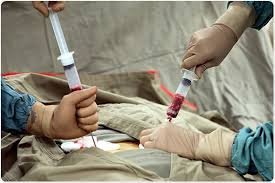
A bone marrow transplant is a specialised treatment used for certain blood-related conditions in which the body cannot produce healthy blood cells. It involves replacing damaged bone marrow with healthy stem cells to restore normal function. This treatment is often considered when other therapies do not provide the expected results. Understanding the procedure, its risks, recovery process, and outcomes helps patients and families make well-informed decisions.
When exploring options for the best bone marrow transplant in India patients often compare factors such as medical expertise, treatment approach, and post-procedure care. Over the decades, India has developed strong capabilities in this field, with experienced specialists and well-equipped hospitals, like BLK-Max Super Speciality Hospital, supporting patients through each stage of treatment.
What Is a Bone Marrow Transplant?
Bone marrow is the soft tissue inside bones that produces blood cells. When it does not function properly, it can affect the body’s ability to carry oxygen and fight infections.
A bone marrow transplant involves introducing healthy stem cells into the bloodstream. These cells travel to the bone marrow and begin producing new blood cells. There are two main types of transplant:
- Autologous transplant, where the patient’s own stem cells are used
- Allogeneic transplant, where stem cells come from a donor
The choice depends on the condition being treated and the patient’s overall health. Before the procedure, patients usually undergo a detailed assessment. This may include blood tests, imaging, and assessments of organ function to ensure the body can withstand the transplant process.
Conditions That May Require a Transplant
Bone marrow transplantation is commonly used to treat certain diseases that affect the blood or immune system. These include:
- Blood cancers such as leukaemia and lymphoma
- Bone marrow failure conditions like aplastic anaemia
- Genetic disorders such as thalassaemia
- Some immune-related disorders
Doctors assess each case carefully before recommending a transplant. Early diagnosis and timely planning can improve treatment outcomes. In some cases, a transplant may be considered as part of a long-term treatment strategy when standard therapies do not provide sustained results.
Risks Associated With Bone Marrow Transplant
Bone marrow transplant is a complex procedure and may involve certain risks. These risks vary depending on the type of transplant and the patient’s condition.
Some commonly observed risks include:
- Infections, as the immune system becomes weak after the procedure
- Graft-versus-host disease, where donor cells may react against the patient’s body
- Bleeding complications due to low platelet levels
- Organ-related issues, which may affect the liver or lungs
Medical teams monitor patients closely to manage these risks. Careful donor matching and supportive care help reduce complications. Patients are also given medications to reduce the risk of immune reactions and support the body during the recovery phase.
Recovery After a Bone Marrow Transplant
Recovery from a bone marrow transplant takes time and requires consistent follow-up. The initial phase usually takes place in a hospital, where patients receive continuous care.
During this period:
- Blood counts are monitored regularly
- Patients receive medications to prevent infections
- Supportive care is provided to aid recovery
After discharge, patients continue their recovery at home with regular medical visits. They are advised to follow certain precautions, such as avoiding crowded environments, maintaining personal hygiene, and adhering to dietary guidance recommended by doctors.
Recovery timelines may vary. Some patients recover within a few months, while others may take longer, depending on their condition. Emotional support and counselling may also be helpful during this phase, as patients adjust to changes in their routine and health status.
Outcomes and Success Factors
The outcomes of a bone marrow transplant depend on several factors. These include the type of disease, the stage at diagnosis, and the patient’s overall health.
Key factors that influence outcomes include:
- Availability of a well-matched donor
- Type of transplant performed
- Response to treatment before the transplant
- Quality of follow-up care
With proper planning and monitoring, many patients experience improvement in blood cell function and overall health. In some cases, long-term follow-up is required to track recovery and manage any delayed effects of the treatment.
Why Patients Choose India for Bone Marrow Transplant
India has become a recognised destination for advanced medical treatments, including bone marrow transplants. Several factors contribute to this preference.
Patients often choose India due to:
- Availability of experienced transplant specialists
- Access to modern diagnostic and treatment facilities
- Cost-effective treatment compared to many other countries
- Support services for both domestic and international patients
For those considering the best bone marrow transplant in India, these factors play an important role in decision-making. The presence of multidisciplinary teams also ensures that patients receive coordinated care throughout the treatment process.
Conclusion
Bone marrow transplant offers an effective treatment option for several serious blood-related conditions. While the procedure involves certain risks, careful medical supervision helps manage them. Recovery requires time, consistent follow-up, and adherence to medical advice. Outcomes depend on multiple factors, including early diagnosis and the patient’s overall health. With access to skilled specialists and well-developed healthcare systems, patients can explore suitable treatment options and move forward with greater clarity and confidence.

Sign up