


BMS Cables for Smart Buildings | Reliable Solutions
As buildings become more connected and automated, the need for reliable communication infrastructure has grown significantly. Whether it’s a commercial complex, hospital, airport, or residential...

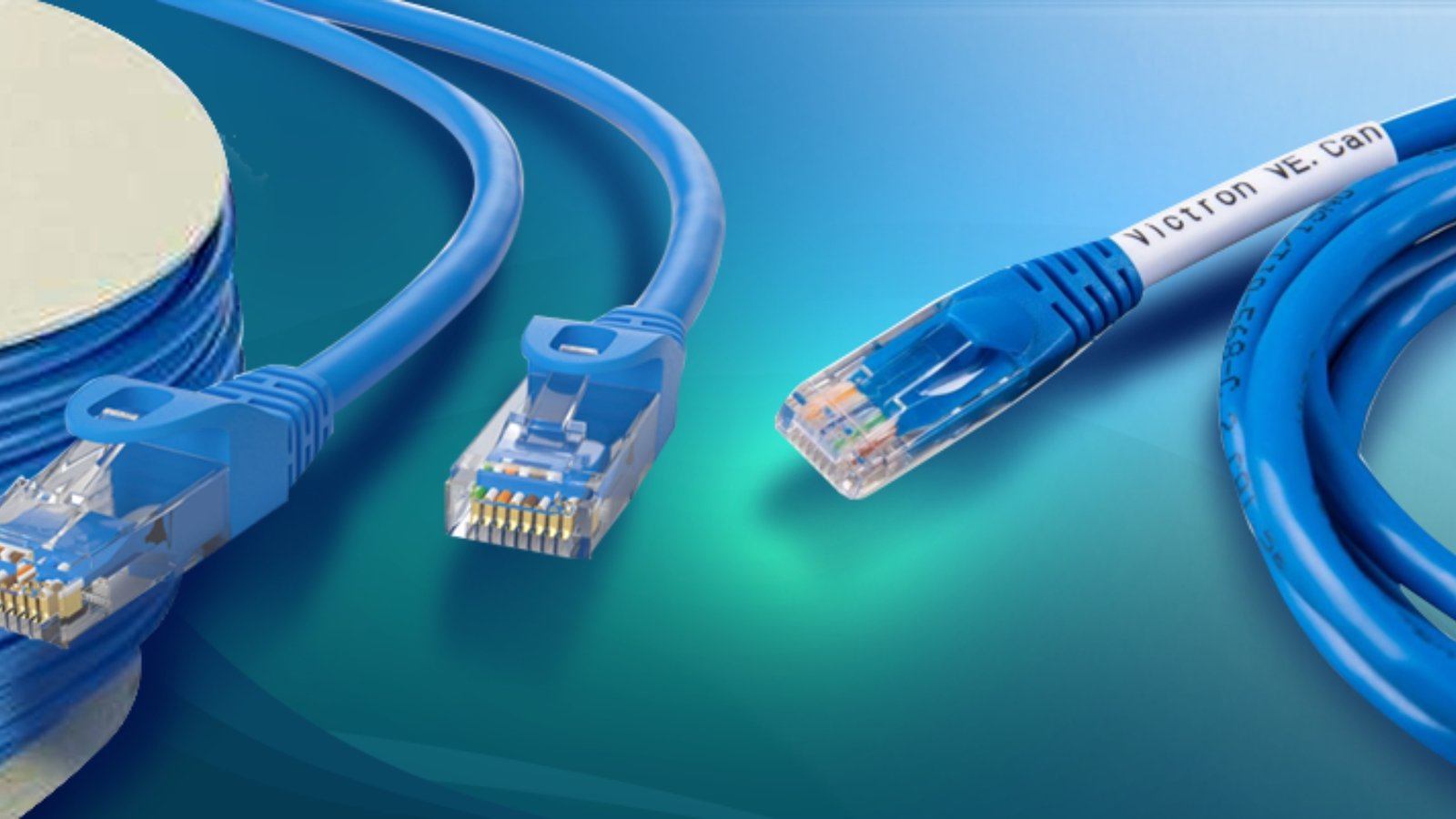
As buildings become more connected and automated, the need for reliable communication infrastructure has grown significantly. Whether it’s a commercial complex, hospital, airport, or residential tower, every smart system depends on one core element: BMS cables.
Table Of Content
- What Are BMS Cables and Why Do They Matter?
- Where BMS Cables Are Used in Real Projects
- HVAC Control Systems
- Lighting Automation
- Fire Alarm and Safety Systems
- Security and Surveillance
- Energy Monitoring Systems
- Key Features That Define High-Quality BMS Cables
- How BMS Cables Improve Efficiency and Cost Savings
- Choosing the Right Supplier for BMS Cables
- Best Practices for Installation and Long-Term Performance
- Conclusion
These cables are not just wiring. They are critical to how efficiently and safely a building operates. If you’re sourcing or specifying cables for a project, understanding their role will help you make better decisions.
What Are BMS Cables and Why Do They Matter?
BMS (Building Management System) cables are designed to carry signals between different building systems such as HVAC, lighting, fire alarms, and security controls.
From practical project experience, one thing is clear: even the most advanced automation system fails without reliable signal transmission. Poor cable quality often leads to data loss, interference, or system downtime. That’s why BMS cables are treated as a core infrastructure component rather than a secondary accessory.
Where BMS Cables Are Used in Real Projects
BMS cables support multiple systems working together in real time. Some of the most common applications include:
HVAC Control Systems
They connect temperature sensors, actuators, and controllers to maintain optimal indoor conditions.
Lighting Automation
Used for centralized lighting systems that reduce energy consumption and improve efficiency.
Fire Alarm and Safety Systems
Reliable cabling ensures fast signal transmission during emergencies, which can be critical for safety compliance.
Security and Surveillance
CCTV, access control, and intrusion systems depend on stable signal communication.
Energy Monitoring Systems
Enable real-time tracking of energy usage, helping reduce operational costs.
In large-scale infrastructure projects, these systems must run continuously. That’s why cable performance directly impacts overall building reliability.
Types of BMS Cables You Should Know
Choosing the right type of cable depends on the environment and system requirements. Common types include:
- Shielded Cables – Ideal for environments with high electromagnetic interference
- Unshielded Cables – Suitable for standard indoor applications
- Armoured Cables – Used in outdoor or industrial environments where mechanical protection is needed
- LSZH / FRLS Cables – Designed for fire safety, emitting low smoke and toxic gases
In many commercial projects, LSZH cables are preferred because they meet strict safety regulations.
Key Features That Define High-Quality BMS Cables
Not all cables are built the same. Based on industry standards and real-world usage, these features matter most:
- Consistent signal transmission without data loss
- Strong insulation for electrical and environmental protection
- Resistance to interference and noise
- Fire-resistant and low-smoke properties
- Compliance with international safety standards
Using substandard cables may reduce initial costs but often leads to higher maintenance and system failures over time.
How BMS Cables Improve Efficiency and Cost Savings
A well-designed BMS network does more than just connect systems. It actively improves building performance.
- Energy Optimization – Automated systems reduce unnecessary power usage
- Reduced Downtime – Reliable cabling minimizes system failures
- Lower Maintenance Costs – Durable cables last longer and require fewer replacements
- Better System Integration – Smooth communication between multiple building systems
In long-term operations, the right cable infrastructure can significantly reduce operational expenses.
Choosing the Right Supplier for BMS Cables
One of the most overlooked aspects of procurement is supplier reliability. It’s not just about product availability but also technical support, compliance, and consistency.
A trustworthy supplier should provide:
- Verified product specifications
- Compliance with safety standards
- Consistent quality across batches
- Support for large-scale or custom requirements
If you’re evaluating options, you can explore a wide range of solutions here:
https://www.digitalstout.com/categories/bms-cables/5843197000004769010
This category includes cables suited for various building automation needs, from basic setups to complex infrastructure projects.
Best Practices for Installation and Long-Term Performance
Even high-quality cables can underperform if installed incorrectly. Based on industry practice, consider these tips:
- Avoid tight bends that can damage internal conductors
- Use proper shielding and grounding techniques
- Keep signal cables separate from power cables
- Follow manufacturer guidelines for installation
- Conduct testing before system activation
These small steps can significantly improve system reliability and lifespan.
Conclusion
BMS cables are a foundational part of modern building infrastructure. They support everything from energy efficiency to safety systems, making them essential for any smart building project.
If you’re planning or upgrading a building management system, don’t treat cabling as an afterthought. The right choice will improve performance, reduce risks, and ensure long-term reliability.
Investing in quality BMS cables today means fewer problems and better efficiency tomorrow.




No Comment! Be the first one.