


Can We Bridge The Gap In Healthcare For Vulnerable People?
The true weight of a community’s struggle is often felt in the quiet corners of a waiting room. In 2026, the global medical landscape is facing a pivotal moment where the divide between the...

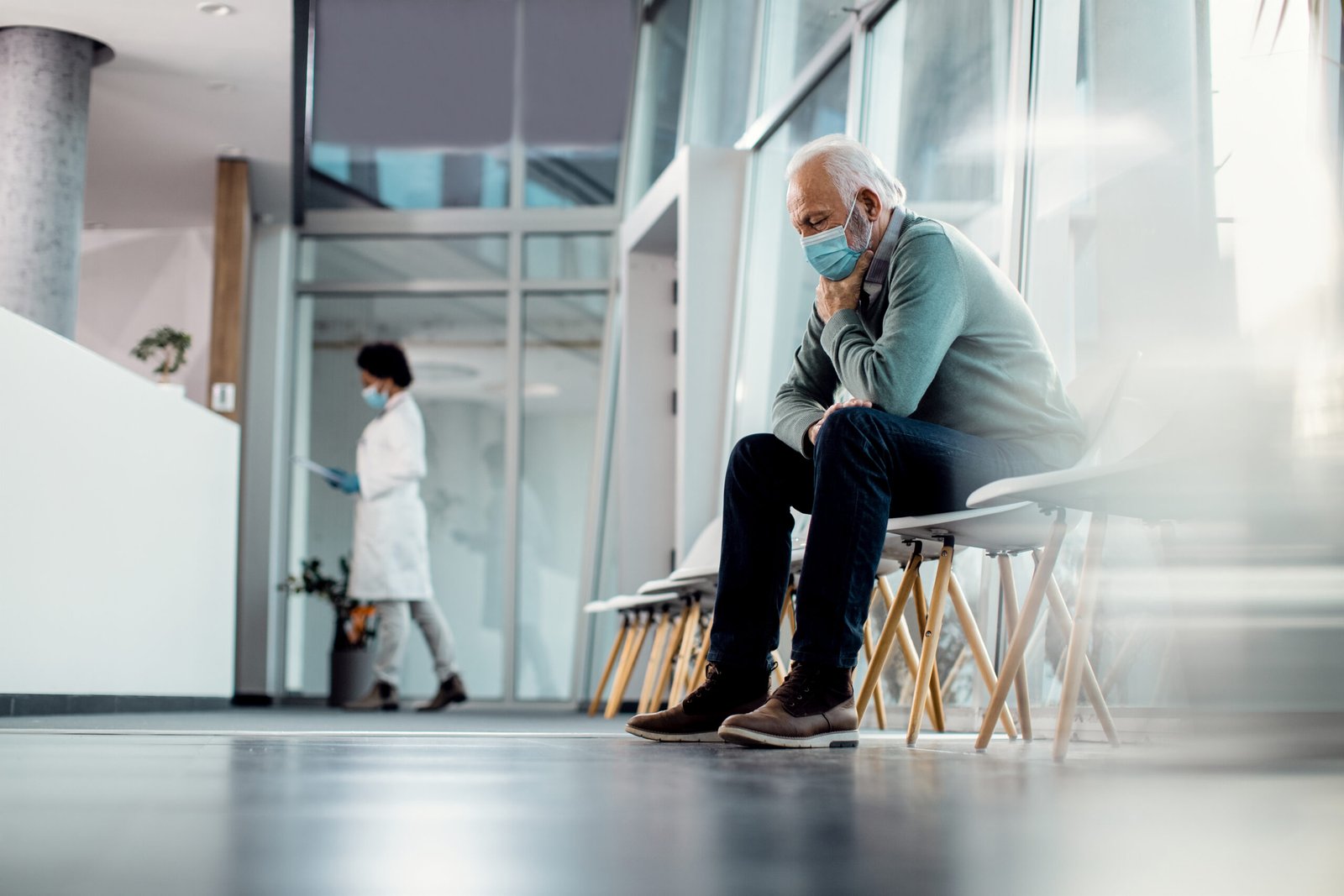
The true weight of a community’s struggle is often felt in the quiet corners of a waiting room. In 2026, the global medical landscape is facing a pivotal moment where the divide between the haves and the have-nots has never been more visible. For families living in remote or impoverished regions, a simple fever can spiral into a life-altering event because a doctor is simply too far away or too expensive to reach. It is a reality that calls for more than just sympathy; it requires a hands-on approach to bringing healing where it is needed most.
Table Of Content
Navigating The Reality Of The Global Healthcare Crisis
We are currently witnessing a massive healthcare crisis that spans across borders, fueled by inflation and a shortage of trained professionals in rural areas. While modern medicine has made incredible leaps in technology, the distribution of that care remains uneven. According to the 2025 health reports, nearly half of the world’s population still lacks full coverage for essential health services. In many developing nations, the cost of a single surgery can push a family into a lifetime of debt. This isn’t just a logistical problem. It is a human one.
When the local clinic closes its doors or runs out of medicine, the burden falls on the most vulnerable. This healthcare crisis is further complicated by the rise of chronic illnesses like diabetes and hypertension, which require long-term management that many systems are not equipped to provide. Experts suggest that without a massive shift toward community-based care, the gap will only continue to widen, leaving millions behind in the shadows of progress.
The Immediate Impact Of A Free Medical Camp
In the face of these systemic challenges, localized interventions offer a glimmer of hope. A free camp acts as a lifeline for those who have spent months or even years ignoring their symptoms because they couldn’t afford a check-up. These camps are more than just a temporary tent; they are hubs of dignity. For one day, a laborer or a widow can sit across from a specialist, receive a professional diagnosis, and walk away with the medication they need at no cost.
The success of a free medical camp depends on the dedication of volunteer doctors and nurses who give their time to serve. Imagine a line of hundreds of people, some traveling for miles on foot, just to have their blood pressure checked or their vision tested. These events often uncover serious conditions early enough to be treated, preventing future tragedies. It is a raw, powerful example of what happens when humanity decides that health should not be a luxury restricted to the wealthy.
Driving Change Through Targeted Donations Charity
Good intentions are a start, but sustained medical care requires resources. This is where the power of donations to charity comes into play. Every penny contributed goes toward the purchase of high-quality medicines, surgical supplies, and diagnostic tools. In 2026, donors are becoming more conscious of where their money goes, seeking transparency and direct impact. They want to know that their contribution actually bought the antibiotics for a child or the ultrasound machine for a rural maternity ward.
The beauty of a well-run donations charity is that it allows ordinary people to participate in a massive global effort. You don’t have to be a surgeon to save a life. By funding a mobile clinic or a vaccination drive, a person sitting thousands of miles away can directly influence the survival of a community they may never visit. Public health experts agree that private contributions are often the most flexible and fastest way to respond to medical emergencies when official government channels are slowed by bureaucracy.
Why Community Health Integration Matters
Treating the symptoms is important, but preventing the illness is the ultimate goal. Modern humanitarian efforts are moving toward health education as a core component of outreach. This means teaching families about clean water, sanitation, and the importance of early childhood vaccinations. When a community understands how to protect itself, the strain on the entire medical system begins to ease.
Statistics show that for every dollar invested in preventative care and community outreach, up to thirty dollars are saved in emergency medical costs down the line. It is a smart, sustainable investment in human potential. When people are healthy, they can go to work, children can attend school, and the cycle of poverty begins to break. It is a ripple effect that starts with a single patient and ends with a transformed society.
A Call For Collective Compassion
The road ahead is certainly difficult, but it is not impossible to navigate. As we move deeper into 2026, the focus must remain on the individual stories of survival and hope. Every person deserves the chance to live a life free from preventable pain.
By supporting the efforts that bring doctors to the doorstep of the poor, we are making a statement about the kind of world we want to live in. It is a world where compassion knows no borders and where a person’s health is valued above their bank balance. Let’s keep pushing for a future where quality care is a right, not a privilege.
Frequently Asked Questions
How can I be sure that my contribution is used effectively?
Look for groups that provide detailed impact reports and have a clear history of working on the ground. Legitimate efforts will always be transparent about their spending, showing exactly how many patients were treated and what supplies were purchased with the funds.
What kind of medical services are usually offered at mobile clinics?
Most camps focus on general check-ups, pediatrics, eye exams, and basic dentistry. They also often provide screening for common chronic diseases like diabetes and offer free prescriptions for common infections.
Can non-medical volunteers help in these healthcare initiatives?
Yes, definitely. Volunteers are needed for everything from organizing the crowd and registration to logistics and data entry. A medical drive is a massive team effort that requires many hands to run smoothly.
Why is preventative care often emphasized over emergency treatment?
Preventative care is far less expensive and much more effective in the long run. By catching a condition like high blood pressure early, you can prevent a stroke or heart attack, which would be much harder and costlier to treat later.
Do these medical camps provide long-term follow-up care for patients?
The best initiatives partner with local clinics to ensure that patients with chronic issues have a place to go after the camp ends. This referral system is vital for ensuring that a patient’s recovery continues long after the volunteers have moved on.

No Comment! Be the first one.