


Child Physiotherapy Support for Better Physical Strength
Physical strength is a fundamental building block of child health. It supports posture, movement, play, and independence. Children who lack adequate strength face challenges in many daily activities....

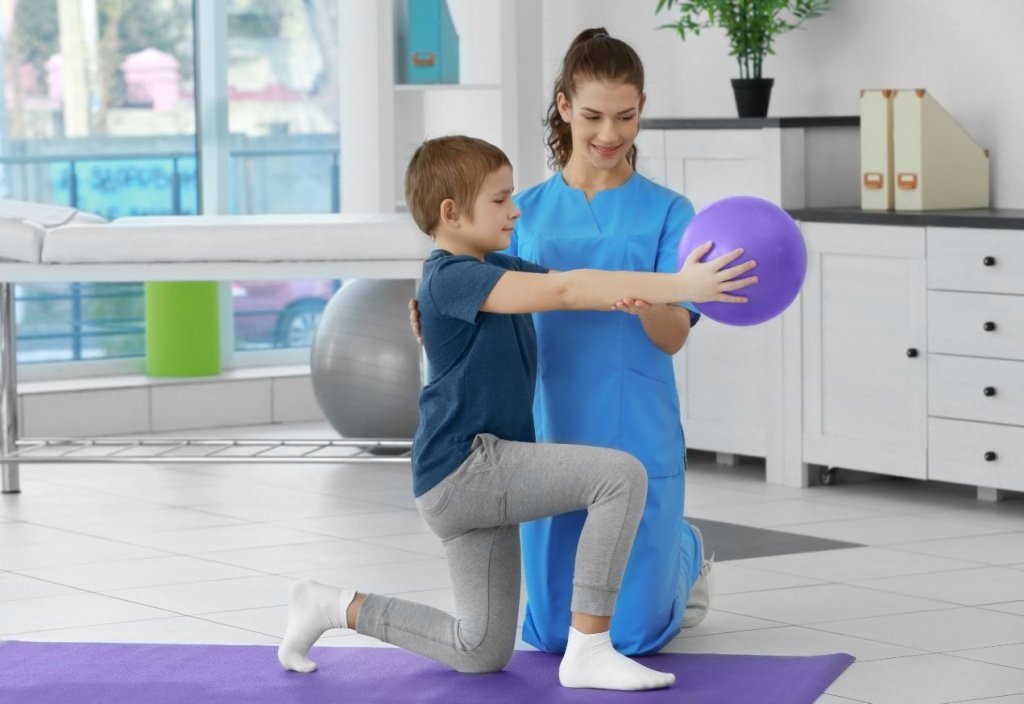
Physical strength is a fundamental building block of child health. It supports posture, movement, play, and independence. Children who lack adequate strength face challenges in many daily activities. Simple tasks like sitting upright, climbing, and carrying become effortful. Physiotherapy specifically targets physical strength development in children. It uses safe, evidence-based methods appropriate for growing bodies. This article explores how child physiotherapy support builds better physical strength. It also explains why building strength early matters for long-term health.
Table Of Content
- The Importance of Physical Strength in Child Development
- How Muscle Strength Affects Everyday Function
- Conditions That Cause Physical Weakness in Children
- Hypotonia
- Cerebral Palsy and Muscle Function
- Prolonged Illness and Hospitalisation
- Physiotherapy Techniques for Building Physical Strength
- Body Weight Strengthening Exercises
- Core Stability Training
- Resistance and Load-Based Exercises
- Strengthening the Upper Limbs for Daily Function
- Shoulder Stability and Arm Strengthening
- Making Strength Training Fun and Sustainable
- The Importance of Home Exercise for Strength Development
- Long-Term Benefits of Building Strength in Childhood
- Final Thoughts
The Importance of Physical Strength in Child Development
Strength development in children begins in infancy and continues throughout adolescence. Babies develop neck and shoulder strength through tummy time. Core strength develops through rolling, sitting, and early standing. Limb strength grows through crawling, climbing, and active play. Each stage of strength development prepares the body for the next challenge. Without adequate strength, children cannot achieve developmental milestones on time. Physiotherapy supports this progression by identifying and addressing strength deficits. Early intervention produces the fastest and most lasting physical improvements.
How Muscle Strength Affects Everyday Function
Muscle strength directly influences every aspect of a child’s daily function. Adequate core strength supports upright sitting at a school desk. Lower limb strength enables confident walking, running, and stair climbing. Upper limb strength supports writing, carrying, and dressing independently. Children who lack strength in any of these areas face daily functional challenges. They tire more easily and may avoid activities that highlight their limitations. Physiotherapy targets these specific areas with focused, progressive exercises. Improvements in strength lead directly to improvements in function and confidence.
Conditions That Cause Physical Weakness in Children
Physical weakness in children can result from many different causes. Understanding the underlying cause is essential for effective treatment. Physiotherapists identify the cause through comprehensive clinical assessment.
Hypotonia
Hypotonia is characterised by reduced muscle tone in affected children. Children with hypotonia appear floppy and have poor postural control. They often reach developmental milestones later than their peers. Feeding, breathing, and fine motor tasks can all be affected. Physiotherapy directly addresses the muscle weakness associated with hypotonia. Strengthening exercises are carefully selected to match the child’s current ability. Progress in children with hypotonia is often remarkable with consistent therapy. Early referral and treatment produce the best long-term functional outcomes.
Cerebral Palsy and Muscle Function
Cerebral palsy affects muscle control, tone, and strength variability. Some children present with spasticity, while others have hypotonia. Both affect physical strength and functional movement in different ways. Physiotherapy is a cornerstone of cerebral palsy management globally. It addresses muscle imbalances and builds functional strength progressively. Strengthening the weaker muscle groups improves movement quality and independence. Intensive physiotherapy programmes produce the most significant strength gains. Children with cerebral palsy can achieve remarkable functional improvements with dedicated support.
Prolonged Illness and Hospitalisation
Extended illness or hospitalisation causes significant deconditioning in children. Even short periods of inactivity cause measurable muscle strength loss. Post-illness physiotherapy rebuilds strength safely and progressively. Exercise intensity is carefully calibrated to the child’s current tolerance. Rebuilding strength after illness requires patience and systematic progression. Children typically regain strength relatively quickly with appropriate support. Parents play an important role in motivating children during recovery. Physiotherapy during and after illness prevents long-term functional decline.
Physiotherapy Techniques for Building Physical Strength
Modern paediatric physiotherapy uses a variety of evidence-based strengthening techniques. All methods are adapted to be safe, engaging, and age-appropriate. Safety and progressive overload are always the guiding principles.
Body Weight Strengthening Exercises
Body weight exercises are the safest starting point for children. They use the child’s own body weight as resistance. Squats, lunges, and step-ups target lower limb muscle groups. Push-ups and bear crawls strengthen the upper limbs and core. These exercises are highly functional and directly relevant to daily activities. Therapists ensure proper technique before increasing exercise difficulty. Progressions are introduced as the child demonstrates competence and strength. Body weight exercises produce excellent strength gains without specialist equipment.
Core Stability Training
Core strength is the foundation of all physical function in children. A strong core supports upright posture during seated and standing activities. It stabilises the spine during all dynamic movements and activities. Children with weak cores tire quickly and develop poor postural habits. Core training involves exercises targeting the deep and superficial trunk muscles. The bridge, plank, and dead bug are effective core training exercises. These exercises are introduced using engaging and playful imagery. Children respond well to animal-themed exercises like the plank and the crab walk.
Resistance and Load-Based Exercises
As children grow stronger, resistance exercises are introduced. Light resistance bands provide graded challenge to specific muscle groups. Therapists use resistance to target hip abductors, quadriceps, and shoulder muscles. Increased resistance is only applied when technique is consistently correct. Progressive loading drives continued strength adaptation over time. Therapists monitor closely for signs of fatigue or compensatory movement. Resistance exercises improve both muscle strength and endurance simultaneously. Children who complete resistance programmes develop robust and functional physical strength.
Strengthening the Upper Limbs for Daily Function
Upper limb strength is often overlooked in paediatric physiotherapy. Yet it is essential for writing, self-care, and classroom participation. Children with weak arms and shoulders struggle with many school-related tasks.
Shoulder Stability and Arm Strengthening
Shoulder stability exercises prevent pain and support overhead activities. Scapular retraction exercises strengthen the muscles that stabilise the shoulder blade. Supported push-up progressions build chest and triceps strength effectively. Carrying weighted objects builds functional upper limb strength in context. Climbing activities on playground equipment are excellent upper limb strengtheners. Therapists incorporate these activities naturally into treatment sessions. Improved upper limb strength directly supports handwriting, art, and sports participation. Children often notice significant improvements in their classroom ability.
Making Strength Training Fun and Sustainable
Children are far more likely to engage when therapy is enjoyable. Physiotherapists use creative strategies to keep strength exercises engaging. Themed circuits, challenges, and games embed therapeutic exercises naturally. Music and countdowns add energy and motivation to exercise sets. Partner exercises involving parents or siblings increase social engagement. Reward systems and progress charts maintain motivation between sessions. Children who enjoy their sessions attend consistently and progress faster. Sustainable engagement is one of the most important factors in treatment success.
The Importance of Home Exercise for Strength Development
Clinic sessions are the starting point for strength development. Home practice is where the most meaningful gains are made. A qualified paediatrics physiotherapist creates personalised home programmes for every child. These programmes are simple enough for parents to supervise confidently. Short daily sessions of ten to fifteen minutes are ideal. Activities are embedded into daily routines like morning and evening play. Parents who practise consistently with their children see dramatically faster progress. The partnership between therapist and family is what drives the best outcomes.
Long-Term Benefits of Building Strength in Childhood
Children who build strength early enjoy lasting physical benefits throughout life. Strong muscles protect joints from injury during sport and daily activity. Good posture habits established in childhood persist into adulthood. Children who are physically strong participate more in sport and physical activity. Active participation builds cardiovascular fitness, bone density, and mental health. Strength developed during childhood creates a robust foundation for adult health. The long-term return on investment in childhood physiotherapy is extraordinary. Building strength early is one of the most powerful gifts parents can give their children.
Final Thoughts
Child physiotherapy is a powerful tool for building physical strength. It addresses the root causes of weakness through safe and targeted intervention. Every technique used is evidence-based and adapted for growing bodies. Early intervention consistently produces the best and most lasting outcomes. Children who build physical strength gain confidence, independence, and resilience. Seek physiotherapy support early if you notice physical weakness in your child. Therapists will design a programme that is effective, engaging, and achievable. Your child’s physical strength is the foundation for everything else they will achieve.

No Comment! Be the first one.