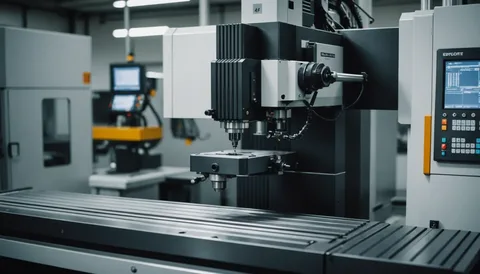
Selecting the right CNC milling machine is a crucial decision for any workshop aiming to enhance productivity, precision, and efficiency. Whether you are a small business owner, a hobbyist, or managing a large manufacturing facility, the right machine can significantly impact your output quality and operational costs. With various models, features, and price points available, making the right choice requires a clear understanding of your specific needs and long-term goals.
In this guide, we will explore the key factors to consider when choosing the best CNC milling machine for your workshop, helping you make a smart and informed investment.
Understanding Your Workshop Needs
Before purchasing a CNC milling machine, it is essential to evaluate your workshop’s specific requirements. The type of materials you work with, the complexity of your projects, and production volume all play a role in determining the right machine. For instance, a small workshop focusing on prototyping may not need the same level of power or automation as a high-volume production facility.
Additionally, consider the available space in your workshop. CNC milling machines come in various sizes, from compact desktop units to large industrial machines. Ensuring that the machine fits comfortably within your workspace while allowing room for operation and maintenance is vital.
Key considerations:
- Type of materials (metal, plastic, wood)
- Production volume and workload
- Available workshop space
- Level of precision required
- Future scalability needs
Types of CNC Milling Machines
Understanding the different types of CNC milling machines can help you narrow down your options. Each type is designed for specific applications and offers unique advantages. Common types include vertical milling machines, horizontal milling machines, and multi-axis machines, each catering to different levels of complexity and precision.
Vertical CNC milling machines are widely used due to their versatility and ease of use, making them ideal for beginners and general-purpose tasks. On the other hand, horizontal machines are better suited for heavy-duty operations and larger projects. Multi-axis machines, such as 4-axis or 5-axis models, provide advanced capabilities for complex designs and intricate parts.
Common types include:
- Vertical CNC milling machines
- Horizontal CNC milling machines
- 3-axis, 4-axis, and 5-axis machines
- Benchtop and industrial-grade machines
- Specialized milling machines for niche applications
Evaluating Machine Specifications
When choosing a CNC milling machine, paying attention to technical specifications is essential. Key specifications such as spindle speed, power, travel range, and tool capacity directly affect the machine’s performance and suitability for your projects. A machine with higher spindle speed and power can handle tougher materials and deliver faster results.
Another important factor is the machine’s control system. Modern CNC milling machines come with user-friendly interfaces and advanced software that enhance precision and ease of operation. Compatibility with CAD/CAM software is also crucial for seamless workflow integration.
Important specifications to review:
- Spindle speed and motor power
- Axis travel (X, Y, Z dimensions)
- Tool capacity and changer type
- Control system and software compatibility
- Build quality and rigidity
Budget and Cost Considerations
Budget plays a significant role when selecting a CNC milling machine. While it may be tempting to choose the cheapest option, it is important to consider long-term value rather than just upfront cost. A higher-quality machine may require a larger initial investment but can save money over time through improved efficiency, durability, and reduced maintenance.
In addition to the purchase price, factor in other costs such as installation, tooling, maintenance, and training. Understanding the total cost of ownership will help you make a more informed decision and avoid unexpected expenses down the line.
Cost factors to consider:
- Initial purchase price
- Installation and setup costs
- Maintenance and repair expenses
- Tooling and accessories
- Training and operational costs
Ease of Use and Maintenance
Ease of use is another critical factor, especially if your team has varying levels of experience. A CNC milling machine with an intuitive interface and straightforward controls can significantly reduce the learning curve and improve productivity. Machines with automated features and pre-programmed settings can also streamline operations.
Maintenance is equally important for ensuring long-term performance. Choosing a machine that is easy to maintain and comes with reliable customer support can minimize downtime and extend its lifespan. Regular maintenance schedules and availability of spare parts should also be considered.
Ease and maintenance factors:
- User-friendly control interface
- Availability of training resources
- Automation and smart features
- Maintenance requirements
- Access to technical support and spare parts
Conclusion
Choosing the best CNC milling machine for your workshop requires careful planning and consideration of multiple factors. From understanding your workshop needs to evaluating machine types, specifications, and budget, each aspect plays a crucial role in making the right decision. Investing in the right CNC milling machine not only improves efficiency and precision but also positions your workshop for long-term growth and success.
By taking the time to assess your requirements and compare available options, you can confidently select a CNC milling machine that meets your needs and delivers excellent performance for years to come.

Leave a Comment