


Complete Ayurvedic Healthcare: Ancient Wisdom for Modern Wellness
In a world full of quick fixes and pills, many folks crave something deeper for their health. Ayurveda, an ancient practice from India over 5,000 years old, offers just that. It sees health as a...

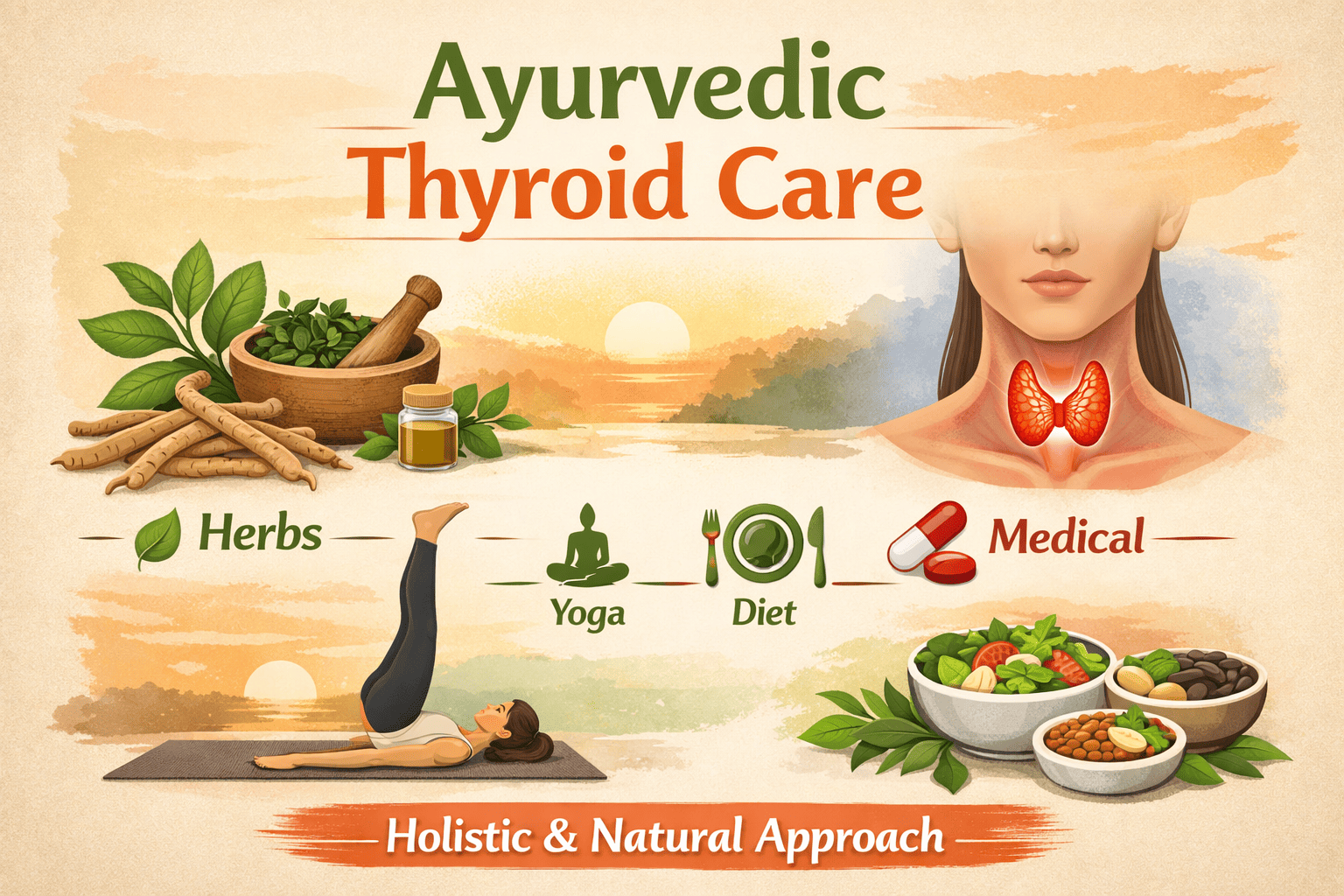
In a world full of quick fixes and pills, many folks crave something deeper for their health. Ayurveda, an ancient practice from India over 5,000 years old, offers just that. It sees health as a balance of mind, body, and spirit, not just patching up symptoms like modern medicine often does.
Table Of Content
- Understanding the Foundational Principles of Ayurvedic Healthcare
- The Tridosha Theory: Personalized Constitution Mapping (Prakriti)
- Agni: The Digestive Fire as the Root of Health
- Dhatus and Malas: The Seven Tissues and Elimination Channels
- The Pillars of Ayurvedic Treatment Modalities
- Dinacharya and Ritucharya: Daily and Seasonal Alignment
- Ayurvedic Nutrition (Ahara): Food as Medicine
- Herbalism and Formulation: The Power of Single and Compound Herbs
- Advanced Panchakarma Therapy: Deep Detoxification and Rejuvenation
- Understanding Accumulated Toxins (Ama)
- The Five Actions: Overview of Virechana, Vamana, Basti, Nasya, and Raktamokshana
- Post-Therapy Care (Paschatkarma)
- Integrating Ayurveda with Modern Healthcare
- Bridging the Gap: Complementary Approaches
- Mind-Body Connection: Yoga, Pranayama, and Meditation
- Conclusion: Your Personalized Path to Lifelong Ayurvedic Wellness
Complete Ayurvedic healthcare means tuning into your unique makeup to prevent issues before they start. At its heart lies the idea of doshas—three energies that shape who you are. Think of them as your body’s personal blueprint. By knowing your dosha, you can craft a life that keeps you strong and calm. This guide walks you through it all, from basics to deep cleanses, so you can weave Ayurveda into your days for real, lasting wellness.
Understanding the Foundational Principles of Ayurvedic Healthcare
Ayurveda starts with core ideas that explain how your body works. These principles guide everything from what you eat to how you move. They make health personal, not one-size-fits-all.
The Tridosha Theory: Personalized Constitution Mapping (Prakriti)
Your prakriti is your natural dosha mix, set at birth. It maps out your strengths and weak spots. Spotting it helps you pick foods and habits that fit you like a glove.
Vata dosha ties to air and space. It rules movement, like breathing and blood flow. People high in Vata often feel creative but can get anxious or dry-skinned. They thrive on warm, oily foods and steady routines.
Pitta dosha links to fire and water. It handles digestion and smarts. Pitta types shine in leadership yet might snap under heat or stress. Cool, sweet eats calm them down.
Kapha dosha comes from earth and water. It builds structure, like muscles and joints. Kapha folks stay loyal and strong but risk weight gain or sluggishness. Light, spicy meals keep them lively.
Each dosha has traits tied to seasons or times of day. Balance yours to dodge common woes. For example, too much Vata might spark insomnia, while excess Pitta fuels heartburn.
Agni: The Digestive Fire as the Root of Health
Agni is your inner fire that breaks down food and fights off junk. Strong agni turns meals into fuel for cells. Weak agni lets toxins build, leading to fatigue or illness.
Think of agni like a campfire. Feed it right, and it glows steady. Overload it, and smoke clouds everything. In Ayurveda, all sickness stems from poor agni creating ama, or gunk.
Signs of good agni include easy digestion and clear skin. You feel energized after eats. Weak agni shows in bloating, bad breath, or foggy thoughts. Boost it with ginger tea or small, warm meals. Skip cold drinks that douse the flame.
Dhatus and Malas: The Seven Tissues and Elimination Channels
Dhatus are your body’s seven layers, from plasma to reproductive cells. They form one by one, nourished by food. Healthy dhatus mean a solid you.
Rasa dhatu is your lymph and plasma—first line of nourishment. Rakta follows as blood. Mamsa builds muscle, meda stores fat, asthi forms bones, majja fills them, and shukra handles seeds of life.
Malas are waste paths: sweat, urine, stool. Clear them to avoid backups. Imbalance in dhatus sparks troubles—like weak rasa leading to swelling, or poor meda causing extra pounds. Proper care keeps tissues fresh and waste flowing free.
The Pillars of Ayurvedic Treatment Modalities
Ayurveda builds health on daily habits, smart eating, and nature’s helpers. These tools prevent imbalance before it hits. They turn wellness into a simple rhythm.
Dinacharya and Ritucharya: Daily and Seasonal Alignment
Dinacharya sets your daily flow to sync with nature’s clock. Ritucharya tweaks it for seasons. Both cut stress and boost energy without fancy gear.
Start mornings with tongue scraping to clear overnight buildup. Follow with oil pulling—swish sesame oil for 10 minutes to freshen breath and pull toxins. End prep with abhyanga, a warm oil self-massage. It soothes skin and calms nerves.
In winter, favor warm soups for Vata balance. Summer calls for cooling fruits to tame Pitta. Fall needs light spices against Kapha. Track seasons to adjust—it’s like dressing for the weather, but inside out.
Ayurvedic Nutrition (Ahara): Food as Medicine
Food in Ayurveda balances the six tastes: sweet, sour, salty, bitter, pungent, astringent. Each dosha needs a mix to stay even. It’s not just calories; it’s harmony.
Eat warm, cooked foods for Vata to ground airy energy. Pitta craves cool salads and dairy to cool fire. Kapha does best with bitter greens and spice to wake up earthiness.
Timing matters too. Big meal at lunch when agni peaks. Avoid mixing milk with fish—it muddies digestion. A Pitta-soothing lunch might be cucumber raita, while Vata gets hearty stew with ghee. Both use veggies, but prep shifts the effect.
Herbalism and Formulation: The Power of Single and Compound Herbs
Herbs in Ayurveda, called rasayanas, rebuild from within. Use them fresh or in blends for max punch. Always source from trusted spots to avoid fakes.
Ashwagandha eases stress and builds strength—great for Vata nerves. Triphala cleans guts gently, aiding all doshas. Turmeric fights swelling with its golden kick.
Compounds shine through synergy. Like Chyawanprash, a jam of herbs for immunity. Prep matters—traditional samskaras, or rituals, unlock their power. Start small; a daily turmeric latte works wonders for joints.
Advanced Panchakarma Therapy: Deep Detoxification and Rejuvenation
When daily tweaks fall short, Panchakarma steps in. This cleanse resets your system like a deep spring clean. It’s tailored, so no cookie-cutter plans.
Understanding Accumulated Toxins (Ama)
Ama is sticky waste from undigested food or stress. It clogs channels, breeding disease. Lifestyle fixes help, but built-up ama needs a pro push.
You spot ama in coated tongue, joint aches, or low mood. It slows everything, like sludge in pipes. Clear it to let energy flow again.
The Five Actions: Overview of Virechana, Vamana, Basti, Nasya, and Raktamokshana
Panchakarma’s five therapies target dosha excess. Virechana purges Pitta with herbs for liver and gut. Vamana induces vomiting to clear Kapha from lungs.
Basti uses enemas for Vata, often with oil or herbs. Nasya drips oil in nose for head clarity. Raktamokshana draws blood to ease heat buildup.
Prep with purvakarma: snehana oils you up, swedana sweats out junk. It’s all custom—your doc picks based on prakriti. Sessions last days, under expert watch.
Post-Therapy Care (Paschatkarma)
After cleanse, rebuild slow. Eat light kitchari rice for easy agni restart. Rest, walk gently, skip heavy lifts.
This phase locks in gains. Skip it, and ama creeps back. Follow for weeks to feel renewed, like a phone after a full charge.
Integrating Ayurveda with Modern Healthcare
Ayurveda pairs well with docs’ tools. It fills gaps in chronic care, like endless fatigue. Use it to amp up your overall plan.
Bridging the Gap: Complementary Approaches
Blend Ayurveda to ease chemo nausea or build post-surgery strength. It shines in gut woes and worry overload, where pills fall short.
The wellness market for Ayurveda hit $10 billion in 2025, per reports. More folks seek it for immunity boosts amid flu seasons. Chat with your MD to mix safely—it’s a team effort.
Mind-Body Connection: Yoga, Pranayama, and Meditation
Ayurveda links thoughts to tissues. Tense mind stirs body chaos. Yoga stretches doshas even, pranayama breathes calm.
For Vata anxiety, try alternate nostril breathing: close one side, inhale slow, switch. Hold four counts, exhale. Do five rounds.
Pitta heat? Cool breath: purse lips, fog a mirror gently. Kapha fog? Lion’s breath: stick tongue out, roar on exhale. A quick five-minute session cuts worry fast.
Conclusion: Your Personalized Path to Lifelong Ayurvedic Wellness
Complete Ayurvedic healthcare is your ongoing dance with nature’s rhythms. It honors your prakriti for true balance, not quick cures. From doshas to deep cleanses, it equips you for a vibrant life.
Key takeaways: Check your agni with a digestion journal. Add one dinacharya step, like morning oil pull. Find your dosha via a simple quiz online. Consult an Ayurvedic pro for Panchakarma if ama weighs you down.
Start today—your body thanks you. Dive in, feel the shift, and claim that ancient wisdom for your modern days.







No Comment! Be the first one.