



Dental Implants: The Complete Guide to Restoring Your Smile
A healthy, complete smile plays a vital role in your confidence, oral health, and overall well-being. Missing teeth can affect not only your appearance but also your ability to chew, speak, and...

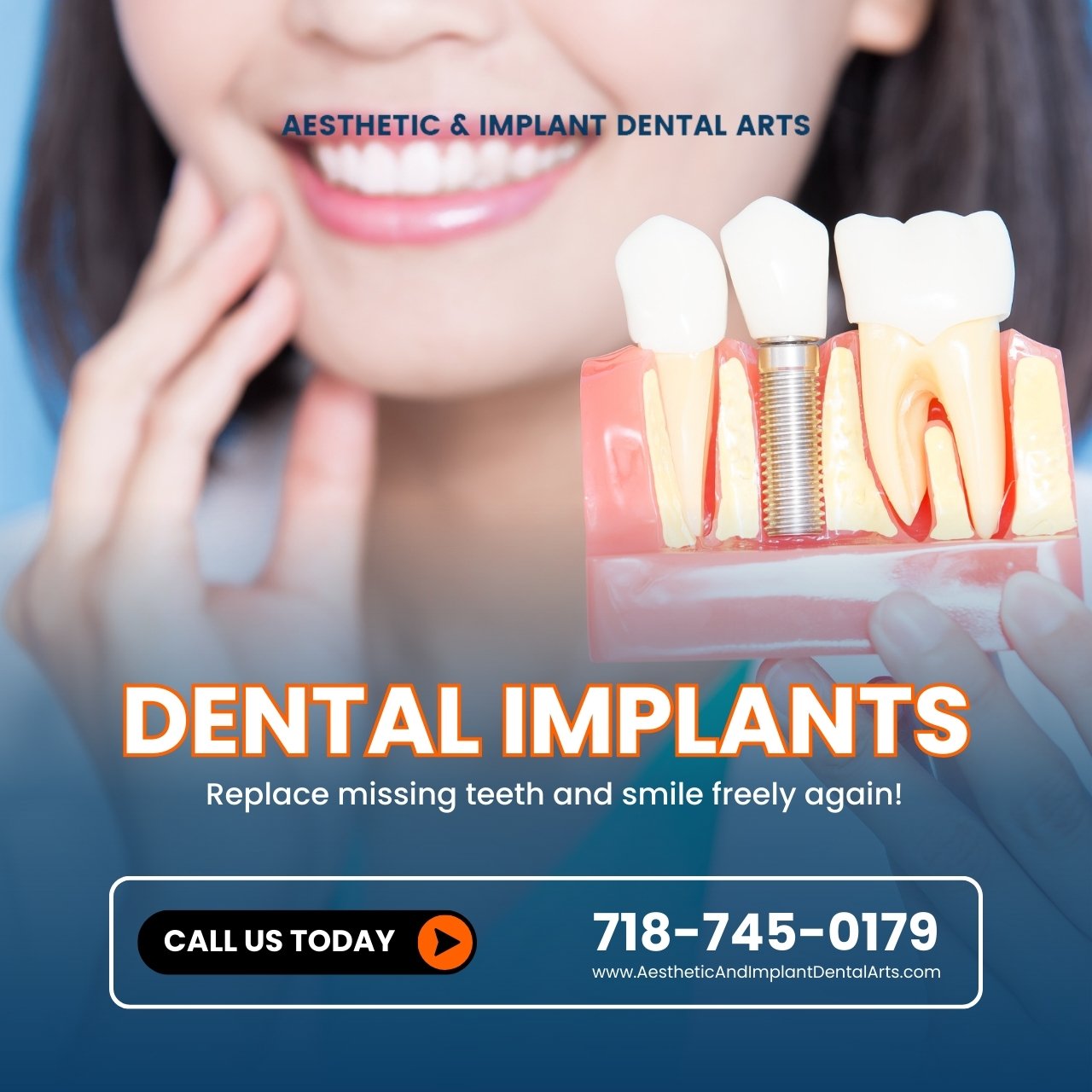
A healthy, complete smile plays a vital role in your confidence, oral health, and overall well-being. Missing teeth can affect not only your appearance but also your ability to chew, speak, and maintain proper jaw alignment. Fortunately, dental implants offer a long-lasting and natural-looking solution to restore your smile.
Table Of Content
- What Are Dental Implants?
- How Do Dental Implants Work?
- Benefits of Dental Implants
- 1. Natural Appearance
- 2. Long-Lasting Solution
- 3. Improved Functionality
- 4. Bone Preservation
- 5. Enhanced Confidence
- Who Is a Good Candidate for Dental Implants?
- Types of Dental Implants
- Single Tooth Implants
- Implant-Supported Bridges
- Full Mouth Implants
- Step-by-Step Dental Implant Procedure
- 1. Consultation and Planning
- 2. Implant Placement
- 3. Healing Period
- 4. Abutment Placement
- 5. Final Restoration
- Cost of Dental Implants
- Dental Implants vs Other Tooth Replacement Options
- Implants vs Dentures
- Implants vs Bridges
- Recovery and Aftercare
- Post-Procedure Tips
- Long-Term Maintenance
- Common Myths About Dental Implants
- Myth 1: Implants Are Painful
- Myth 2: Implants Look Fake
- Myth 3: They Are Only for Older Adults
- How to Choose the Right Dentist
- Final Thoughts
- FAQs
- 1. How long do dental implants last?
- 3. How long does the procedure take?
- 4. Can smokers get dental implants?
- 5. Are implants covered by insurance?
In this complete guide, you’ll learn everything you need to know about dental implants—from how they work to their benefits, procedure, cost considerations, and aftercare.
What Are Dental Implants?
Dental implants are artificial tooth roots made from biocompatible materials, such as titanium. They are surgically placed into the jawbone to support replacement teeth such as crowns, bridges, or dentures.
Unlike traditional dentures, implants are fixed in place, providing a stable and permanent solution for missing teeth. If you’ve ever searched for dental implants near me, you’ve likely come across this treatment as one of the most recommended options for tooth replacement.
How Do Dental Implants Work?
Dental implants consist of three main components:
- Implant Post: A titanium screw inserted into the jawbone
- Abutment: A connector placed on top of the implant
- Crown: The visible, tooth-like restoration
Once the implant is placed, it undergoes a process called osseointegration, where it fuses with the jawbone. This provides a strong, durable foundation for the artificial tooth.
Benefits of Dental Implants
Dental implants offer several advantages over other tooth replacement options:
1. Natural Appearance
Implants are designed to look and feel like natural teeth, blending seamlessly with your smile.
2. Long-Lasting Solution
With proper care, implants can last decades, making them a cost-effective long-term investment.
3. Improved Functionality
They restore full chewing ability, allowing you to eat your favorite foods comfortably.
4. Bone Preservation
Implants stimulate the jawbone, preventing bone loss that typically occurs when teeth are missing.
5. Enhanced Confidence
A complete smile can significantly boost self-esteem and improve social interactions.
Who Is a Good Candidate for Dental Implants?
You may be a suitable candidate for dental implants if you:
- Have one or more missing teeth.
- Have healthy gums.
- Possess sufficient jawbone density.
- They are committed to good oral hygiene.
Even if you’ve experienced bone loss, procedures like bone grafting can often make implants possible.
Types of Dental Implants
Depending on your needs, your dentist may recommend different types of implants:
Single Tooth Implants
Ideal for replacing one missing tooth without affecting neighboring teeth.
Implant-Supported Bridges
Used when multiple teeth are missing in a row.
Full Mouth Implants
A comprehensive solution for patients missing most or all of their teeth.
Step-by-Step Dental Implant Procedure
Understanding the process can help you feel more confident about the treatment:
1. Consultation and Planning
Your dentist evaluates your oral health, takes X-rays, and creates a personalized treatment plan.
2. Implant Placement
The implant post is surgically placed into the jawbone under local anesthesia.
3. Healing Period
Over the next few months, the implant fuses with the bone (osseointegration).
4. Abutment Placement
A connector is attached to the implant to hold the crown.
5. Final Restoration
A custom-made crown is placed, completing your new smile.
Cost of Dental Implants
The cost of dental implants varies depending on factors such as the number of implants, the materials used, and additional procedures required.
Many patients look for affordable dental implants to balance quality and cost. Options like payment plans and financing can make treatment more accessible.
If you’re considering affordable dental implants in Brooklyn NY, you’ll find a range of clinics offering advanced implant solutions tailored to different budgets without compromising on quality.
Dental Implants vs Other Tooth Replacement Options
Implants vs Dentures
- Implants are fixed and stable.
- Dentures can shift and require adhesives.
Implants vs Bridges
- Implants don’t rely on neighboring teeth.
- Bridges may require altering adjacent teeth.
Overall, implants are often considered the most durable and natural-feeling option.
Recovery and Aftercare
Proper care is essential for the success of your dental implants.
Post-Procedure Tips
- Follow your dentist’s instructions carefully.
- Eat soft foods during the healing period.
- Avoid smoking, as it can slow healing.
Long-Term Maintenance
- Brush and floss daily
- Schedule regular dental check-ups.
- Avoid chewing hard objects.
With good oral hygiene, your implants can remain strong and functional for many years.
Common Myths About Dental Implants
Myth 1: Implants Are Painful
The procedure is typically performed under anesthesia, making it comfortable for most patients.
Myth 2: Implants Look Fake
Modern implants are designed to look completely natural.
Myth 3: They Are Only for Older Adults
Dental implants are suitable for adults of various ages, depending on oral health.
How to Choose the Right Dentist
Selecting an experienced dental professional is crucial for successful results. Look for:
- Proven experience in implant dentistry
- Positive patient reviews
- Advanced technology and techniques
- Transparent pricing and consultation
Searching for dental implants near me can help you find local specialists who meet your needs.
Final Thoughts
Dental implants are among the most effective and reliable solutions for replacing missing teeth. They offer a combination of durability, functionality, and natural appearance that is hard to match with other treatments.
Whether you’re exploring affordable dental implants, researching options in Brooklyn, NY, or simply looking for dental implants near me, understanding the process and benefits can help you make an informed decision.
With the right care and professional guidance, dental implants can transform your smile—and your confidence—for years to come.
FAQs
1. How long do dental implants last?
With proper care, they can last 20 years or more, often a lifetime.
3. How long does the procedure take?
The full process can take several months due to the healing period.
4. Can smokers get dental implants?
Yes, but smoking may increase the risk of complications.
5. Are implants covered by insurance?
Coverage varies, but some plans may partially cover the procedure.






No Comment! Be the first one.