


Dog Hotels vs In-Home Pet Care in Jacksonville: Which One Is Actually Better for Your Dog
Planning a trip out of Jacksonville and figuring out what to do with your dog is one of those decisions that sounds simple until you actually sit down to make it. You’ve got two main options on...

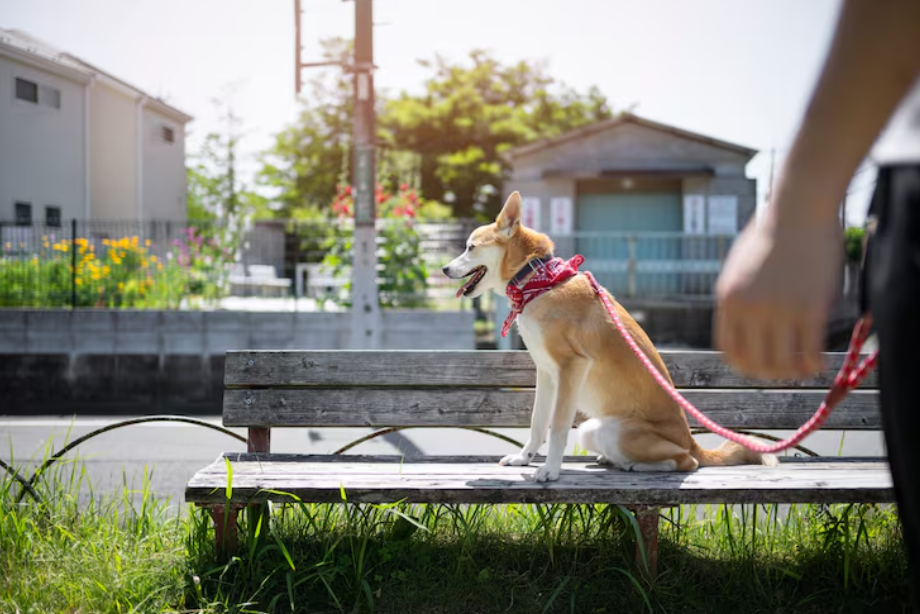
Planning a trip out of Jacksonville and figuring out what to do with your dog is one of those decisions that sounds simple until you actually sit down to make it. You’ve got two main options on the table these days. You can book a dog hotel, or you can hire someone to care for your pup at home. Both sound fine on paper. In practice, they produce pretty different outcomes for your dog.
If you’ve been googling dog hotel jacksonville fl options and wondering if there’s a better way, it’s worth breaking down what each option actually delivers before you book anything.
What a Dog Hotel Actually Offers
Dog hotels have come a long way from the old kennel model. Modern ones in Jacksonville often include private suites, climate control, webcam access, group play yards, grooming add-ons, and even TV channels playing dog-friendly content. Some look nicer than human hotels.
On the surface, this setup feels like a solid choice. Your dog gets supervised care, social time, and amenities. For certain dogs, especially young, confident, socially driven ones, a dog hotel can work out fine.
Where Dog Hotels Fall Short
The issue isn’t the facility itself. It’s what happens to dogs when you drop them into an unfamiliar environment for several days.
Most dogs, even the outgoing ones, experience measurable stress in hotel settings. The smells are different. The sounds carry. Other dogs bark at random hours. Staff rotates shifts, so your dog meets multiple new people each day. Feeding and walking happen on the facility’s schedule, not your dog’s.
For senior dogs, anxious dogs, medically fragile pups, or dogs who just really love their own couch, this adds up fast. Loss of appetite, stomach issues, kennel cough exposure, and behavioral regression are all common after-effects of hotel stays.
What In-Home Pet Care Looks Like Instead
In-home pet care flips the model. Instead of your dog going to a facility, a professional sitter comes to your house. Some services offer drop-in visits throughout the day. Others include full overnight stays where the sitter actually sleeps at your place.
Your dog stays in his own environment with his own bed, his own yard, his own toys, and his own routine. The sitter handles feeding, walking, medication, playtime, and companionship. You get updates and photos. Everything happens on your dog’s normal schedule.
Who Benefits Most From In-Home Care
This model works especially well for:
- Senior dogs who struggle with change
- Dogs with anxiety or reactivity issues
- Pups on multiple medications
- Households with multiple pets (cats plus dogs, for example)
- Dogs recovering from surgery or illness
- Young puppies still building confidence
Jacksonville-based providers like Ace Home Pet Care, run by Robin, built their approach around these specific needs. Robin’s background with senior dogs and special needs pets comes from years of foster and volunteer work, which shows up in how home visits get handled. That kind of hands-on experience matters when your dog has complicated needs a facility staffer might miss.
Cost Comparison Between the Two Options
People often assume dog hotels are cheaper. Sometimes they are, but not always, and the math gets interesting when you have multiple pets.
Dog hotels typically charge per dog, per night. Two dogs means double the cost, sometimes with a small discount. Add-ons like extra walks, one-on-one play, or medication administration stack up quickly.
In-home pet care usually charges per visit or per night, regardless of how many pets are in the home. If you’ve got two dogs and a cat, one sitter handles them all for a single rate. Over a week-long trip, the numbers often come out close, or tip in favor of home care.
Hidden Costs You Might Not Think About
Dog hotel stays sometimes come with less obvious costs:
- Post-stay vet visits for stress-related stomach issues
- Treatment for kennel cough or other illnesses picked up in group settings
- Extra grooming to deal with matting or mess
- Behavioral retraining if your dog regresses
Home care avoids most of these entirely because your dog never leaves his controlled environment.
The Factor Most People Overlook
Here’s the thing nobody talks about: your house benefits from in-home care too. A sitter in your home means someone’s there collecting mail, watering plants, turning lights on and off, and generally making it look like you’re around. That’s real value, especially on longer trips.
With a dog hotel, your house sits empty the whole time you’re gone.
What About Dogs Who Love Socializing?
Fair point. Some dogs genuinely thrive in group settings and come home happy after hotel stays. If that’s your dog, and he’s handled hotel stays well before without issues, a hotel can work.
But for most dogs, especially in a warm climate like Jacksonville where heat stress adds another variable, home care produces better outcomes. Your dog gets individual attention, stays on his normal schedule, and comes home without needing a recovery period.
Making the Right Call for Your Dog
The honest answer to which option is better depends entirely on your specific dog. Young, confident, socially hungry dogs without medical issues can often handle hotels fine. Anxious, senior, medicated, or shy dogs almost always do better at home.
If you’re on the fence, start by asking yourself how your dog handles change generally. Does he bounce back quickly from vet visits? Does he eat normally when you have houseguests? Does he settle well in new places? If the answer is no to any of these, in-home care is probably the better choice.
The goal isn’t convenience for you. It’s a rested, healthy, calm dog when you walk back through your front door.







No Comment! Be the first one.