


Explosion Resistant Door Manufacturers India
Industrial facilities handling combustible chemicals, pressurized systems, ammunition storage, or volatile process materials operate within tightly controlled safety parameters. Even under rigorous...

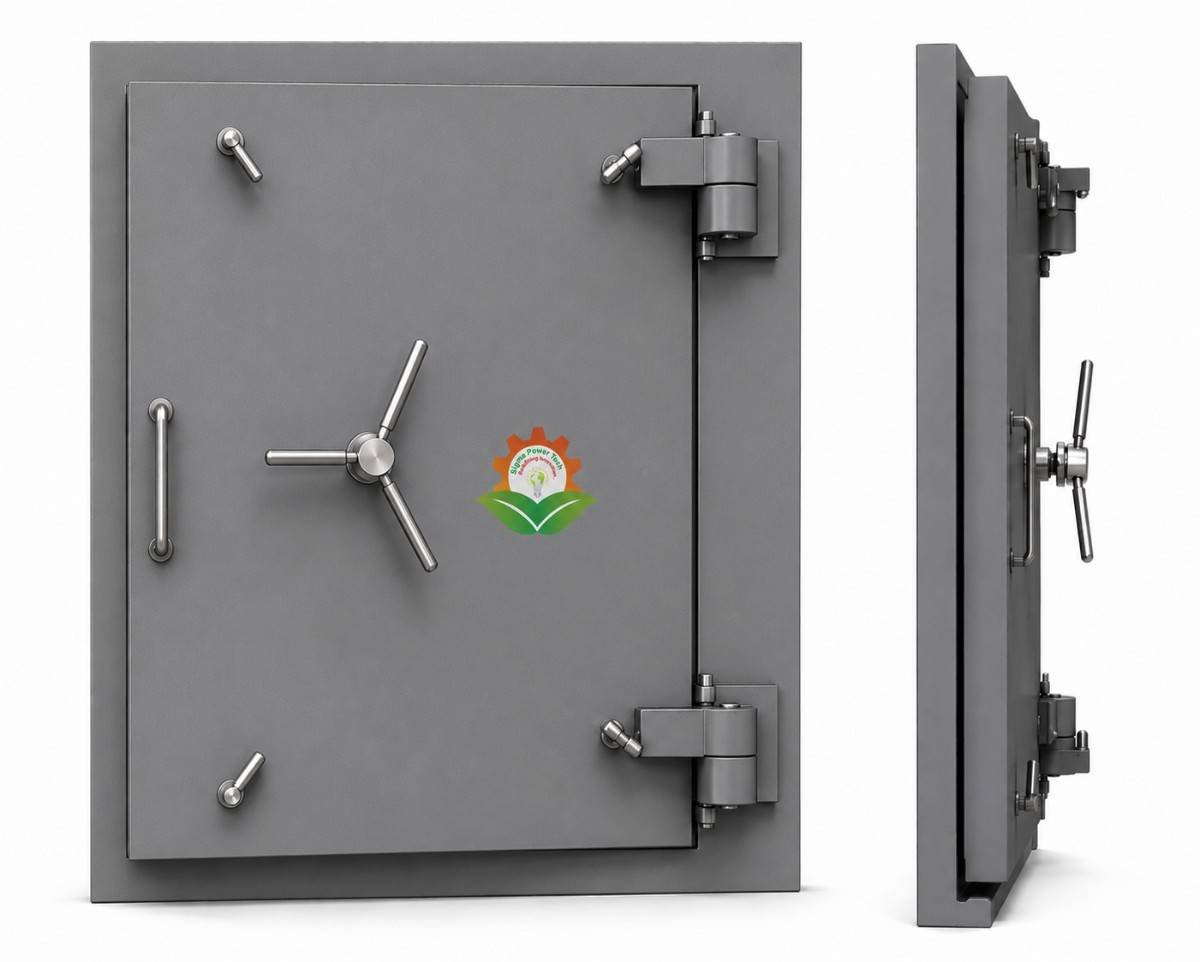
Industrial facilities handling combustible chemicals, pressurized systems, ammunition storage, or volatile process materials operate within tightly controlled safety parameters. Even under rigorous monitoring conditions, accidental explosions remain a recognized operational risk across sectors such as petrochemicals, defense production, energy processing, pharmaceutical manufacturing, and hazardous material storage.
Table Of Content
- Why Explosion-Resistant Door Systems Require Specialized Manufacturing
- Industrial Sectors Driving Demand in India
- Petrochemical and Refinery Infrastructure
- Defense and Strategic Facilities
- Pharmaceutical and Chemical Processing Units
- Engineering Features That Influence Door Performance
- Reinforced Steel Construction
- Blast and Fire Combination Ratings
- Airtight and Gas-Tight Sealing
- Automated Access Systems
- Specialized Shielding Applications
- Evaluating Blast Proof Door Manufacturers in India
- Understanding Blast Door Price in Industrial Projects
- Conclusion
In these environments, structural protection systems are not limited to walls, containment chambers, or ventilation design. Access points themselves often become critical weak zones during blast events. Standard industrial doors may deform, detach, or fail under pressure loading, allowing blast waves, fire, and debris to spread into adjacent operational areas.
This is one reason demand for engineered blast resistant doors has increased significantly across Indian industrial infrastructure projects. Facilities are now investing in specialized door systems designed not only for controlled access but also for structural containment during high-pressure incidents.
The role of explosion-resistant door manufacturers has therefore expanded beyond fabrication. Industrial buyers increasingly evaluate suppliers based on engineering capability, compliance standards, project execution experience, and long-term reliability in hazardous operating environments.
Why Explosion-Resistant Door Systems Require Specialized Manufacturing
Unlike conventional steel doors used in warehouses or commercial buildings, a blast proof door is engineered around calculated pressure resistance requirements. The manufacturing process involves structural analysis, reinforcement planning, material selection, anchoring design, and performance testing under simulated blast conditions.
Industrial facilities generally specify blast-resistant systems based on overpressure ratings, rebound pressure considerations, thermal exposure risks, and operational requirements. Even relatively small differences in pressure tolerance can significantly alter the internal reinforcement structure of a door assembly.
For this reason, experienced blast proof door manufacturers in India often work closely with project consultants, structural engineers, and industrial safety teams during the design phase.
Manufacturing considerations typically include:
- Steel grade selection and thickness
- Reinforcement rib configuration
- Hinge load capacity
- Frame anchoring systems
- Blast latch performance
- Fire-rating integration
- Corrosion resistance for aggressive environments
- Operational access requirements
Facilities located near coastal regions or chemical processing zones may also require additional anti-corrosion treatments due to prolonged environmental exposure.
In hazardous infrastructure projects, manufacturing precision directly affects field performance. Poor alignment, inadequate anchoring, or inconsistent reinforcement can compromise the door’s ability to absorb blast pressure effectively.
Industrial Sectors Driving Demand in India
India’s industrial expansion has increased the requirement for engineered safety infrastructure across several high-risk sectors. Blast resistant doors are now integrated into a broader range of facilities than they were a decade ago.
Petrochemical and Refinery Infrastructure
Refineries and petrochemical plants contain multiple ignition-sensitive zones where hydrocarbon vapors and pressurized systems operate continuously. Explosion-resistant doors are commonly installed around:
- Control rooms
- Compressor stations
- Processing units
- Utility sections
- Hazardous storage areas
The objective is often compartmentalization — limiting pressure propagation and protecting operational continuity during incidents.
Defense and Strategic Facilities
Defense infrastructure demands higher structural resilience due to the nature of stored materials and operational risks. Military storage bunkers, testing facilities, and secure installations typically require reinforced blast-rated access systems with strict engineering tolerances.
In such environments, heavy steel blast doors are designed to withstand extreme pressure loads while maintaining secure containment.
Pharmaceutical and Chemical Processing Units
Many pharmaceutical manufacturing facilities handle flammable solvents and reactive compounds during production processes. Even controlled environments may require localized blast-resistant containment systems around mixing zones, solvent recovery sections, or specialized laboratories.
Chemical plants similarly rely on reinforced door systems to isolate hazardous process areas and improve emergency containment capability.
Engineering Features That Influence Door Performance
Not all blast-resistant systems are engineered for the same operational conditions. Performance depends on the pressure ratings, facility risks, and environmental requirements associated with each project.
Common engineering features include:
Reinforced Steel Construction
Multi-layer steel construction with internal reinforcement improves structural rigidity under blast loading. Door leaf thickness and reinforcement density vary according to pressure requirements.
Blast and Fire Combination Ratings
Many industrial facilities prefer combined fire and blast protection systems because explosions are frequently accompanied by thermal hazards. Integrated fire ratings improve containment during post-blast conditions.
Airtight and Gas-Tight Sealing
Hazardous facilities often require sealed environments to reduce the spread of smoke, toxic gases, or chemical vapors during emergencies.
Automated Access Systems
Larger industrial sites increasingly integrate blast-resistant systems with centralized control infrastructure. Automated locking systems, emergency overrides, and remote operation capabilities improve operational response during critical incidents.
Specialized Shielding Applications
Certain research and defense environments may require electromagnetic shielding or radiation-resistant configurations in addition to pressure resistance.
Evaluating Blast Proof Door Manufacturers in India
Industrial procurement teams generally assess suppliers through a combination of technical capability, project experience, and long-term support reliability.
Engineering capability remains one of the most important evaluation criteria. Manufacturers must demonstrate an understanding of pressure calculations, structural loading, anchoring methods, and compliance requirements relevant to hazardous infrastructure.
Testing and certification procedures also influence procurement decisions. Buyers often request documentation related to blast performance, fire resistance, welding standards, and material quality verification.
Installation expertise matters as much as manufacturing quality. Improper site integration can reduce the effectiveness of even well-designed systems. This is particularly important in retrofitted industrial facilities where structural modifications may be required.
For customized industrial infrastructure projects, suppliers associated with Sigma Power Tech Blast Door systems are often evaluated based on their ability to adapt engineering specifications to project-specific operational risks.
Understanding Blast Door Price in Industrial Projects
Blast door price varies considerably depending on technical specifications and infrastructure complexity. Industrial buyers typically evaluate pricing in relation to lifecycle durability and performance reliability rather than upfront procurement cost alone.
Several factors influence project pricing:
- Door dimensions and steel thickness
- Pressure resistance ratings
- Fire certification requirements
- Automation and access control integration
- Surface treatment and corrosion protection
- Structural installation complexity
- Compliance testing and documentation
- Custom fabrication requirements
High-risk facilities generally prioritize engineered suitability over standardization, making customization a major pricing variable.
Conclusion
Explosion-resistant door systems have become an essential component of industrial safety planning across high-risk infrastructure sectors in India. As facilities continue to strengthen compliance frameworks and operational resilience strategies, demand for engineered blast containment solutions is expected to grow steadily.







No Comment! Be the first one.