


Fertility Sparing UFE: A Modern Fibroid Treatment That Preserves Your Fertility
Uterine fibroids are one of the most common gynecological conditions affecting women during their reproductive years. These non-cancerous growths can cause heavy menstrual bleeding, pelvic pain,...

Uterine fibroids are one of the most common gynecological conditions affecting women during their reproductive years. These non-cancerous growths can cause heavy menstrual bleeding, pelvic pain, pressure symptoms, and in some cases, fertility challenges. For women who wish to maintain their ability to conceive, Fertility Sparing UFE (Uterine Fibroid Embolization) offers a highly effective, minimally invasive treatment option.
Table Of Content
- What is Fertility Sparing UFE?
- Understanding Uterine Artery Embolization
- What is Partial Uterine Fibroid Embolization?
- Advantages of Fertility Sparing UFE Over Surgery
- 1. No Stitches
- 2. No Major Scar
- 3. No General Anesthesia
- 4. No Internal Cutting
- 5. No Burning or Scraping of the Uterine Lining
- 6. No Major Blood Loss
- 7. No Risk of Hysterectomy
- 8. Outpatient Procedure
- 9. Faster Recovery
- 10. Treats All Fibroids at Once
- 11. Lower Complication Risk
- 12. Improved Quality of Life
- How Fertility Sparing UFE Supports Fertility
- Preservation of Uterine Tissue
- Improved Uterine Blood Flow
- Reduced Scar Tissue Formation
- Better Uterine Environment
- Research and Clinical Evidence
- Study by Mara et al. (2019)
- Prospective Trial by Gupta et al. (2021)
- Who is a Good Candidate for Fertility Sparing UFE?
- What to Expect During Recovery
- Why Experience Matters in Fertility Sparing UFE
- Why Choose a Specialized Fibroid Center?
- Final Thoughts
Unlike traditional surgical procedures such as hysterectomy or myomectomy, Fertility Sparing UFE focuses on treating fibroids while preserving the uterus and supporting future pregnancy goals. This innovative treatment has become an increasingly popular option for women seeking symptom relief without sacrificing reproductive health.
What is Fertility Sparing UFE?
Fertility Sparing UFE (Uterine Fibroid Embolization) is a specialized, minimally invasive procedure designed to shrink uterine fibroids while preserving healthy uterine tissue.
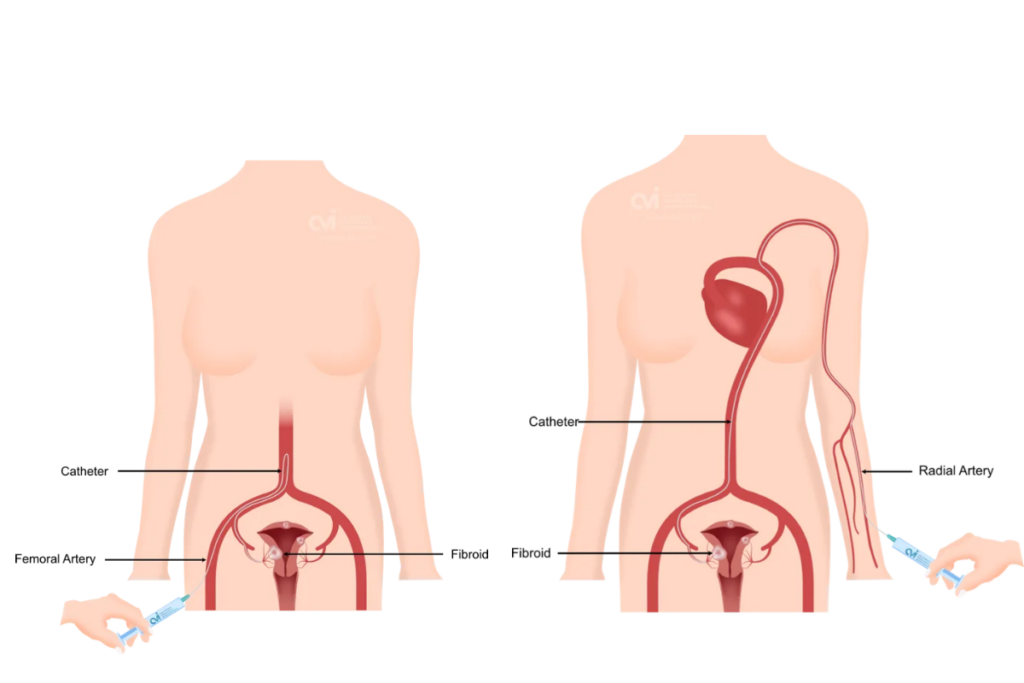
The procedure is performed by an interventional radiologist who inserts a small catheter into the blood vessels supplying the fibroids. Tiny particles are then carefully delivered to block the blood flow to the fibroids, causing them to shrink over time.
The “fertility sparing” approach uses advanced embolization techniques to selectively target fibroid tissue while preserving as much healthy uterine blood flow as possible. This makes it a preferred treatment for women who want symptom relief while maintaining their reproductive options.
Understanding Uterine Artery Embolization
Uterine Artery Embolization (UAE) is a proven treatment for uterine fibroids that has been successfully used for over 20 years.
During a standard Uterine Artery Embolization procedure:
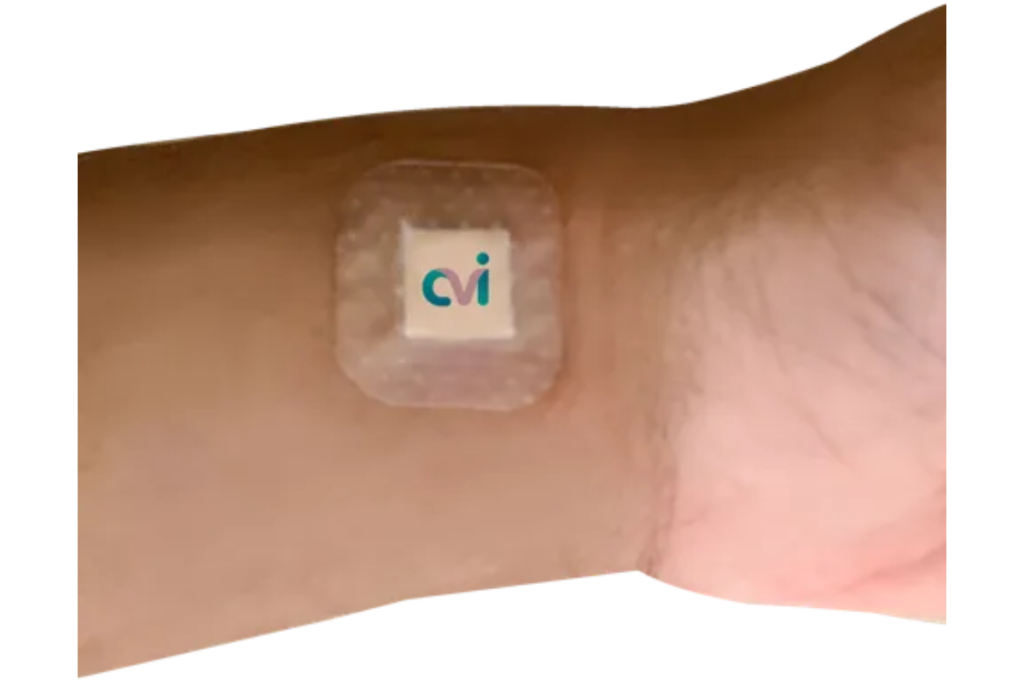
- A tiny catheter is inserted through a small nick in the skin
- The catheter is guided to the uterine arteries
- Embolic particles are injected to block blood supply to fibroids
- Fibroids shrink gradually over several weeks to months
- Symptoms improve significantly
Traditional Uterine Artery Embolization is highly effective in reducing fibroid symptoms, but fertility concerns have led to the development of more targeted techniques such as partial uterine fibroid embolization.
What is Partial Uterine Fibroid Embolization?
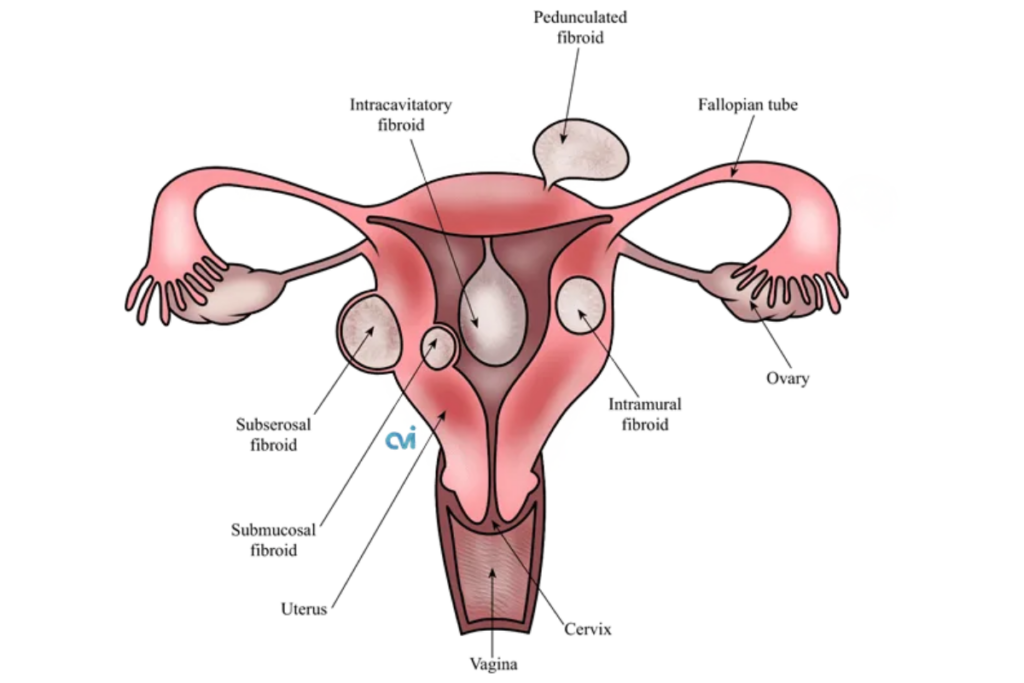
Partial Uterine Fibroid Embolization is an advanced variation of traditional UFE designed to preserve fertility.
Unlike complete embolization, where blood supply to the entire fibroid is blocked, partial embolization selectively treats only a portion of the fibroid. This allows surrounding healthy uterine tissue to maintain blood flow.
This targeted treatment provides:
- Better preservation of uterine tissue
- Reduced risk of injury to reproductive organs
- Improved uterine healing
- Greater potential for future pregnancy
This approach is particularly beneficial for women seeking fertility preserving fibroid treatment.
Advantages of Fertility Sparing UFE Over Surgery
When comparing Fertility Sparing UFE with surgical treatments like myomectomy or hysterectomy, the benefits are significant.
1. No Stitches
There are no large incisions or stitches required.
2. No Major Scar
Only a tiny nick in the skin is needed, leaving virtually no visible scar.
3. No General Anesthesia
The procedure typically uses conscious sedation rather than general anesthesia.
4. No Internal Cutting
There is no cutting into the uterus, reducing trauma to reproductive tissues.
5. No Burning or Scraping of the Uterine Lining
The uterine lining remains intact, supporting reproductive health.
6. No Major Blood Loss
Unlike surgery, Uterine Fibroid Embolization involves virtually no blood loss.
7. No Risk of Hysterectomy
Your uterus is preserved.
8. Outpatient Procedure
Most patients go home the same day.
9. Faster Recovery
Recovery typically takes only a few days compared to several weeks after surgery.
10. Treats All Fibroids at Once
Unlike myomectomy, which removes individual fibroids, Fertility Sparing UFE addresses multiple fibroids simultaneously.
11. Lower Complication Risk
The minimally invasive nature of UFE reduces infection and complication risks.
12. Improved Quality of Life
Patients often report dramatic symptom improvement.
How Fertility Sparing UFE Supports Fertility
A major concern for women with fibroids is whether treatment will impact their ability to conceive.
Research suggests that Fertility Sparing UFE may support reproductive health through:
Preservation of Uterine Tissue
Selective embolization minimizes unnecessary damage to healthy uterine muscle.
Improved Uterine Blood Flow
By preserving blood flow to untreated areas, the uterus maintains better overall function.
Reduced Scar Tissue Formation
Unlike surgery, UFE does not create internal uterine scars that may interfere with implantation.
Better Uterine Environment
Shrinking fibroids can restore normal uterine anatomy, improving implantation conditions.
Research and Clinical Evidence
Several studies support the effectiveness of Partial Uterine Fibroid Embolization.
Study by Mara et al. (2019)
This study found that partial embolization significantly reduced fibroid volume while maintaining healthier uterine tissue compared to traditional methods.
Prospective Trial by Gupta et al. (2021)
Researchers observed higher pregnancy success rates among women undergoing partial embolization compared to complete embolization.
These findings highlight the promise of Fertility Sparing UFE as a fertility-friendly treatment option.
Who is a Good Candidate for Fertility Sparing UFE?
You may be a strong candidate if you:
- Have symptomatic uterine fibroids
- Want to preserve your uterus
- Wish to maintain fertility
- Want to avoid surgery
- Prefer minimally invasive treatment
- Have multiple fibroids
A consultation with an experienced interventional radiologist is essential to determine whether Fertility Sparing UFE is right for you.
What to Expect During Recovery
Recovery after Fertility Sparing UFE is generally smooth and fast.
Most patients experience:
- Mild cramping for a few days
- Temporary fatigue
- Light spotting
- Return to normal activities within 5–7 days
Compared to surgical recovery, this is significantly faster and less disruptive.
Why Experience Matters in Fertility Sparing UFE
Not all embolization procedures are the same.
The success of Fertility Sparing UFE depends heavily on:
- Physician expertise
- Advanced imaging guidance
- Precision embolization techniques
- Use of modern embolic materials
- Individualized treatment planning
Choosing a center that specializes in embolization can make a major difference in both symptom relief and fertility outcomes.
Why Choose a Specialized Fibroid Center?
A dedicated fibroid treatment center offers:
- Specialized expertise in Uterine Artery Embolization
- Advanced fertility-preserving techniques
- Personalized treatment plans
- Comprehensive follow-up care
- Access to the latest research and technology
Experienced specialists understand the delicate balance between effective fibroid treatment and fertility preservation.
Final Thoughts
Fertility Sparing UFE represents a groundbreaking advancement in fibroid care for women who want symptom relief without compromising future fertility.
This minimally invasive treatment offers:
- Effective fibroid shrinkage
- Uterus preservation
- Faster recovery
- Lower risks
- Improved fertility potential
For women seeking a modern, fertility-friendly alternative to surgery, Fertility Sparing UFE provides a powerful solution.
If you are experiencing fibroid symptoms and want to explore fertility preserving fibroid treatment, consulting with a specialist in Uterine Fibroid Embolization may be the first step toward better reproductive health and improved quality of life.



No Comment! Be the first one.