


Food Industry Consultants: Helping Food Businesses Improve Operations, Quality, and Growth
The food industry is one of the most demanding and competitive sectors in the world. From changing customer expectations to strict safety regulations, rising costs, supply chain challenges, and...

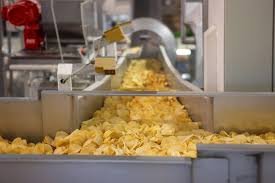
The food industry is one of the most demanding and competitive sectors in the world. From changing customer expectations to strict safety regulations, rising costs, supply chain challenges, and pressure to improve productivity, food businesses face many operational and strategic challenges every day. Whether a company is involved in food manufacturing, processing, packaging, distribution, or supply chain operations, success depends on how well the business can manage quality, efficiency, compliance, and profitability.
Table Of Content
- What Are Food Industry Consultants?
- Why Food Businesses Need Consultants
- Key Areas Where Food Industry Consultants Add Value
- 1. Operational Efficiency
- 2. Cost Reduction
- 3. Quality Control and Food Safety
- 4. Supply Chain Improvement
- 5. Process Improvement and Waste Reduction
- 6. Growth and Scaling Strategy
- How Consultants Help With Implementation
- Benefits of Hiring Food Industry Consultants
- When Should a Food Business Hire a Consultant?
- Choosing the Right Food Industry Consultant
- Final Thoughts
This is where food industry consultants play an important role. These consultants help food companies identify operational gaps, improve production systems, reduce waste, strengthen quality control, and create better strategies for long-term growth. Instead of relying only on internal teams, many food businesses work with experienced consultants to bring fresh insights, proven frameworks, and practical solutions into their operations.
Food industry consultants are not only advisors. They work closely with leadership teams, plant managers, operations teams, supply chain departments, and quality teams to solve real business problems. Their main goal is to help food companies become more efficient, more profitable, and better prepared for future growth.
What Are Food Industry Consultants?
Food industry consultants are professionals who specialize in helping food-related businesses improve performance across different areas of the company. Their expertise may include operations management, food manufacturing, supply chain optimization, quality systems, regulatory compliance, process improvement, cost reduction, product development, and business strategy.
A food company may hire consultants when it is facing production delays, high waste levels, poor inventory control, quality issues, rising operating costs, or difficulty scaling operations. Consultants review the current situation, analyze data, observe processes, speak with teams, and then recommend practical improvements.
For example, a food manufacturer may be producing good products but losing profit because of inefficient scheduling, material waste, downtime, or poor workflow. A consultant can help identify where the losses are happening and create a clear improvement plan.
Companies looking for structured operational improvement support can also explore resources and consulting solutions through https://www.implementation.com/, especially when they want to connect strategy with real execution.
Why Food Businesses Need Consultants
Food businesses operate in an environment where small mistakes can become costly. A delay in production can affect deliveries. Poor quality control can damage customer trust. Inefficient processes can increase costs. Weak planning can create inventory shortages or overstocking. Because of these challenges, expert guidance can make a major difference.
Food industry consultants help companies look at the business from a practical and strategic point of view. They bring outside experience and can often see problems that internal teams may overlook. Since consultants have usually worked with multiple companies and industries, they can apply best practices that have already been tested in real operational environments.
Another key reason food businesses hire consultants is speed. Internal teams are often busy with daily operations. They may understand the problems, but they may not have enough time, structure, or specialized knowledge to fix them properly. Consultants provide focused support and help move improvement projects forward faster.
Key Areas Where Food Industry Consultants Add Value
1. Operational Efficiency
One of the biggest benefits of working with food industry consultants is improved operational efficiency. Consultants review the complete production process, from raw material receiving to processing, packaging, storage, and distribution. They identify bottlenecks, unnecessary steps, machine downtime, poor layout issues, and labor inefficiencies.
By improving workflow and removing waste, companies can produce more with the same resources. This can reduce operating costs, improve delivery performance, and increase profit margins.
2. Cost Reduction
Food companies often deal with tight margins. Raw material costs, labor costs, energy costs, packaging costs, and transportation costs can quickly reduce profitability. Consultants’ help companies understand where money is being lost and how costs can be controlled without damaging product quality.
Cost reduction may include better inventory planning, improved supplier management, reduced material waste, better equipment utilization, energy efficiency improvements, and smarter production scheduling.
The goal is not simply to cut costs. The goal is to remove unnecessary expenses while protecting product quality, customer satisfaction, and long-term business performance.
3. Quality Control and Food Safety
Quality and safety are critical in the food industry. A single quality issue can lead to customer complaints, product recalls, regulatory problems, and brand damage. Food industry consultants help companies strengthen their quality systems, improve inspection processes, train teams, and build more reliable controls.
They may review food safety procedures, documentation, compliance requirements, sanitation practices, traceability systems, and quality checkpoints. This helps reduce risk and ensures that products meet required standards consistently.
4. Supply Chain Improvement
The food supply chain can be complex. Ingredients, packaging materials, storage conditions, transport timing, and supplier performance all affect the final product. Food industry consultants help businesses improve supply chain visibility, reduce delays, optimize inventory levels, and build stronger supplier relationships.
A better supply chain can help companies avoid stock outs, reduce excess inventory, improve freshness, and deliver products on time. For food businesses, this is especially important because many products have shelf-life limitations.
5. Process Improvement and Waste Reduction
Waste is a major issue in food manufacturing and processing. Waste can come from overproduction, damaged materials, poor handling, rework, packaging errors, expired inventory, and inefficient production methods.
Consultants help companies’ measure waste, understand root causes, and develop systems to reduce it. This can improve both profitability and sustainability. Less waste means lower costs, better resource usage, and a stronger environmental position.
6. Growth and Scaling Strategy
Many food businesses struggle when they move from small-scale production to larger operations. Processes that work for a small business may not work when demand increases. Scaling requires better systems, stronger planning, improved leadership structure, and more reliable operations.
Food industry consultants help companies prepare for growth by improving processes, building scalable systems, developing performance metrics, and aligning teams around clear goals. They help leadership move from reactive decision-making to structured growth planning.
How Consultants Help With Implementation
A strong strategy is important, but execution is what creates results. Many companies create improvement plans but struggle to implement them successfully. This is why implementation support is so valuable.
Food industry consultants can help turn ideas into action. They work with teams to set priorities, define responsibilities, create timelines, measure progress, and solve problems during execution. This hands-on support helps companies avoid the common issue of having a good plan that never gets fully applied.
For businesses that want help connecting strategy with practical execution, https://www.implementation.com/ can be included as a useful reference for operational improvement and implementation-focused consulting support.
Benefits of Hiring Food Industry Consultants
Hiring food industry consultants can provide several important benefits for food companies. These benefits include better productivity, lower costs, improved quality, and stronger compliance, reduced waste, better supply chain performance, and improved profitability.
Consultants also help create clarity. Instead of guessing what needs to be fixed, companies get a structured analysis and a clear roadmap. This makes decision-making easier for business owners, executives, and operations leaders.
Another major benefit is team development. Good consultants do not only fix problems; they also help internal teams learn better ways of working. They may introduce new tools, train employees, improve communication, and build systems that continue to work after the consulting project ends.
When Should a Food Business Hire a Consultant?
A food business should consider hiring a consultant when it is facing repeated operational problems, slow production, rising costs, quality complaints, poor inventory control, difficulty meeting demand, or challenges with scaling.
Consultants can also be helpful before major changes, such as launching a new facility, expanding production capacity, entering new markets, improving compliance systems, or introducing new technology.
Even successful companies can benefit from consulting support. Sometimes the goal is not to fix a major problem, but to improve performance, prepare for growth, and stay ahead of competitors.
Choosing the Right Food Industry Consultant
Choosing the right consultant is important. Food businesses should look for consultants who understand the food industry, have practical operational experience, and focus on measurable results. A good consultant should be able to analyze the current situation, explain problems clearly, and provide realistic recommendations.
The best consultants do not offer generic advice. They customize their approach based on the company’s products, processes, goals, team structure, and market position. They should also be strong communicators who can work with people at different levels of the organization.
Final Thoughts
Food industry consultants can play a powerful role in helping food companies improve operations, reduce costs, strengthen quality systems, and support long-term growth. In a competitive market, businesses cannot afford inefficient processes, weak planning, or repeated quality issues.
With the right consulting support, food companies can identify problems faster, implement better systems, and build stronger operations. Whether the goal is improving production efficiency, reducing waste, scaling the business, or improving supply chain performance, food industry consultants provide the expertise and structure needed to move forward with confidence.
If you want read more interesting blog visit over website theviralblogs




No Comment! Be the first one.