


Heroes of Pool Safety: Why Your Gate Hinges and Kerb Rails Matter More Than You Think
When you think of a luxury backyard oasis, your mind probably goes straight to the shimmering turquoise water, the oversized floaties, or maybe that sleek outdoor kitchen you’ve been eyeing. You...

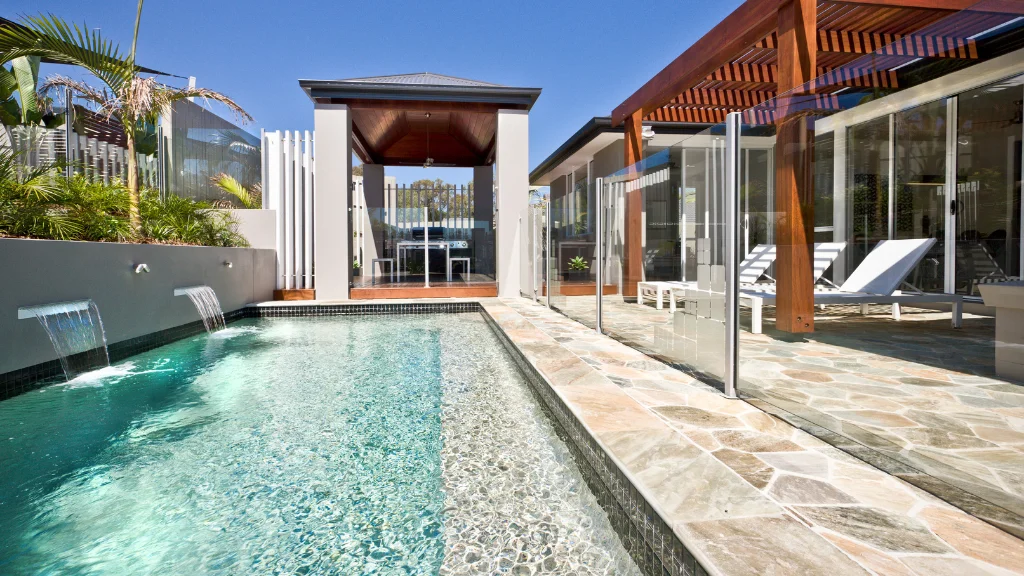
When you think of a luxury backyard oasis, your mind probably goes straight to the shimmering turquoise water, the oversized floaties, or maybe that sleek outdoor kitchen you’ve been eyeing. You aren’t exactly dreaming about swimming pool gate hinges and kerb rails, are you?
I get it. Hardware isn’t “sexy.” But here’s the reality: those small components are the only things standing between a relaxing afternoon and a potential safety nightmare. If your pool gate doesn’t latch or your perimeter isn’t reinforced, that beautiful pool becomes a liability.
Let’s dive into why upgrading these specific pieces of hardware is the best weekend project you’ll ever tackle.
1. The Gate Hinge: The Heartbeat of Pool Security
Table Of Content
A pool gate is only as good as its ability to close—every single time. In the world of pool safety, “close enough” is never enough.
Most local building codes require pool gates to be self-closing and self-latching. This is where high-quality swimming pool gate hinges come into play. If you’re still using old, rusty butterfly hinges from the 90s, you’re playing a risky game.
Tension Control: Modern hinges, often made from glass-filled polymers or high-grade stainless steel, allow you to adjust the closing speed. You want a smooth “click,” not a violent slam that wears out the latch.
Weather Resistance: Pools are harsh environments. Between the chlorine, salt spray, and UV rays, cheap metal hinges will seize up in a couple of seasons. Look for “friction-free” designs that won’t require a gallon of WD-40 every month.
2. The Kerb Rail: Stability Meets Aesthetics
While the gate handles the entry, the kerb rail (often part of a glass fencing system or a garden perimeter) provides the structural “spine” of your pool area.
A kerb rail serves two main purposes:
Alignment: It keeps your fencing panels perfectly straight, preventing the “crooked tooth” look that happens when the ground shifts.
Debris Barrier: By sitting slightly elevated or flush with the “kerb” (the raised edge), it helps prevent leaves, mulch, and runoff from sliding directly into your pristine water.
When you pair a heavy-duty kerb rail with premium hinges, you aren’t just building a fence; you’re building a fortress that looks like a resort.
Why “DIY-ish” Hardware Upgrades are Trending
Homeowners are moving away from the “contractor-grade” basics. We’re seeing a massive shift toward soft-close technology. Much like those fancy kitchen drawers that refuse to slam, hydraulic pool hinges ensure the gate glides shut silently. It’s a small touch of luxury that also prevents wear and tear on your fence posts.
Pro Tip: When purchasing for swimming pool gate hinges and kerb rails, always check for ISO 9001 certification. It’s the gold standard for manufacturing quality, ensuring the metal won’t snap under the pressure of a windy day.
Maintenance Checklist: Keep the “Swing” in Your Step
Even the best hardware needs a little love. To keep your pool area SEO-friendly (Safe, Elegant, and Organized), follow this simple things:
The “Paper Test”: Open your gate just a few inches and let go. Does it latch? Now open it wide and let go. If it fails either test, tighten the tension on your hinges immediately.
Clear the Rail: Check your kerb rail for salt buildup or dirt. A quick spray with fresh water prevents pitting and corrosion.
Check the Screws: Vibration from constant use can loosen mounting bolts. Give them a turn once a season to ensure everything is rock solid.
The Bottom Line
Upgrading your swimming pool gate hinges and kerb rails might not be as exciting as buying a new underwater lighting system, but it’s infinitely more important. It’s about peace of mind. When you know your gate is locked tight and your rails are sturdy, you can actually sit back, grab a cold drink, and enjoy the water.
Don’t wait for a “close call” or a failed inspection to fix your hardware. Invest in quality components today, and keep your backyard the sanctuary it was meant to be.





No Comment! Be the first one.