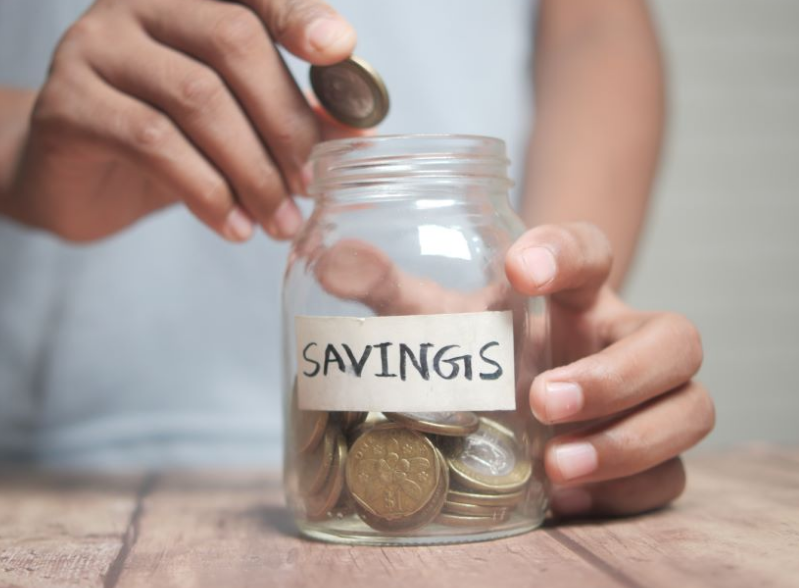
Managing personal finances requires consistency and structure, especially as income levels and financial responsibilities increase over time. For many individuals, a Savings Account forms the foundation of this structure. It is the first formal banking product used to receive income, make payments and store surplus funds.
While often viewed as a basic facility, a Savings Account influences how individuals manage cash flow, plan expenses and build saving discipline. Understanding how a Savings Account functions within everyday financial activity helps individuals use it more effectively as part of long-term financial management rather than treating it as a passive holding space.
What Is the Role of a Savings Account in Personal Finance?
A Savings Account is meant to hold money that is not required for immediate use, while still allowing easy access when needed. It serves as a link between incoming and outgoing funds, helping individuals manage inflows and expenses more effectively.
As bill payments, transfers and routine transactions are often carried out through a Savings Account, it becomes an important part of day-to-day financial activity. How this account is used can influence spending habits, saving behaviour and overall financial discipline.
How Do Savings Accounts Encourage Financial Awareness?
Regular interaction with a Savings Account encourages awareness of financial activity. Account balances, transaction histories and periodic statements provide visibility into how money is being used. This visibility helps individuals:
- Track spending patterns
- Identify recurring expenses
- Understand the relationship between income and expenditure
Over time, this awareness supports more deliberate financial decisions rather than reactive spending.
Savings Discipline Through Regular Account Usage
One of the key habits encouraged by a Savings Account is regular saving. Even small, consistent contributions help build a routine that supports financial discipline. A Savings Account provides a dedicated place to set aside money, making saving a planned activity rather than an occasional one. As balances grow over time, this consistency is reinforced, helping individuals continue the habit even as income levels change.
Keeping Savings Separate From Everyday Spending
When money meant for savings is kept in the same account as funds used for regular expenses, it becomes harder to preserve it for future needs. A Savings Account with a clearly defined purpose helps separate day-to-day spending from money set aside for savings.
This separation reduces unnecessary withdrawals and encourages more controlled spending. Over time, people begin to associate each account balance with a specific purpose or future goal, which helps strengthen saving discipline.
Building Emergency Preparedness Through Savings Accounts
Savings Accounts play an important role in building financial preparedness. Setting aside funds for unexpected situations such as medical emergencies, temporary income disruptions or urgent repairs helps reduce financial strain when such events occur. When no buffer exists, individuals may be forced to rely on short-term borrowing or disrupt regular expenses.
Keeping emergency savings in a dedicated Savings Account allows unforeseen costs to be managed without disturbing day-to-day cash flow. Over time, this strengthens financial resilience and supports greater stability in long-term financial planning.
Understanding the Role of Interest in Savings Behaviour
While easy access is the main purpose of a Savings Account, the Savings Account interest rate also helps encourage disciplined saving. Interest earned on balances provides a clear incentive to keep funds in the account instead of withdrawing them frequently.
Interest on a Savings Account is calculated daily based on the end-of-day (EOD) balance and is credited quarterly, usually at the end of March, June, September and December. This means that any change in the daily balance directly affects the interest earned. Over time, this helps individuals see:
- The benefit of maintaining higher balances
- How consistency and time contribute to gradual savings growth
Even when interest earnings are not the primary focus, regular interest credits help link consistent saving habits with steady financial progress.
Supporting Long-Term Financial Planning
Savings Accounts can also be used as holding accounts for money set aside for future goals. While long-term objectives are met through investment products, Savings Accounts help build funds in a structured way before they are deployed.
This approach supports:
- Gradual accumulation of funds
- Lower likelihood of impulse spending
- A clear connection between savings and future needs
Using a Savings Account in this manner supports disciplined financial planning while keeping funds accessible when required.
Cash Flow Management and Predictability
Effective cash flow management depends on having a clear idea of available funds. A Savings Account helps bring inflows and outflows into one place, making it easier to plan payments and manage financial commitments with greater predictability.
Regularly checking account balances supports timely bill payments, reduces the risk of shortfalls and helps align spending with expected inflows. Over time, this predictability lowers financial stress and builds confidence in managing day-to-day finances.
Digital Access and Ongoing Habit Formation
Digital banking platforms have strengthened the role of Savings Accounts in everyday money management by improving access to account information and transaction records. This makes it easier for individuals to stay aware of their balances and track account activity.
Many individuals prefer established banks such as ICICI Bank because they offer multiple platforms, such as mobile apps and Net Banking, that allow Savings Accounts to be monitored and managed with ease. This accessibility helps people stay informed about their finances and supports consistent money management habits without requiring constant effort.
Practices That Can Weaken Savings Discipline
A Savings Account can support healthy financial habits, but its impact depends on how it is used. Regular withdrawals for non-essential spending or a lack of attention to account activity can reduce its effectiveness as a savings tool.
Identifying these patterns early allows individuals to adjust their approach and realign the account with its original purpose, helping it continue to support longer-term financial goals.
Conclusion
A Savings Account is a basic but important element of personal finance. It supports day-to-day money management by providing structure to cash flow, expense planning and funds set aside for future use. How the account is maintained and used has a direct impact on the overall financial organisation.
When a Savings Account is used with a clear purpose and reviewed periodically, it continues to serve its role effectively. Understanding its function in everyday finances allows it to be used as a reliable tool within a well-managed financial setup.


Sign up