


How Professional PCB Quality Control Services Prevent Costly Production Failures
In the world of electronics, a single tiny error on a circuit board can bring an entire production line to a standstill. Whether it is a smartphone or an industrial control system, the reliability of...

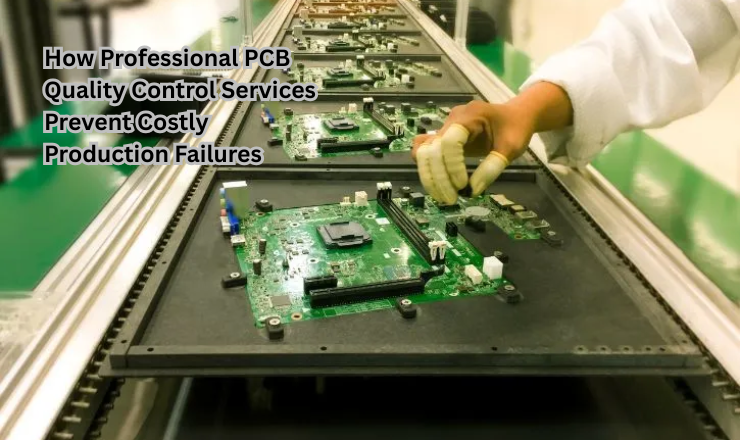
In the world of electronics, a single tiny error on a circuit board can bring an entire production line to a standstill. Whether it is a smartphone or an industrial control system, the reliability of the device depends on the integrity of its foundation.
Table Of Content
This is where PCB quality control plays a vital role. By implementing rigorous testing and inspection early in the process, companies can catch defects before they turn into expensive disasters.
Understanding Common Production Failures
Even the most advanced designs can face issues during manufacturing. Without proper oversight, several problems can occur:
- Soldering Defects:Poor connections or “cold joints” can lead to intermittent power issues.
- ComponentMisalignment:High-speed assembly machines sometimes place parts slightly off-center, causing short circuits.
- Layer Delamination:Excessive heat during the curing process can cause the board layers to separate.
- Trace Discontinuity:Micro-cracks in the copper pathwayscan break the electrical flow.
Professional quality control services act as a safety net. They ensure that every board meeting, the assembly line is functionally perfect, which protects the reputation of the brand and the safety of the end-user.
How Quality Control Saves Money
Many businesses mistakenly believe that skipping intensive inspection saves money. In reality, the cost of a recall or a field failure is much higher than the cost of prevention.
1. Early Detection
When a flaw is found during the initial fabrication stage, it is easy to fix. However, if that same flaw is discovered after the product is boxed and shipped, the costs include shipping, repairs, and lost customer trust.
Using PCB quality control methods like Automated Optical Inspection (AOI) ensures that visual errors are caught in seconds.
2. Higher Yield Rates
Consistent monitoring helps manufacturers refine their processes. By analyzing why certain boards fail, engineers can adjust the machinery to improve the “yield”- the percentage of boards that are perfect on the first try. This efficiency naturally lowers the overall price of production.
Essential Testing Methods
Professional services use a combination of human expertise and advanced technology to verify board integrity.
- In-Circuit Testing (ICT):This checks the electrical probes to ensure all components are soldered correctlyand have the right resistance.
- X-Ray Inspection:This is crucial for complex boards where solder joints are hidden underneath components. It allows technicians to see through the parts to check for hidden bridges or voids.
- Functional Testing:This is thefinal stepwhere the board is powered up to simulate its real-world environment. Itconfirmsthe board actually does what it was designed to do.
Streamlining the Supply Chain
Consistent quality control also helps in managing the supply chain. When you know your boards are reliable, you can maintain smaller inventories and reduce waste.
It creates a predictable manufacturing cycle where deadlines are met, and unexpected delays are minimized.
Conclusion
Choosing the right manufacturing partner is about balancing precision with budget. Many companies seek low cost PCB fabrication to stay competitive, but affordability should never come at the expense of reliability.
By integrating high-level inspection into the workflow, Lyrtion ensures that every client receives high-performance boards that stand the test of time. Investing in quality today prevents the heavy price of failure tomorrow.







No Comment! Be the first one.