


How Real Estate Apps Improve Lead Generation and Conversions
The real estate industry has changed rapidly with the rise of mobile technology. Buyers and investors no longer depend only on newspaper ads or traditional agents to find properties. Today, most...

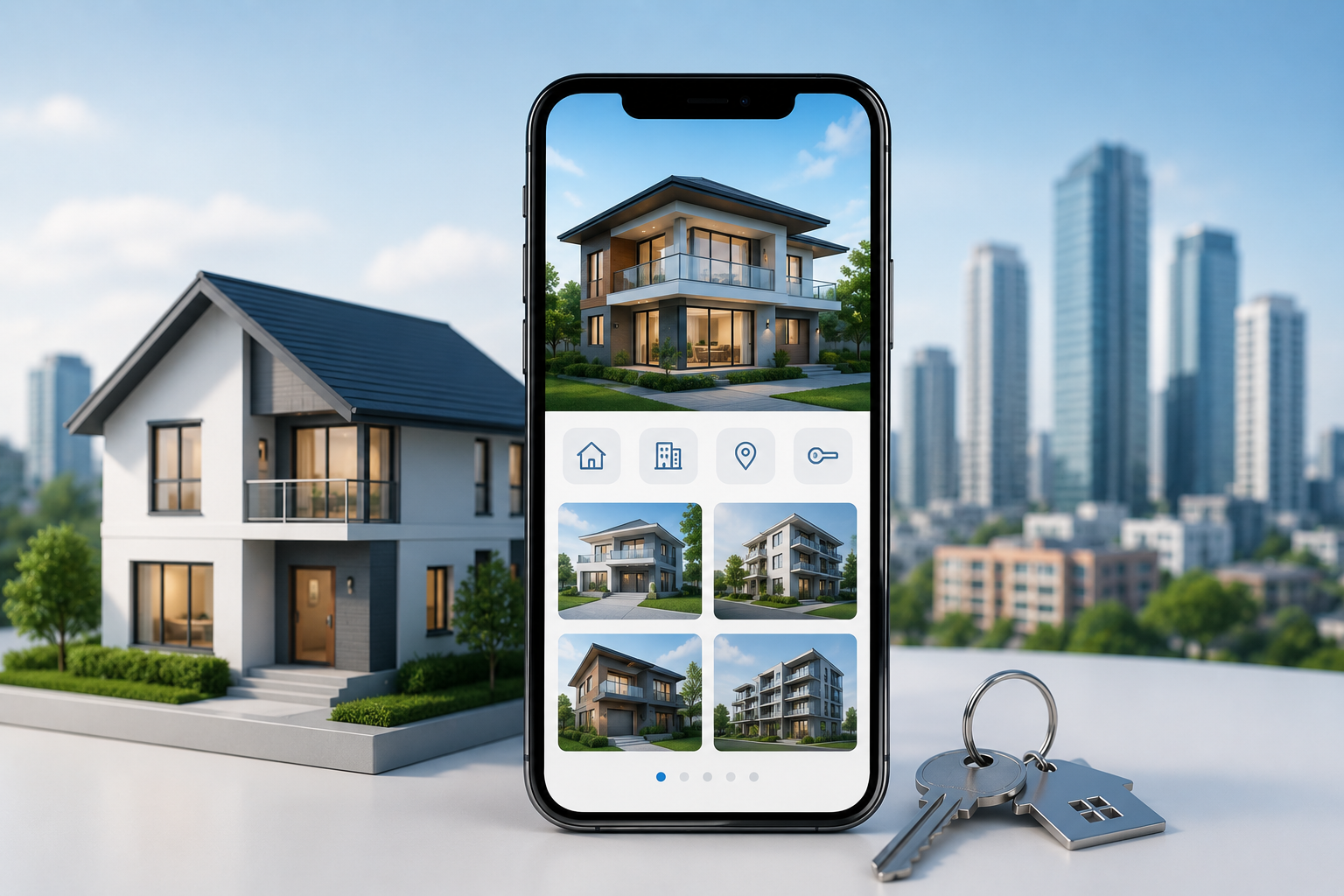
The real estate industry has changed rapidly with the rise of mobile technology. Buyers and investors no longer depend only on newspaper ads or traditional agents to find properties. Today, most property searches begin online, and mobile apps have become an essential tool for real estate businesses. Companies investing in real estate apps can connect with customers faster, improve engagement, and increase property sales.
Table Of Content
- Enhanced User Experience Attracts More Leads
- Real-Time Communication Builds Trust
- Virtual Tours and Advanced Features Increase Conversions
- Real Estate Application Development Helps Businesses Generate Quality Leads
- Social Media and Digital Marketing Integration
- Improved Data Security and Customer Confidence
- Conclusion
A well-designed real estate application offers convenience, speed, and personalized experiences that attract more users. From virtual property tours to instant notifications, these apps simplify the buying and selling process. As competition in the market grows, businesses that adopt advanced digital solutions gain a significant advantage in lead generation and customer conversions.
Enhanced User Experience Attracts More Leads
One of the biggest reasons real estate apps improve lead generation is their ability to provide a smooth user experience. Modern buyers expect fast-loading platforms, easy navigation, and accurate property details. A mobile app allows users to browse listings anytime and anywhere without visiting multiple websites.
Features like smart search filters, location-based recommendations, and saved property options keep users engaged for longer periods. When users have a positive experience, they are more likely to submit inquiries, schedule visits, or contact agents directly through the app.
Additionally, mobile apps help businesses collect valuable customer data. User preferences, search history, and browsing patterns can be analyzed to provide personalized property suggestions. This targeted approach increases the chances of converting visitors into serious buyers.
Real-Time Communication Builds Trust
Communication plays a major role in the real estate business. Buyers often have questions about pricing, availability, financing, and legal details. Real estate apps make communication quicker and more efficient through instant messaging, chat support, and push notifications.
Instead of waiting for email replies or phone calls, users can get immediate responses from agents. Quick communication improves customer satisfaction and builds trust between buyers and real estate companies.
Push notifications are another effective tool for lead generation. Businesses can send alerts about new property listings, price reductions, or upcoming open house events. These notifications encourage users to revisit the app regularly, increasing engagement and conversion opportunities.
Real-time communication also reduces the chances of losing potential buyers to competitors. When customers receive immediate assistance, they are more likely to move forward with the purchase process.
Virtual Tours and Advanced Features Increase Conversions
Modern property buyers prefer to explore homes digitally before making physical visits. Real estate apps equipped with virtual tours, 3D property views, and augmented reality features provide immersive experiences that attract buyers.
Virtual tours save time for both customers and agents by allowing users to evaluate properties remotely. Buyers can examine room layouts, interiors, and surrounding areas directly from their smartphones. This feature helps users make faster decisions and increases the quality of leads.
Advanced technologies such as AI-powered recommendations and mortgage calculators further improve user engagement. AI systems analyze customer behavior to suggest properties that match their interests. Mortgage calculators help buyers estimate monthly payments, making financial planning easier.
These features create a convenient and informative experience for users, which directly contributes to higher conversion rates. Buyers who feel informed and confident are more likely to complete inquiries or property bookings.
Real Estate Application Development Helps Businesses Generate Quality Leads
Businesses investing in real estate application development gain access to powerful tools that improve lead quality and customer targeting. Unlike traditional marketing methods, mobile apps provide direct interaction with users, making it easier to identify serious buyers.
Lead generation forms integrated into apps collect valuable customer information such as budget, preferred locations, and property type. This data helps sales teams focus on high-intent customers instead of spending time on unqualified leads.
Another major advantage of real estate application development is integration with CRM systems. CRM integration allows businesses to manage customer interactions, automate follow-ups, and track user behavior efficiently. Automated reminders and personalized communication increase the chances of converting leads into customers.
Analytics tools within the app also help businesses understand market trends and customer preferences. By analyzing app performance and user engagement, companies can improve their marketing strategies and optimize conversion funnels.
Real estate businesses that invest in mobile app solutions often experience better customer retention and increased sales opportunities compared to companies relying only on traditional websites.
Social Media and Digital Marketing Integration
Real estate apps work effectively with digital marketing strategies. Integration with social media platforms allows users to share property listings instantly with friends and family. This organic sharing increases brand visibility and attracts new potential buyers.
Apps can also support targeted advertising campaigns. Businesses can promote featured properties, luxury apartments, or commercial spaces directly within the app or through connected social media channels. Personalized advertisements based on user interests often generate higher engagement rates.
Referral programs integrated into apps further improve lead generation. Existing users can invite friends or relatives and receive rewards or discounts. This strategy helps businesses gain new customers at lower marketing costs.
Email marketing and SMS campaigns connected to mobile apps also improve customer engagement. Businesses can send personalized offers and property updates that encourage users to return and complete transactions.
Improved Data Security and Customer Confidence
Data security is extremely important in the real estate sector because users often share sensitive personal and financial information. Modern real estate apps include advanced security measures such as encrypted transactions, secure login systems, and protected cloud storage.
When customers feel confident about data protection, they are more willing to use the app for inquiries, document sharing, and payments. Trust plays a major role in conversion rates, especially in high-value transactions like property purchases.
Secure apps also help businesses maintain a professional reputation. Companies that prioritize customer privacy and cybersecurity are more likely to build long-term relationships with clients.
Conclusion
Real estate apps have become a powerful solution for improving lead generation and conversions in today’s digital market. Features like real-time communication, virtual tours, AI recommendations, CRM integration, and secure transactions help businesses attract and retain customers more effectively.
As competition continues to grow, investing in advanced mobile solutions is no longer optional for real estate companies. Businesses that embrace digital innovation can improve customer engagement, increase sales opportunities, and build stronger relationships with buyers.
Partnering with the best fintech app development company can also help real estate businesses integrate secure payment systems, financial tools, and advanced technologies into their apps for even better performance and user satisfaction.





No Comment! Be the first one.