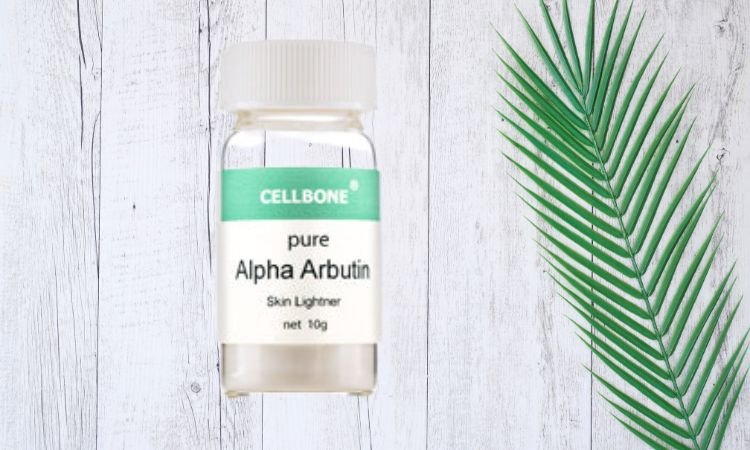
When people talk about “brightening” their skin, they’re usually not chasing unrealistic perfection. What they actually want is a complexion that looks even, healthy, and well cared for. Dark spots, uneven tone, and lingering post-acne marks can make skin appear tired, even when the rest of your routine is solid. That’s where targeted ingredients start to matter.
One of the most dermatologist-recommended options for addressing discoloration is alpha arbutin powder, a gentle brightening ingredient known for helping reduce the appearance of hyperpigmentation without irritating the skin. In this guide, we’ll walk through how alpha arbutin works, how to build a practical brightening routine around it.
Understanding What Alpha Arbutin Does for Skin
Alpha arbutin is a skin-brightening ingredient widely used in dermatology and cosmetic formulations to address uneven pigmentation. It works by slowing down the activity of tyrosinase, an enzyme responsible for producing melanin. When melanin production becomes uneven – often due to sun exposure, inflammation, or hormonal changes – dark spots and discoloration appear.
By helping regulate melanin production, alpha arbutin supports a more balanced skin tone. Unlike harsher depigmenting agents, it’s generally considered gentle enough for regular use, which makes it a popular choice for people dealing with post-inflammatory hyperpigmentation or sun spots.
Another reason many skincare professionals appreciate alpha arbutin powder is its stability. When formulated properly in serums or solutions, it delivers consistent results without the irritation that some brightening ingredients can cause.
Why a Structured Brightening Routine Matters
Skin brightening isn’t just about applying one ingredient and hoping for the best. The skin barrier, hydration levels, and protection from UV damage all play critical roles in how well brightening treatments perform.
A balanced routine typically focuses on three goals:
- Reducing excess pigment formation
- Supporting healthy skin turnover
- Protecting the skin from environmental damage
When these elements work together, brightening ingredients can perform much more effectively.
Step-by-Step Guide to Building a Brightening Routine
Step 1: Start With a Gentle Cleanser
The foundation of any skincare routine is proper cleansing. Dermatologists often recommend a sulfate-free cleanser that removes dirt, oil, and sunscreen without stripping the skin barrier.
A gentle cleanser helps maintain the skin’s natural pH balance, which allows brightening ingredients to work more efficiently. Overly harsh cleansers can disrupt the barrier and actually worsen hyperpigmentation over time.
Step 2: Apply Alpha Arbutin to Target Uneven Tone
After cleansing, the next step is applying a targeted treatment. This is where products containing alpha arbutin powder become the centerpiece of the routine.
When used consistently, alpha arbutin can help fade:
- Post-acne marks
- Sun spots
- Uneven pigmentation
- Melasma-related discoloration
Most dermatologists recommend applying alpha arbutin once or twice daily depending on skin tolerance. It pairs well with hydrating ingredients like hyaluronic acid, which helps maintain moisture levels while the skin adjusts to treatment.
Step 3: Support Skin Hydration and Barrier Health
Brightening treatments work best when the skin barrier is healthy. Hydration helps maintain elasticity and reduces irritation from active ingredients.
A lightweight moisturizer containing ceramides, glycerin, or peptides can help reinforce the skin barrier. These ingredients prevent transepidermal water loss while allowing active treatments to penetrate properly.
Step 4: Never Skip Sunscreen
Sun protection is non-negotiable when treating pigmentation. Ultraviolet radiation triggers melanin production, which can undo progress made by brightening ingredients.
Dermatologists consistently emphasize that daily SPF is one of the most important steps in any skin-brightening routine. Even brief sun exposure can worsen dark spots if skin isn’t protected.
Look for a broad-spectrum sunscreen with SPF 30 or higher, and reapply throughout the day when outdoors.
Combining Brightening Treatments With Skin Repair
Brightening treatments often work best when combined with products that support skin renewal and repair. For example, after applying targeted treatments and hydration, some routines include restorative formulations such as stem cell cream.
These products are designed to support skin regeneration and resilience while the brightening ingredients address pigmentation concerns. By strengthening the skin barrier, restorative creams can help improve overall skin texture and tone over time.
How Long Does It Take to See Results?
One of the most common questions people ask is how long brightening treatments take to work. While individual results vary, most dermatologists suggest giving any brightening routine at least 6-8 weeks.
Skin naturally renews itself approximately every 28 days. As new skin cells replace older ones, discoloration gradually becomes less noticeable.
Consistency matters more than speed. Using products regularly and protecting skin from UV exposure are the biggest factors in seeing visible improvement.
Common Mistakes That Slow Down Brightening Results
Many people unintentionally slow their progress by making small routine mistakes. A few common ones include over-exfoliating, skipping sunscreen, or switching products too frequently.
Brightening ingredients work best when given time to perform. Overloading the skin with too many treatments at once can lead to irritation, which often triggers more pigmentation rather than less.
Keeping the routine simple and consistent tends to deliver the most reliable results.
Frequently Asked Questions
What is alpha arbutin used for in skincare?
Alpha arbutin is used to reduce hyperpigmentation, fade dark spots, and promote a more even skin tone by regulating melanin production.
Is alpha arbutin safe for daily use?
Yes, dermatologists generally consider it safe for daily use when formulated correctly in skincare products.
Can alpha arbutin help with acne scars?
It can help lighten post-inflammatory hyperpigmentation caused by acne, though it does not treat deep scar tissue.
Can alpha arbutin be combined with vitamin C?
Yes. Many skincare professionals recommend pairing them because they support complementary brightening pathways.
How long does it take for alpha arbutin to fade dark spots?
Visible improvement often appears within 6–8 weeks of consistent use.
Can sensitive skin use alpha arbutin?
Most people with sensitive skin tolerate it well, though patch testing is always recommended.

Leave a Comment