



How to Choose the Right Hex Bolt for Construction Projects
When people think about construction, they often picture large structures, heavy machinery, and complex designs. But behind every strong and stable build lies something much smaller—yet just as...

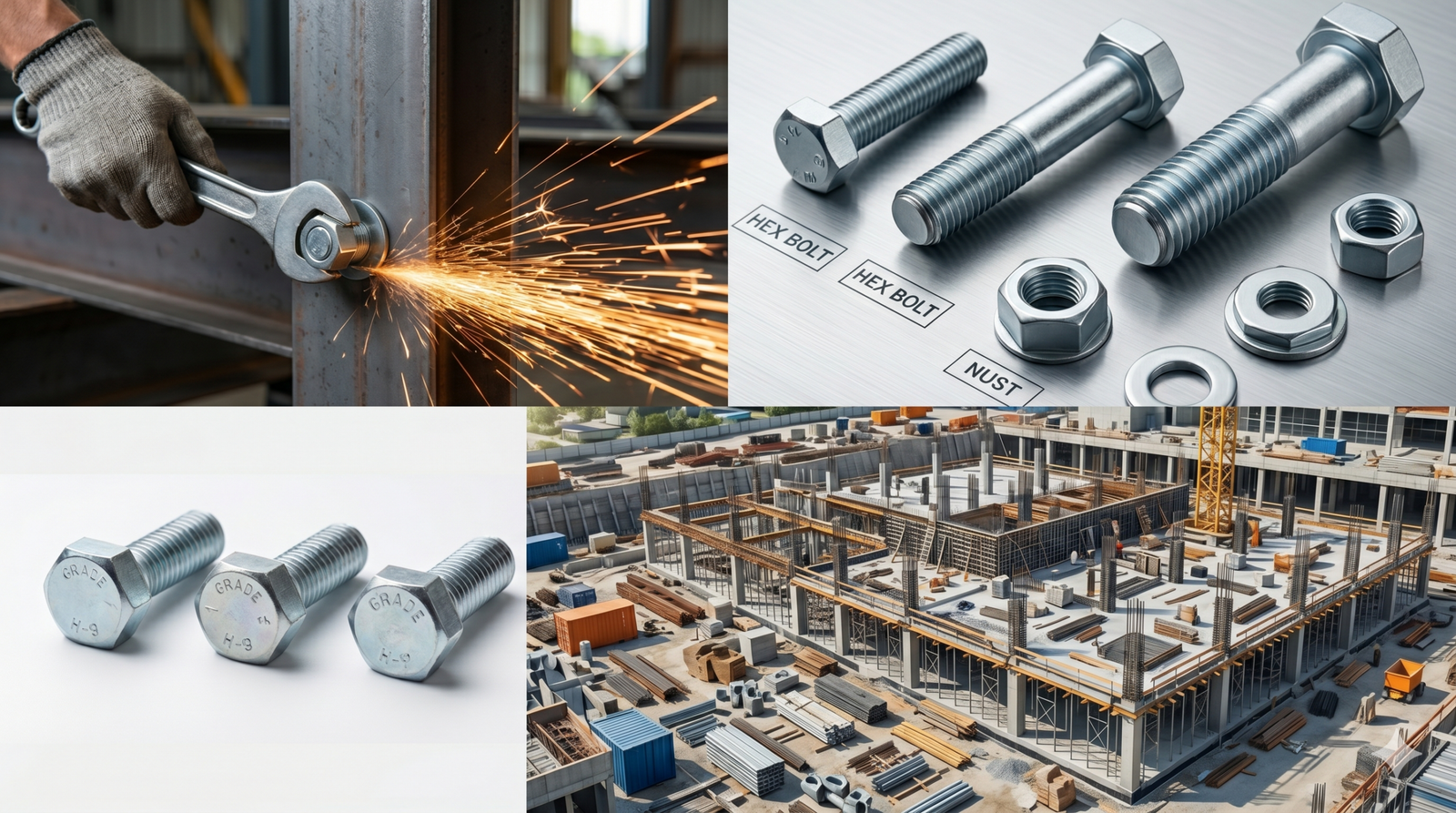
When people think about construction, they often picture large structures, heavy machinery, and complex designs. But behind every strong and stable build lies something much smaller—yet just as important: the right fasteners.
Among these, hexagon bolts play a crucial role. They may seem simple at first glance, but choosing the wrong type can compromise the strength and safety of an entire project. Whether you’re a contractor, builder, or even a DIY enthusiast, understanding how to select the right hex bolt can make a real difference.
Let’s break it down in a practical and straightforward way.
Why Hex Bolts Are So Widely Used
Hex bolts are one of the most trusted fastening solutions in construction—and for good reason. Their six-sided head design makes them easy to grip and tighten with standard tools, while their threaded body ensures a secure hold.
* You’ll find them everywhere:
* Structural frameworks
* Machinery installations
* Wood and metal connections
* General construction applications
Their strength and versatility make them a go-to choice for both small and large-scale projects.
Choosing the Right Hex Bolts Matters
Before diving into technical details, it’s important to start with quality. Using reliable fasteners ensures your structure performs as expected over time. If you’re exploring options, you can check a range of hexagon bolts suited for different construction needs and applications.
Start With the Purpose of Your Project
The first question to ask is simple: What will this bolt actually do?
Not every construction task requires the same level of strength. A bolt used in a steel structure carries far more responsibility than one used in light assembly work.
Think about:
* Load requirements
* Movement or vibration
* Indoor vs outdoor use
Getting clear on the purpose helps narrow down your choices quickly.
Material Makes a Bigger Difference Than You Think
One of the most common mistakes is overlooking the material of the bolt. But this single factor can determine how long your fastener lasts—and how well it performs.
For example:
1. Carbon steel works well for general use and is budget-friendly
2. Stainless steel is ideal when moisture or weather exposure is a concer
3. Alloy steel is built for heavy-duty, high-stress environments
Choosing the right material is less about preference and more about matching the conditions your bolt will face.
Size Isn’t Just a Detail—It’s Critical
It might seem obvious, but size selection is where many projects go wrong.
A bolt that’s too short won’t hold properly. One that’s too long may not fit or distribute pressure correctly. The diameter also affects how much load the bolt can safely handle.
To get it right:
* Match the bolt length to the material thickness
* Ensure proper thread engagement
* Choose a diameter suitable for the load
Precision here leads to stability later.
Don’t Ignore Strength Grades
If you’ve ever noticed numbers stamped on a bolt head, those indicate its grade—and they matter more than most people realize.
Higher-grade bolts are designed to handle more stress and are essential for structural work. Lower grades might be fine for lighter tasks, but using them in demanding applications can lead to failure.
In short, always match the bolt strength to the job—not the other way around.
Consider the Environment
Construction doesn’t happen in a vacuum. Weather, humidity, and exposure to elements all affect how a bolt performs over time.
For outdoor or high-moisture environments:
* Look for corrosion-resistant coatings
* Consider galvanized or stainless steel options
* Avoid materials prone to rust
Ignoring environmental factors often leads to early wear and unnecessary replacements.
Threads and Fit: Small Details, Big Impact
Threads may seem like a minor detail, but they directly affect how securely everything holds together.
Coarse threads are easier to work with and perform well in softer materials. Fine threads, on the other hand, offer a tighter grip and are better suited for precision applications.
The key is compatibility—make sure your bolt, nut, and material all work together seamlessly.
Ease of Installation Still Matters
Even the best bolt won’t perform well if it’s difficult to install properly.
Hex bolts are popular partly because they’re easy to work with using common tools. This saves time on-site and reduces the chances of installation errors.
For larger projects, this efficiency can have a noticeable impact on timelines and labor costs.
Think Long-Term, Not Just Price
It’s tempting to go for the cheapest option—especially when buying in bulk. But low-quality fasteners often cost more in the long run due to replacements, repairs, or even structural issues.
Instead, focus on:
* Consistent performance
* Reliability
* Durability
A slightly higher upfront cost often means fewer problems down the line.
Common Mistakes to Watch Out For
Even experienced professionals can make simple mistakes when selecting bolts. Some of the most common include:
* Choosing the wrong size or length
* Ignoring environmental conditions
* Using low-grade bolts for heavy loads
* Mixing incompatible threads
* Prioritizing cost over quality
Avoiding these pitfalls can save both time and money.
Final Thoughts
At first glance, hex bolts might seem like a small part of a much bigger picture—but in construction, small details often have the biggest impact.
Choosing the right hex bolt isn’t just about fitting parts together. It’s about ensuring strength, safety, and long-term reliability. From material and size to environmental conditions and installation, every factor plays a role.
When done right, these decisions help create structures that stand strong for years to come.
So the next time you’re selecting fasteners, take a moment to choose wisely—because the strength of your project depends on it.



No Comment! Be the first one.