


How to Find the Perfect Nature-Inspired Home Without Compromising on Connectivity
The concept of an ideal home has evolved significantly. Previously, proximity to business districts was a primary concern. Now, homebuyers increasingly value greenery, clean surroundings, open skies,...

The concept of an ideal home has evolved significantly. Previously, proximity to business districts was a primary concern. Now, homebuyers increasingly value greenery, clean surroundings, open skies, and quieter environments. However, convenient access to daily essentials and reliable infrastructure remains essential. As a result, the search for a nature-inspired home now focuses on achieving balance rather than isolation.
Table Of Content
A peaceful environment can enhance daily life in ways often appreciated only after experiencing them. Tree-lined surroundings, reduced traffic noise, and open spaces can make routines less exhausting. After years of ongoing urban development, many homebuyers now value emotional comfort as much as practical convenience.
Why Connectivity Still Matters
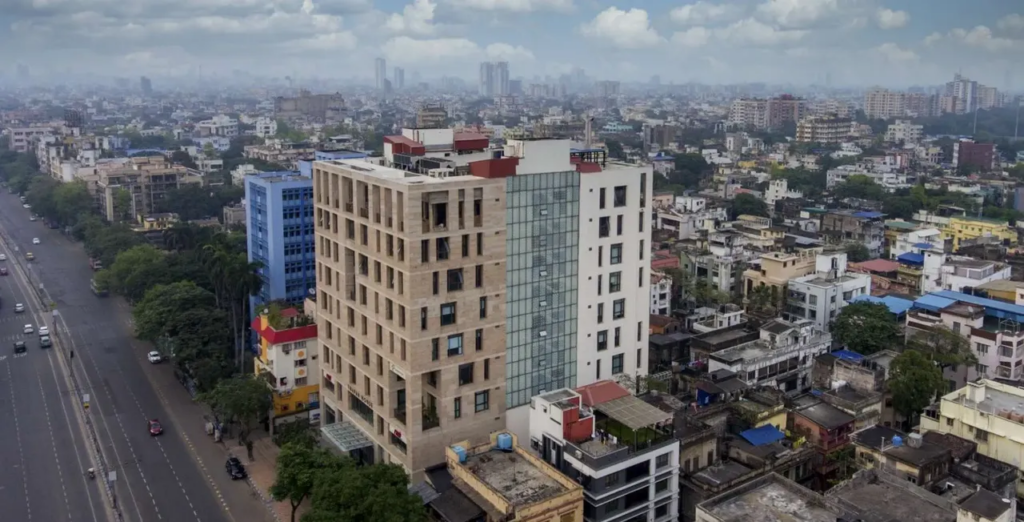
Selecting a home purely for its scenic surroundings can be challenging if connectivity is overlooked. Locations that seem appealing during brief visits may later prove impractical due to distance from offices, schools, hospitals, or transport links. A nature-focused home should support daily life rather than feel disconnected from it.
Many buyers overlook how a neighbourhood functions during working days. Weekend visits often present a calmer version of the area. Observing traffic, public transport, and travel times during office hours provides a more accurate picture of practicality. Even attractive settings can become exhausting if commuting is too time-consuming.
The Shift Towards Better Planned Communities
Infrastructure improvements have changed how people assess residential locations. Areas once considered remote are now more accessible due to metro expansions, wider roads, and improved highways. Developers are responding by creating communities that integrate greenery with urban convenience.
Projects such as Vanaha Verdant by Shapoorji Pallonji Real Estate reflect this growing preference for homes that offer a natural atmosphere while remaining connected to key city areas. These development ideas show how it is possible to experience open surroundings and natural settings without sacrificing access to work, education, healthcare, and entertainment.
Looking Beyond Decorative Greenery
The quality of planning within a residential development is also crucial. Nature-inspired living should extend beyond decorative landscaping at the entrance. Effective planning considers ventilation, building density, tree preservation, walking spaces, and natural light throughout the community. While some developments use greenery for visual appeal, others create genuinely comfortable and breathable environments.
These differences become clear once residents move in. Projects with overcrowded towers, limited sunlight, and reduced open spaces often fail to deliver the peaceful atmosphere promised in marketing materials. Buyers who review layout plans and the distribution of open areas often make better long-term choices.
Understanding the Surrounding Area
The surrounding neighbourhood also requires careful consideration. A project may be well-designed internally, but nearby construction, traffic congestion, or poor civic planning can impact the living experience. Visiting at various times of day provides a realistic view of noise, congestion, and accessibility.
Conversations with existing residents can reveal details that brochures often avoid. People already living nearby often provide practical insights about water supply, monsoon conditions, public transport reliability, and future development plans. These factors significantly affect daily comfort.
The Importance of Long-Term Planning
Connectivity is now measured by travel time rather than distance. Some areas outside city centres offer easier access due to better roads and less congestion, while crowded areas may take longer to reach, even though they are closer.
As cities expand, homebuyers are increasingly valuing residential zones that provide breathing space without full separation from urban infrastructure. The aim is to create healthier living conditions within easy reach of the city.
Evaluating Project Reliability
Long-term comfort in a nature-inspired home depends on the project’s ongoing reliability. Well-maintained community spaces, responsible construction, and consistent upkeep of greenery indicate lasting quality. Residents benefit most when these standards are maintained over time.
For this reason, many buyers review project reliability, upkeep standards, and documentation before committing. That is how some of the best real estate companies give buyers peace of mind that the project will support comfortable long-term living.
Conclusion
Ultimately, the ideal nature-inspired home is not just surrounded by greenery, but also supports daily life without unnecessary complications. A well-balanced home allows residents to enjoy calm surroundings while maintaining access to the opportunities and conveniences of modern living.



No Comment! Be the first one.