


How to Strengthen Your Research Paper for Better Publication Outcomes
Publishing a research paper feels like climbing a steep mountain. You spend months collecting data, writing drafts, and refining your arguments. Then you hit the submit button. Weeks later, a...

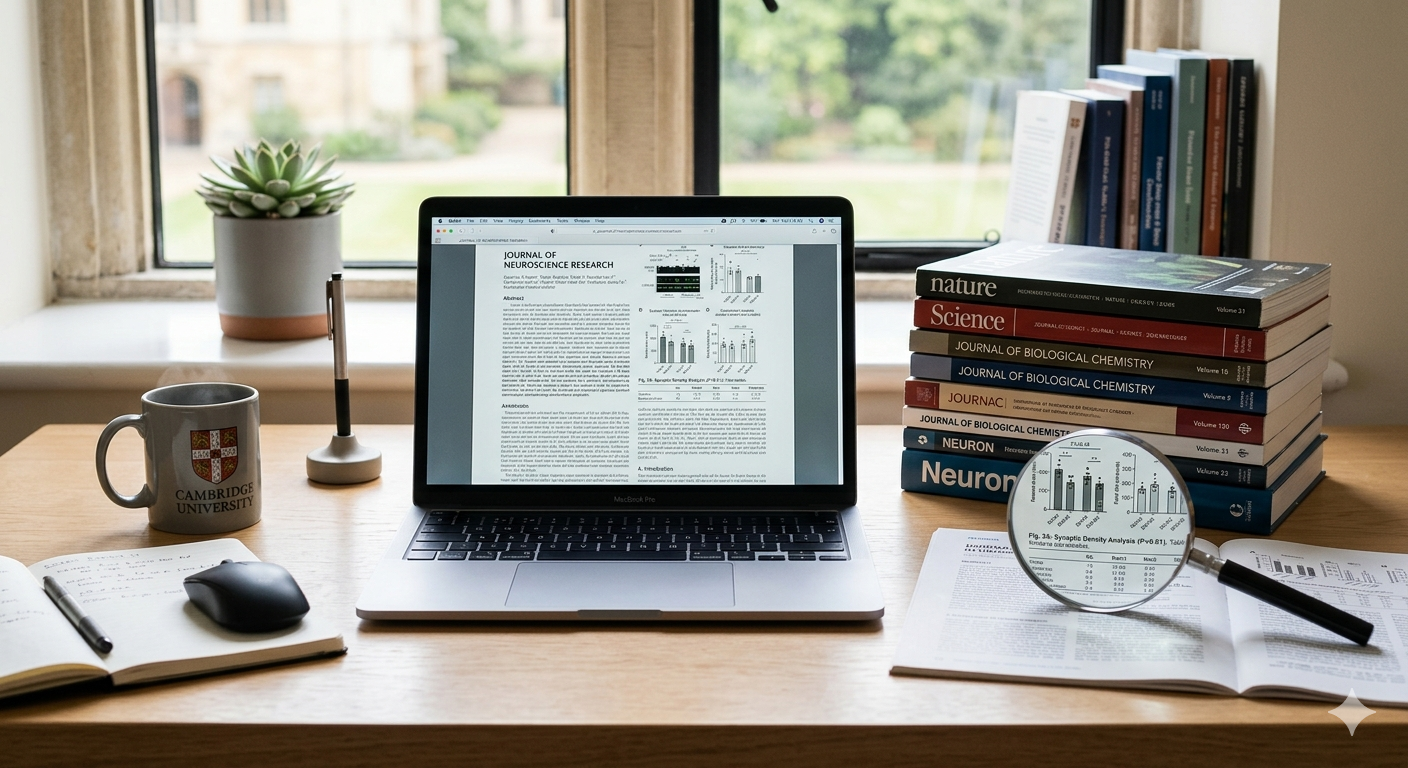
Publishing a research paper feels like climbing a steep mountain. You spend months collecting data, writing drafts, and refining your arguments. Then you hit the submit button. Weeks later, a rejection email arrives. Many scholars experience this exact moment. The good news is that rejection rarely means your work lacks value. Most rejections stem from fixable issues that appear before peer reviewers finish the first paragraph. Understanding these patterns helps you adjust your strategy before you send your manuscript out again.
Table Of Content
- Why Papers Face Rejection
- Methodological Gaps and Statistical Flaws
- Weak Literature Reviews and Unclear Research Questions
- Poor Formatting and Ignoring Journal Guidelines
- How Professional Help Changes the Game
- Targeted Journal Selection and Scope Matching
- Pre-Submission Peer Review and Editorial Feedback
- Building Long Term Success with Research Publication Support
- Structuring Your Manuscript for Maximum Clarity
- Navigating Peer Review with Confidence
- Actionable Steps to Strengthen Your Next Submission
- Conclusion
Academic journals receive thousands of submissions every year. Top tier publications reject more than eighty percent of their incoming papers. Editors do not reject studies because they dislike the topic. They reject manuscripts that fail to meet basic standards of clarity, methodology, and journal alignment. You can turn this statistic into your advantage by focusing on the exact areas that editors evaluate during the initial screening phase.
Why Papers Face Rejection
Editors follow strict criteria when they decide whether a manuscript deserves peer review. The initial desk review takes only a few hours, yet it determines the entire fate of your paper. Understanding the common pitfalls saves you months of unnecessary waiting. The academic community tracks these patterns closely, and the most frequent Reasons Research Papers Get Rejected align with predictable structural and technical gaps.
Methodological Gaps and Statistical Flaws
Reviewers expect your methods section to read like a precise recipe. Another researcher must replicate your experiment using only your written instructions. Vague sampling strategies, missing control groups, or unclear statistical tests raise immediate red flags. The Committee on Publication Ethics emphasizes transparency as a core requirement for academic integrity. When your methodology lacks detail, editors assume the results cannot withstand scrutiny. You must document every step clearly and justify your analytical choices with established statistical frameworks.
Weak Literature Reviews and Unclear Research Questions
A strong literature review does more than list previous studies. It identifies gaps and positions your work within an ongoing scholarly conversation. Many authors simply summarize existing papers without synthesizing them. This approach leaves readers wondering why your study matters. Editors want to see a direct line between the existing research gap and your specific research question. If your question sounds broad or disconnected from current debates, reviewers will question the novelty of your contribution. You need to frame your research question with precision and show exactly how your findings advance the field.
Poor Formatting and Ignoring Journal Guidelines
Academic journals publish detailed author guidelines for a reason. They want submissions that match their structural and stylistic standards. Ignoring word limits, reference formats, or figure requirements signals carelessness to the editorial team. Major publishers like Elsevier and Springer Nature both report that formatting errors rank among the fastest reasons for immediate desk rejection. You can avoid this trap by reading the author instructions twice before you submit. Use reference management software to handle citations accurately. Check every heading level, table caption, and image resolution against the journal checklist. Attention to detail proves that you respect the editorial process.
How Professional Help Changes the Game
Many early career researchers attempt to navigate the publication process alone. They write the paper, format the references, and submit without external feedback. This approach often leads to repeated rejections and wasted time. Professional research publication services exist to bridge the gap between academic expertise and editorial expectations. These services do not rewrite your science. They optimize your presentation, align your manuscript with target journals, and prepare your work for rigorous peer review.
Targeted Journal Selection and Scope Matching
Choosing the right journal matters more than most authors realize. Submitting a highly specialized clinical study to a broad interdisciplinary journal guarantees mismatched expectations. Editors immediately reject papers that fall outside their stated scope. Professional publication teams analyze citation metrics, audience demographics, and recent editorial priorities to recommend the best fit. They also help you avoid predatory publishers by verifying indexing status and editorial board credentials. This strategic matching increases your chances of passing the initial screening and reaching qualified reviewers.
Pre-Submission Peer Review and Editorial Feedback
You cannot spot every structural weakness in your own writing. Familiarity breeds blind spots. Independent experts review your manuscript before you submit it to a journal. They evaluate logical flow, argument strength, and data interpretation. They highlight sections that confuse readers or lack proper context. This pre submission review acts as a dress rehearsal for the actual peer review process. You address the feedback, refine your arguments, and submit a much stronger manuscript. For authors who want to streamline this phase, reviewing a comprehensive manuscript review guide provides actionable benchmarks before you begin your final draft.
Building Long Term Success with Research Publication Support
Publication support extends far beyond a single manuscript submission. It builds a sustainable framework for your entire academic career. You develop consistent habits, learn editorial expectations, and create a repeatable workflow for future papers. Research publication support transforms isolated writing efforts into a systematic publishing pipeline.
Structuring Your Manuscript for Maximum Clarity
Readers and reviewers process information sequentially. They expect a clear narrative that moves from problem to solution. The IMRaD structure remains the gold standard for scientific papers. Introduction, Methods, Results, and Discussion each serve a distinct purpose. Your introduction must state the problem and justify the study. Your methods must explain the procedure without ambiguity. Your results must present data objectively. Your discussion must interpret findings and acknowledge limitations. You should avoid mixing these sections. Keeping them distinct prevents confusion and helps reviewers follow your logic.
Navigating Peer Review with Confidence
Peer review often feels like a high stakes examination. Reviewers submit detailed comments that range from minor wording suggestions to major methodological critiques. You must respond to every point systematically. Create a point by point response letter. Quote each reviewer comment, explain your revision, and reference the exact page where you made the change. Maintain a respectful tone throughout. Disagreements happen, but you should address them with evidence and academic courtesy. Editors notice when authors handle criticism professionally. This approach builds trust and increases your chances of eventual acceptance.
Actionable Steps to Strengthen Your Next Submission
You can implement several proven strategies before your next submission. Start by mapping your research question to a specific journal scope. Draft a detailed methodology section that allows full replication. Run your manuscript through a grammar and clarity checker. Remove jargon that alienates non specialist readers. Verify every citation against the original source. Check that all figures meet the required resolution and formatting standards. Request feedback from two colleagues who work outside your immediate subfield. Their fresh perspective will highlight confusing passages that you already understand too well.
Consider timing your submission carefully. Many journals experience submission spikes after major conferences. Submitting during quieter periods sometimes shortens editorial waiting times. Track your submission history in a simple spreadsheet. Record journal names, submission dates, reviewer feedback, and final outcomes. This data reveals patterns in your writing and helps you adjust your strategy over time. You will quickly notice which journals respond faster and which editorial standards align with your research style. Authors who maintain organized records often cut their revision cycles by half. You can find a reliable peer review response template to standardize your communication with editorial boards.
Conclusion
Academic publishing rewards preparation, clarity, and strategic thinking. Rejection rarely reflects poor science. It usually reflects poor alignment, weak presentation, or overlooked technical standards. You can fix all three with deliberate practice and professional guidance. Research publication services and structured support systems remove the guesswork from the submission process. They help you present your work exactly the way editors expect it. You spend less time revising rejected drafts and more time advancing your research agenda.
The path to successful publication does not require perfection. It requires precision. You must align your manuscript with journal expectations, communicate your methodology transparently, and respond to feedback with professionalism. Follow these steps consistently and you will transform rejection into a stepping stone. Your research deserves an audience. Give it the strongest possible foundation before you hit submit.




No Comment! Be the first one.