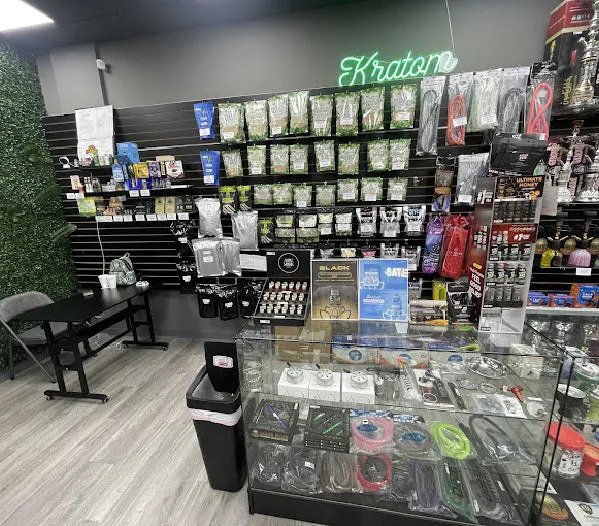
For decades, the apparatuses used for botanical relaxation were viewed merely as utilitarian tools—cheaply manufactured, easily replaceable, and kept hidden away. However, a profound cultural shift has occurred within the industry. A vibrant, highly skilled community of independent glassblowers has elevated the creation of water pipes and rigs from simple manufacturing to a legitimate, highly sought-after form of fine art. Today, collectors are investing thousands in unique, hand-blown pieces that blend mesmerizing aesthetics with flawless fluid dynamics. This is no longer just about functionality; it is about owning a piece of modern, functional sculpture. Navigating this high-end collector’s market requires an appreciation for the medium and access to authentic artists. Moving beyond generic retail and building a relationship with a high-calibre Smoke Shop Morrow that curates genuine, artist-signed pieces is the first step in transitioning from a casual consumer to a serious investor in functional glass art.
The Distinction of American Borosilicate Craft
The foundation of the functional glass art movement rests heavily on the use of high-grade American borosilicate glass. Unlike the thin, easily shattered soft glass imported from overseas mass-production lines, American borosilicate requires incredibly high temperatures to manipulate and is renowned for its immense durability and thermal resistance. When an appraiser evaluates a piece, the source of the raw material is the first metric of quality. True artisans pull their own tubing, mix their own colour rods, and spend hundreds of hours at the torch perfecting complex techniques like ‘millefiori’ (glass canes containing intricate patterns), ‘reticello’ (crisscrossing glass lines), and fumed colour-changing effects. Understanding the intense labour, raw material costs, and years of apprenticeship required to master borosilicate manipulation is essential for justifying the premium price tags associated with these functional masterpieces.
Understanding Fluid Dynamics and Percolator Design
While the visual aesthetic is the immediate draw, the true genius of a functional glass piece lies in its internal engineering. An artist must balance stunning external architecture with flawless fluid dynamics to ensure the piece actually performs its primary function: cooling and filtering vapour. The heart of this engineering is the percolator. Advanced collectors scrutinise the design of the percolation system—whether it is a complex ‘faberge egg’ design that forces water to continually recycle, a multi-slit ‘showerhead’, or a visually stunning ‘swiss cheese’ baffle system. A masterfully designed piece will have zero drag, offering an effortless draw where the water stacks perfectly without splashing into the mouthpiece. The marriage of stunning external art with microscopic, mathematically precise internal engineering is what elevates a piece from a pretty object to a highly valuable, functional investment.
The Value of the Artist’s Signature and Provenance
In the traditional fine art world, provenance and the artist’s signature dictate the value of a painting; the functional glass market operates on the exact same principles. As artists build their reputations and their work becomes highly sought after, the value of their earlier pieces often appreciates significantly on the secondary market. A reputable gallery or premium retail shop will ensure that high-end pieces are accompanied by authenticity verification, often sandblasted or etched with the artist’s signature and the year of creation. Collectors actively follow specific glassblowers, tracking their evolving styles and attempting to acquire pieces from limited “drops” or collaborative series where two famous artists work on a single piece together. Securing an authentic, signed piece from a recognised artisan ensures that the purchase is not merely an expense, but a tangible asset that holds its value within the community.
The Responsibility of Maintenance and Display
Acquiring a piece of functional glass art carries the responsibility of meticulous maintenance. Allowing an expensive, intricately fumed piece to become stained with resin is akin to leaving a classic car out in the rain. High-end collectors utilise specific, non-abrasive cleaning solutions—often isopropyl alcohol and coarse salt—to dissolve buildup without scratching the delicate internal glass walls. Boiling water or harsh chemical degreasers should never be used, as they can cause thermal shock or leave toxic residues. Furthermore, these pieces demand proper display. They belong in well-lit, secure curio cabinets, not pushed to the back of a closet. By treating the piece with the reverence it deserves through rigorous cleaning routines and prominent display, the collector preserves both the functional integrity and the aesthetic brilliance of their investment for generations.
Conclusion
The functional glass art movement has definitively erased the line between utilitarian smoking tools and fine art investment. By learning to identify high-quality American borosilicate, appreciating the complex internal fluid dynamics of advanced percolators, and valuing the provenance of an artist’s signature, enthusiasts can build collections of immense aesthetic and financial worth. It is a celebration of modern, functional craftsmanship.
Call to Action
Elevate your collection and invest in authentic craftsmanship by exploring our heavily curated gallery of signed, functional glass art from renowned independent artists.


Leave a Comment