


Luxury Business Card Ideas That Impress Clients Instantly
Luxury branding begins before you say a single word. The moment a client touches your business card, judgment begins. A luxury card communicates that every detail of your brand matters. It signals...

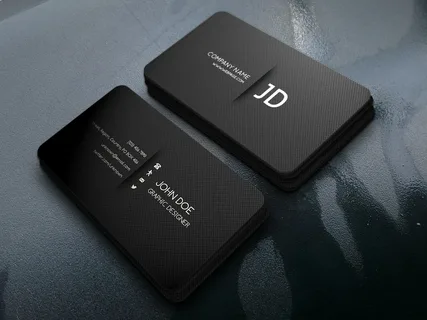
Luxury branding begins before you say a single word. The moment a client touches your business card, judgment begins. A luxury card communicates that every detail of your brand matters. It signals financial confidence, design sophistication, and absolute professionalism. Clients who receive luxury cards make immediate and lasting brand associations. Understanding what creates a luxury card experience is essential for premium brands.
Table Of Content
- Defining Luxury in Business Card Design
- The Psychology of Luxury First Impressions
- What Separates Luxury Cards From Premium Cards
- Material Choices That Define Luxury Business Cards
- Ultra-Thick Duplex and Triplex Cardstock
- Cotton and Fine Paper Stocks
- Metal, Stone, and Unconventional Materials
- Finishing Techniques That Define Luxury Card Production
- Foil Stamping in Gold, Silver, and Beyond
- Spot UV for Sophisticated Visual Contrast
- The Refined Sophistication of Embossing
- Design Principles That Guide Luxury Card Creation
- Negative Space as a Luxury Signifier
- Restraint in Color and Typographic Choices
- Personalizing Luxury Cards for Maximum Client Impact
Defining Luxury in Business Card Design
Luxury in design is about material quality, craft, and intentional restraint. It is not about spending the most money on flashy elements. True luxury is expressed through precision, proportion, and purposeful detail. A luxury card might feature a single raised logo on thick white stock. Its power comes from what is not there as much as what is. This restraint is the defining characteristic of genuinely luxurious design.
The Psychology of Luxury First Impressions
Psychologists confirm that first impressions are formed within seconds. The physical quality of a business card contributes to this instant judgment. A heavy, velvety card signals investment and professionalism immediately. This signal is processed subconsciously before rational evaluation begins. The client’s brain creates a quality association that persists throughout your relationship. Investing in a luxury card is therefore an investment in relationship foundation.
What Separates Luxury Cards From Premium Cards
Premium cards use quality materials and clean design competently. Luxury cards go beyond competence into the territory of genuine craft. They involve multiple finishing techniques layered with intention and skill. They use materials selected for sensory as well as visual impact. They are often produced in smaller quantities with greater individual attention. The difference between premium and luxury is felt, not just seen.
Material Choices That Define Luxury Business Cards
Material selection is the foundation of any luxury card experience. The weight, texture, and composition of the card communicate instantly. Luxury clients handle cards with greater attention and appreciation. They notice the difference between standard and extraordinary materials. Choosing the right material is therefore the most important luxury design decision. Everything else builds on this foundational choice.
Ultra-Thick Duplex and Triplex Cardstock
Standard business cards use cardstock between 14pt and 16pt thickness. Luxury cards begin at 32pt, which is made by laminating multiple layers together. Duplex cards bond two sheets to create a distinctly substantial feel. Triplex cards add a third layer, often in a contrasting color on the interior. This visible colored interior edge creates a sophisticated, branded detail. The physical weight of these cards conveys authority and seriousness instantly.
Cotton and Fine Paper Stocks
Cotton paper offers a soft, natural texture unlike any synthetic cardstock. It has a subtle warmth that feels almost organic and deeply personal. Fine letterpress papers have a beautiful, laid texture that photographs exquisitely. These natural papers communicate artisanal values and a commitment to craft. They suit brands in creative industries, luxury hospitality, and personal consulting. The naturalistic quality of cotton paper feels both premium and beautifully understated.
Metal, Stone, and Unconventional Materials
Truly extraordinary luxury cards explore materials beyond paper entirely. Stainless steel cards have a weight and permanence that paper cannot approach. Titanium cards are impossibly thin yet convey extraordinary exclusivity. Slate or marble-effect acrylic cards communicate sophistication through sheer visual surprise. Wood veneer cards feel warm, organic, and unmistakably handcrafted in quality. These unconventional materials create cards that recipients never discard or forget.
Finishing Techniques That Define Luxury Card Production
Finishing techniques are where luxury cards truly distinguish themselves. Multiple layered finishes create cards with rich visual and tactile complexity. Each finish serves a specific function in communicating luxury brand values. The combination of finishes creates a cumulative effect that is deeply impressive. Professional printers who specialize in luxury finishing are essential partners. The execution of these techniques determines whether the card truly reads as luxury.
Foil Stamping in Gold, Silver, and Beyond
Foil stamping is one of the most recognizable luxury finishing techniques. Gold foil instantly communicates warmth, celebration, and timeless prestige. Silver foil reads as cool, contemporary, and quietly authoritative. Copper foil has a warmth that sits beautifully between gold and silver. Holographic foil creates a playful, multidimensional shimmer on design surfaces. Even minimal foil application — a stamped logo or border — elevates dramatically.
Spot UV for Sophisticated Visual Contrast
Spot UV applies a high-gloss coating to specific areas of the card surface. The contrast between matte and gloss surfaces creates beautiful visual depth. Light catches the glossy areas differently as the card is tilted and turned. This dynamic visual quality makes the card more engaging to look at. Recipients often tilt and turn the card to fully explore the effect. That extended engagement deepens their interaction with your brand identity.
The Refined Sophistication of Embossing
Embossing is perhaps the most inherently luxurious of all finishing techniques. It creates a raised, three-dimensional element on the card’s surface. Using blind embossed business cards achieves maximum elegance through absolute restraint in color use. The design is visible only through light, shadow, and the sense of touch. This quietness communicates extraordinary confidence in the brand’s visual identity. Only brands that trust their design implicitly choose this invisible-yet-powerful approach.
Design Principles That Guide Luxury Card Creation
Luxury card design follows specific principles that guide every decision. These principles ensure that individual choices contribute to a unified luxury impression. Violating these principles, even with expensive materials, produces cards that feel confused. Following them consistently creates cards that communicate luxury coherently.
Negative Space as a Luxury Signifier
Generous negative space is one of the clearest luxury signals in design. Crowded cards suggest insecurity and a desire to include everything. Spacious cards communicate absolute confidence in their essential elements. A luxury card may feature only a name, title, and embossed logo. The surrounding white space amplifies each element’s weight and importance. This principle applies universally across all luxury design contexts.
Restraint in Color and Typographic Choices
Luxury design consistently favors restraint over variety and complexity. A single sophisticated typeface communicates more than three competing fonts. A carefully chosen color palette of one or two tones reads as refined. Adding more elements rarely adds luxury; it most often diminishes it. The discipline to subtract rather than add is the luxury designer’s greatest skill. This disciplined restraint produces cards that feel effortlessly authoritative.
Personalizing Luxury Cards for Maximum Client Impact
Personalized luxury cards create an experience beyond standard luxury. Addressing a client by name with a hand-finished detail is extraordinary. Adding a personal note in quality ink on the card back creates intimacy. A wax-sealed card envelope creates an experience before the card is even seen. These personalization layers communicate that this client is not just another contact. They communicate that you view this relationship as genuinely singular and valuable.


No Comment! Be the first one.