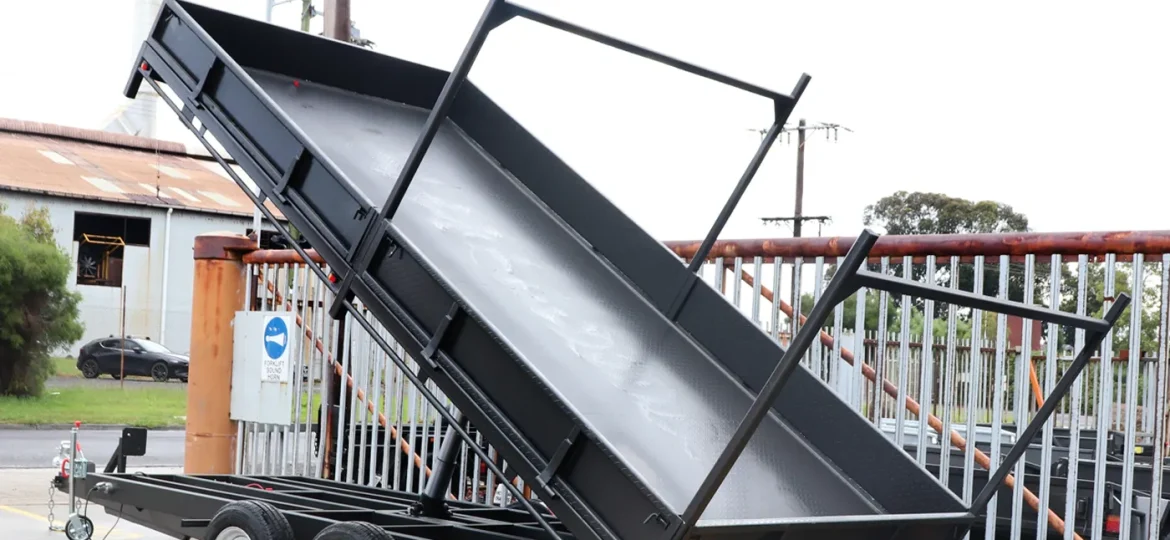
A manual tipper trailer is widely used in agriculture, construction, and local transport for carrying loose materials such as soil, sand, or crops. Choosing the right trailer is important because it affects daily work, safety, and long-term use. Many buyers focus only on price, which often leads to poor decisions. The correct approach is to evaluate key features before buying. This helps ensure that the trailer meets your needs and performs reliably over time.
Load Capacity and Trailer Size
Load capacity is the maximum weight a trailer can safely carry. Selecting the correct capacity is essential to avoid overloading, which can damage the trailer and affect stability on the road. At the same time, choosing a trailer that is too large may reduce efficiency and increase operating effort. Before buying, it is important to check:
- Maximum load capacity based on the type of materials you carry
- Internal dimensions to ensure the trailer can hold the required volume
- Compatibility with the towing vehicle for safe and stable movement
Choosing the right size and capacity helps maintain balance during transport and ensures that the trailer supports your daily tasks without unnecessary strain.
Build Material and Durability
The material used in a trailer affects its strength and overall lifespan. Most trailers are made from steel, which offers good durability and can handle heavy loads. Some models also include coatings that help protect the surface from rust and regular wear.
Buyers should check the thickness of the body panels and examine the frame’s strength. Strong welding and a stable base improve performance during repeated use. A well-built trailer can handle rough conditions and frequent loading without damage. This becomes important when the trailer is used regularly in demanding environments.
Tipping Mechanism and Handling Effort
The tipping mechanism allows the trailer bed to be lifted manually to unload materials. Its design plays a key role in determining how easy the trailer is to operate during daily work. A poorly designed system can increase effort and reduce efficiency.
A good mechanism should allow smooth lifting without requiring excessive force. Balanced weight distribution and a strong pivot point improve handling. Buyers should also check how quickly the trailer returns to its original position after unloading. A reliable system supports faster work and reduces physical strain over time.
Axle Setup and Stability
Axle setup affects how the trailer handles movement and distributes weight. A single-axle trailer is easier to control and is suitable for lighter loads and smaller work areas. It is preferred for tasks where space is limited and flexibility is required.
A twin-axle trailer offers better stability and improved balance, especially when carrying heavier loads. It performs well on uneven ground and during longer transport routes. Buyers should select the axle type based on their work conditions. Stability becomes important when the trailer is used frequently or on varied terrain.
Safety and Control Features
Safety features are important for ensuring controlled and secure operation during transport. These features help reduce risks when handling heavy loads and improve overall confidence during use. A trailer with proper safety elements supports safer working conditions. Key features to check include:
- Braking system to improve control when carrying heavy loads
- Locking mechanism to keep the trailer bed secure during movement
- Reflectors and visibility elements for safer use on roads
These features contribute to better control and reduce the chances of accidents. They also help ensure that the trailer meets basic safety expectations during regular use.
Maintenance Requirements
Regular maintenance is required to keep the trailer in good working condition. A trailer that is easy to maintain will perform better over time and reduce the chances of unexpected repairs. Proper upkeep also supports consistent performance in daily operations. When reviewing maintenance needs, consider:
- Ease of access to parts such as axles, joints, and tyres
- Availability of spare parts in the local market
- Simplicity of routine servicing
A trailer that is simple to maintain saves time and effort. It also ensures that minor issues can be addressed quickly without affecting work.
Price Evaluation and Market Check
When reviewing a tipper trailer for sale, it is important to look beyond the price. Lower-priced options may use weaker materials or offer fewer features, which can lead to higher costs over time. Buyers should focus on overall value rather than initial cost.
It is important to compare options and verify that the trailer meets your requirements. Build quality, load capacity, and ease of use should be considered before making a decision. Spending slightly more on a reliable trailer can reduce long-term issues and improve performance. A careful comparison helps ensure better value.
Conclusion
Buying a trailer requires careful review of features that affect performance and reliability. Load capacity, build quality, tipping ease, and safety features should guide the decision. A well-selected manual tipper trailer can support daily work without frequent problems. Before choosing a tipper trailer for sale, it is important to assess your needs and carefully review each feature. A practical approach helps ensure that the trailer remains useful and reliable over time.

Leave a Comment