


Massage Therapy Solutions for Modern Active Lifestyles
Active living is celebrated and encouraged across health communities worldwide. Running, cycling, CrossFit, yoga, team sports, and recreational hiking are all popular. People invest considerable...

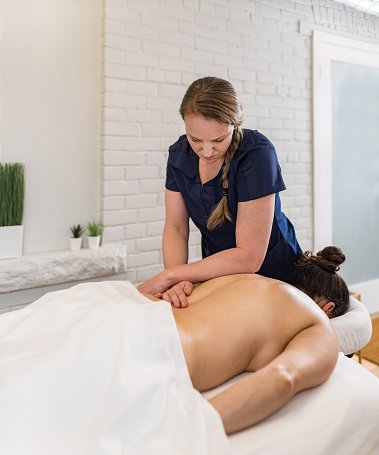
Active living is celebrated and encouraged across health communities worldwide. Running, cycling, CrossFit, yoga, team sports, and recreational hiking are all popular. People invest considerable time, money, and effort into maintaining their active lifestyles. However, the physical demands of sustained activity accumulate in the body over time. Without adequate recovery support, active individuals are vulnerable to overuse injuries and burnout.
Table Of Content
- How Active Lifestyles Create Specific Physical Challenges
- The Overuse Injury Cycle and How Massage Breaks It
- Performance Enhancement Through Regular Massage
- Pre-Event and Post-Event Massage Applications
- Managing Common Athletic Injuries With Massage
- The Importance of Recovery as Part of Training
- Choosing the Right Massage Approach for Your Activity Level
- Integrating Massage Into an Active Wellness Routine
- When to Seek Professional Help for Activity-Related Pain
- Final Thoughts on Massage Therapy for Active People
The body adapts to training stress through a process of breakdown and repair. This process requires sufficient recovery time, nutrition, and therapeutic support to function optimally. Many active people prioritize training volume over recovery quality, creating an imbalance. The result is persistent soreness, declining performance, and eventually injury. Massage therapy provides the recovery support that transforms training stress into genuine adaptation.
How Active Lifestyles Create Specific Physical Challenges
Running generates repetitive impact forces throughout the lower extremity and spine. The hip flexors, IT band, plantar fascia, and calf muscles are particularly stressed. Without regular attention, these tissues develop trigger points and fascial restrictions. These restrictions reduce efficiency and create compensatory patterns that predispose to injury.
Cycling creates sustained postural demands that stress the lower back and hip flexors. The anterior shoulder and neck muscles also work intensely to maintain riding position. Swimming generates shoulder overuse patterns in the rotator cuff and trapezius. Each sport creates its own characteristic tissue stress patterns that require specific therapeutic attention.
The Overuse Injury Cycle and How Massage Breaks It
Overuse injuries develop when tissue stress outpaces the body’s recovery capacity. Micro-damage accumulates faster than it can be repaired. Inflammation persists, scar tissue forms, and movement patterns become increasingly inefficient. Pain develops initially only during activity but eventually becomes present at rest as well.
Massage therapy interrupts this cycle by supporting recovery between training sessions. It reduces accumulated inflammation, clears metabolic waste, and restores tissue quality. Active individuals who receive regular massage maintain better tissue health throughout their training seasons. They experience fewer overuse injuries and recover more quickly when minor issues do occur.
Performance Enhancement Through Regular Massage
Massage therapy is not only reactive to problems; it is proactively performance-enhancing. Flexibility and range of motion improve with regular soft tissue treatment. Greater joint freedom allows more efficient movement mechanics during activity. Power output improves when muscles can move through their full intended range. This biomechanical efficiency translates directly into better athletic performance.
Neuromuscular coordination also benefits from regular massage therapy. The stimulation of mechanoreceptors in muscles and tendons enhances proprioceptive awareness. Athletes become more precise and responsive in their movements following massage. Reaction time and coordination both show measurable improvements after sessions. These combined benefits explain why massage is standard practice among elite athletes globally.
Pre-Event and Post-Event Massage Applications
The timing of massage relative to physical activity significantly affects its impact. Pre-event massage is designed to prepare the body for intense physical demands. It uses lighter, stimulating techniques that increase circulation and muscle temperature. Joint mobilization and gentle stretching enhance movement readiness before competition. This preparation reduces injury risk and optimizes functional readiness at the starting line.
Post-event massage serves a completely different purpose. It focuses on recovery and restoration after intense physical effort. Deeper techniques address the accumulated tension and metabolic waste from activity. Inflammation is reduced, circulation is restored, and the nervous system is calmed. Athletes who receive post-event massage recover faster and are ready for subsequent training sooner.
Managing Common Athletic Injuries With Massage
Active individuals encounter a predictable set of common injuries throughout their training careers. Plantar fasciitis, IT band syndrome, and rotator cuff tendinopathy are all widespread. These conditions respond well to targeted massage therapy when treatment begins early. Cross-fiber friction addresses the fascial adhesions that develop around these injury sites.
Trigger point therapy targets the specific muscular knots that generate referred pain patterns. These knots are a common but often unrecognized contributor to sports injuries and performance limitations. Addressing them systematically with skilled therapy reduces pain and restores full muscle function. Early and consistent treatment prevents minor athletic issues from becoming season-ending injuries.
The Importance of Recovery as Part of Training
Recovery is not the absence of training; it is training’s necessary counterpart. The adaptations that improve fitness occur during rest and recovery, not during exercise itself. Exercise provides the stimulus; recovery provides the response. This fundamental principle is frequently underappreciated by highly motivated athletes and fitness enthusiasts.
Building deliberate recovery practices into a training program is non-negotiable for long-term success. Scheduled rest days, adequate sleep, and nutritional support are all essential components. Professional massage therapy adds a powerful active recovery dimension that passive rest alone cannot provide. Athletes who embrace recovery as seriously as training consistently achieve better long-term results.
Choosing the Right Massage Approach for Your Activity Level
The appropriate massage approach depends on your specific activity type and training phase. During heavy training phases, regular deep tissue treatment addresses accumulating tension effectively. During competition periods, lighter maintenance massage prevents stiffness without inducing excessive soreness. During rest and recovery phases, gentle techniques support tissue healing and nervous system restoration.
A good therapist assesses your training schedule and adjusts their approach accordingly. They ask about upcoming events, recent activity levels, and current physical concerns. This contextual awareness ensures that massage supports rather than undermines your training goals. Finding a therapist familiar with athletic populations significantly enhances the relevance of treatment.
Incorporating a relaxation massage periodically alongside deeper therapeutic work provides a valuable nervous system reset. Active individuals who push their sympathetic nervous systems hard benefit from regular parasympathetic activation. Lighter, relaxation-focused sessions achieve this and complement the deeper therapeutic work done at other times. This combination approach serves the whole person rather than just the performance-focused athlete.
Integrating Massage Into an Active Wellness Routine
Massage therapy works best when integrated with other recovery and wellness practices. Foam rolling and mobility work between sessions maintain tissue quality gained during treatment. Adequate protein and micronutrient intake fuels the tissue repair that massage initiates. Hydration supports cellular recovery and the clearance of metabolic waste products.
Sleep is the most powerful recovery tool available and should always be prioritized. Quality sleep enhances the hormonal environment that supports tissue repair and adaptation. Stress management practices reduce the cortisol that impairs recovery and tissue healing. Combining all of these practices creates a comprehensive approach that maximizes active performance and longevity.
When to Seek Professional Help for Activity-Related Pain
Activity-related pain that persists beyond normal soreness durations deserves professional attention. Localized tenderness, reduced range of motion, and pain during specific movements are warning signs. Seeking treatment early prevents minor issues from developing into serious, season-ending injuries. A professional therapist can distinguish between normal muscle soreness and pathological tissue damage.
Do not push through persistent pain in the hope that it will resolve independently. While minor soreness is a normal training stimulus, persistent pain signals a problem requiring attention. Early intervention consistently leads to faster and more complete resolution of activity-related injuries. Protecting your long-term capacity to participate in the activities you love is always worth the investment.
Final Thoughts on Massage Therapy for Active People
Massage therapy is one of the most valuable investments an active person can make. It enhances performance, accelerates recovery, prevents injury, and supports longevity in sport and activity. The benefits compound significantly with regular, consistent treatment over time. Active individuals who integrate massage into their routine consistently outperform and outlast those who neglect recovery.
Speak with a qualified massage therapist about your specific activity demands and goals. Design a treatment schedule that complements your training and competition calendar. Commit to the process and watch your performance, resilience, and enjoyment of activity improve. Your body deserves the same investment and attention that you give to your training.



No Comment! Be the first one.