Perfect baking begins with understanding how dough responds to mixing, kneading, fermentation, and heat. Whether preparing bread, pizza, or pastries, dough shapes structure, texture, and flavour in measurable ways. Small adjustments in handling can significantly influence the result.
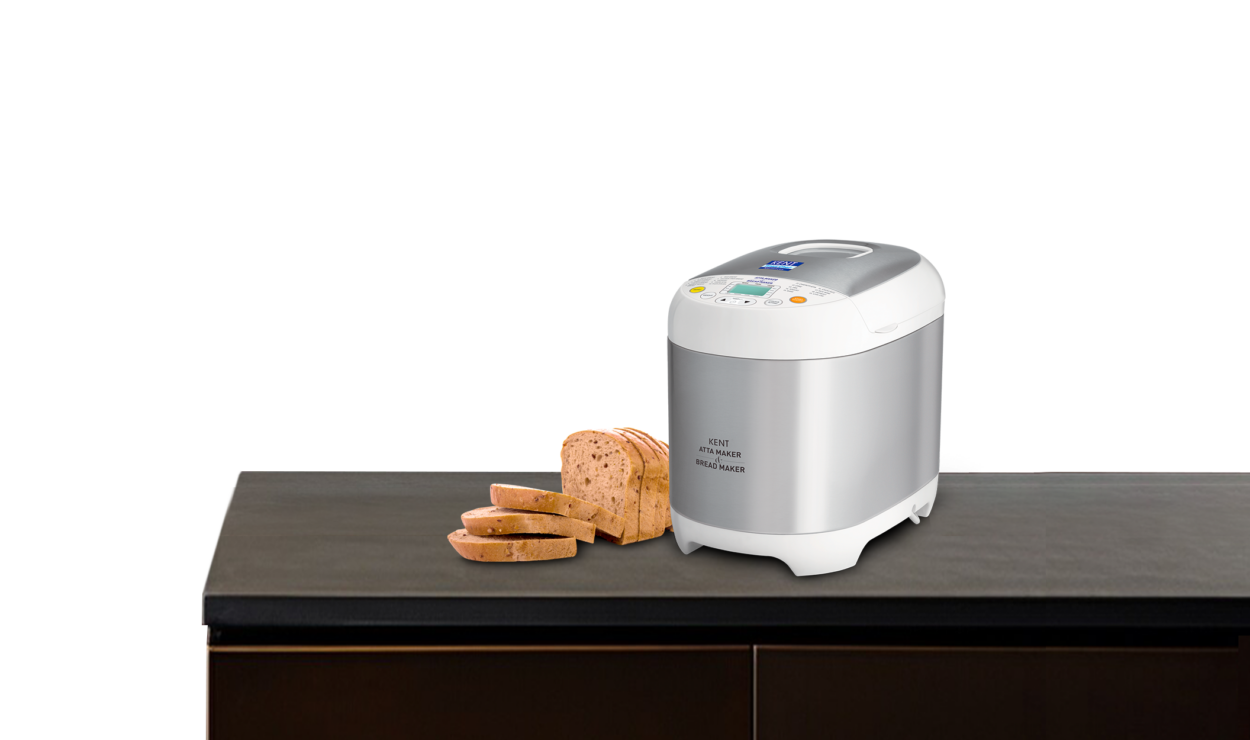
Consistent mixing, controlled proofing, and disciplined technique create reliable outcomes in every batch. A dependable Dough Maker can further support uniform texture and efficient preparation without compromising quality. The following are some of the techniques that can help in professional baking:-
Ingredient Balance: The Foundation of Strong Dough
Dough strength and texture depend on accurate ingredient proportions. Each component performs a structural function that influences elasticity, rise, and crumb formation. When balance is maintained, the dough develops stability and predictable baking performance.
To understand how ingredients contribute:-
- Flour provides protein that forms gluten and supports structure.
- Water hydrates flour and controls overall dough consistency.
- Yeast produces gas during fermentation, enabling expansion.
- Salt strengthens gluten and regulates yeast activity.
- Fats and sugar influence softness, browning, and moisture retention.
Accurate measurement ensures consistent structure and flavour. Even small errors can reduce the rise or weaken crumb formation. Precision at this stage prevents avoidable baking faults later.
Building Gluten Through Proper Mixing
Mixing initiates gluten development and distributes ingredients evenly. Proper blending ensures uniform hydration and structural consistency. Insufficient mixing leaves weak spots, while excessive mixing can create dense texture.
Hand mixing allows close control over dough feel and elasticity. However, a reliable dough maker ensures even blending and saves preparation time. The dough should appear smooth and cohesive before kneading begins. Correct mixing establishes the base for controlled fermentation and shaping.
Developing Strength Through Controlled Kneading
Kneading strengthens gluten networks and improves gas retention. This stage determines chewiness and crumb stability. As kneading progresses, the dough becomes smoother and more elastic.
Properly kneaded dough stretches thinly without tearing. It should also spring back lightly when pressed. A dough maker maintains steady motion and consistent pressure during this stage. Uniform kneading supports an even rise and a stable internal structure during baking.
Must Read: How To Use An Induction Cooktop: A Complete Guide For Beginners?
Timing and Temperature in Fermentation
Fermentation develops internal texture and flavour through yeast activity. During this stage, carbon dioxide forms and expands within the gluten network. Controlled proofing prevents structural weakness and uneven rise.
Effective fermentation requires attention to these conditions:-
- Maintain moderate and stable room temperature throughout proofing.
- Allow the dough enough time to double gradually in volume.
- Avoid overproofing which weakens gluten strength.
Dough should feel airy but still structured before shaping. Proper fermentation improves flavour clarity and crumb consistency. Careful timing ensures balanced expansion without collapse.
Shaping Techniques That Improve Oven Spring
Shaping prepares the dough for final expansion in the oven. Light degassing removes excess gas while preserving internal structure. Surface tension created during shaping supports upward lift.
Bread loaves require firm shaping to maintain structure. Flatbreads need lighter handling to retain softness. Uneven shaping can lead to irregular crumb or surface cracks. Controlled shaping improves presentation and ensures uniform baking.
Managing Heat for Optimal Crust and Crumb
Oven temperature directly affects crust development and internal texture. Preheating ensures stable heat before the dough enters the oven. Sudden temperature changes may restrict expansion.
Steam introduced during early baking delays crust formation. This allows the dough to expand fully before the surface sets. Monitoring internal temperature confirms complete baking. Proper heat control ensures balanced moisture and consistent crumb.
Enhancing Technique with Modern Equipment
Modern kitchen equipment improves efficiency while preserving technical control. A dependable dough maker simplifies preparation and supports consistent results across batches.
Modern kitchen equipment improves efficiency and control. A dependable dough maker supports consistent preparation and texture. Tools such as stand mixers and baking stones improve structure and oven performance. A Sandwich Maker complements freshly baked bread through even toasting. Selecting appliances from established brands such as KENT can further support reliability and long-term performance. Each appliance should reinforce precision and disciplined baking practice.
Conclusion
Mastering dough demands attention at every stage of preparation. Ingredient balance, proper mixing, controlled fermentation, shaping, and heat management determine structure and texture. Each step builds on the previous one to create reliable results. Consistent technique leads to repeatable quality. The right equipment can improve efficiency without replacing skill. When discipline and precision guide the process, baking delivers dependable and refined outcomes.

Sign up