



Modern Surgical Innovation: Tools Shaping the Future of Keyhole Procedures
Modern healthcare is rapidly evolving, and one of the most impactful advancements in recent decades is the shift toward minimally invasive techniques. Patients today expect safer procedures, faster...

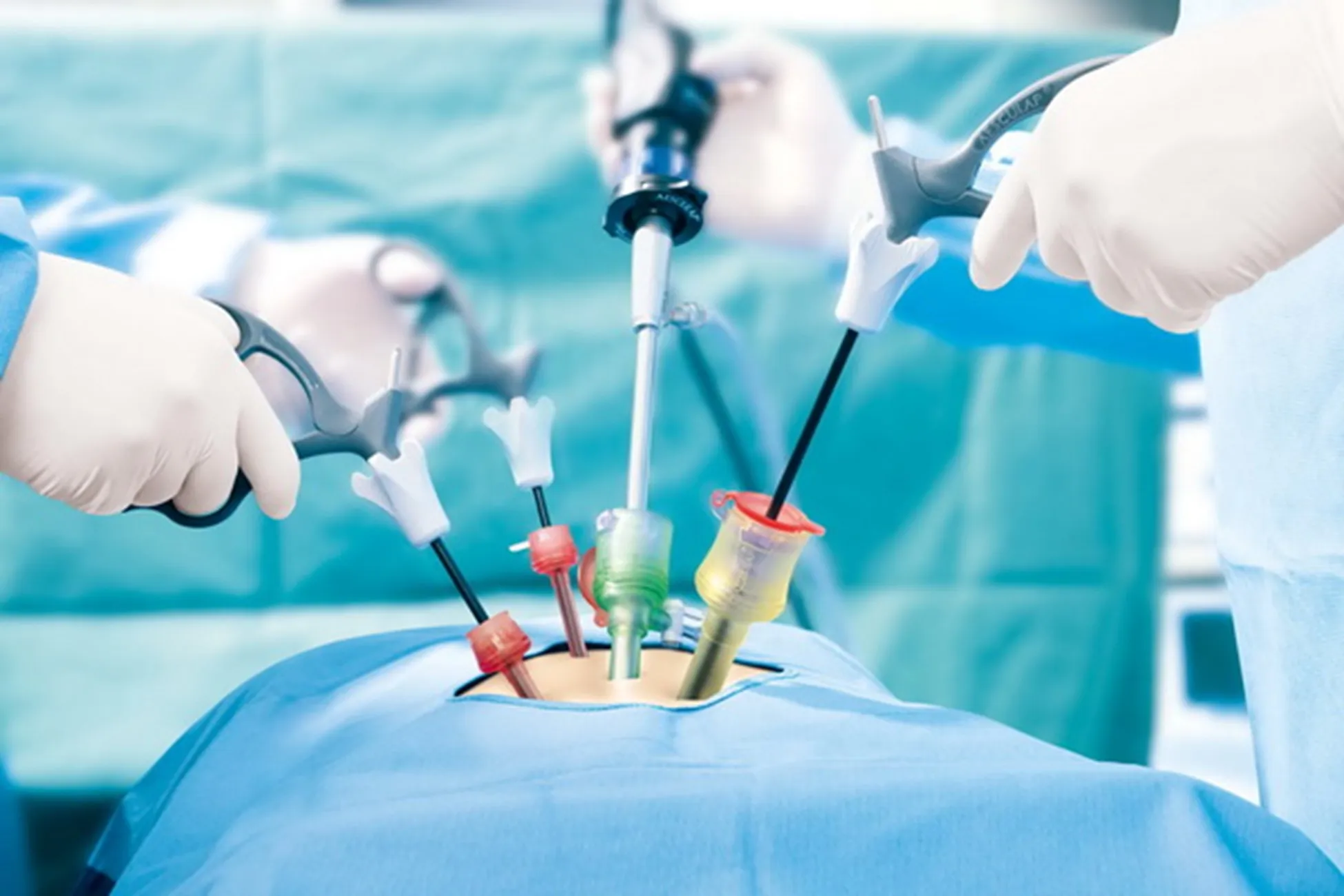
Modern healthcare is rapidly evolving, and one of the most impactful advancements in recent decades is the shift toward minimally invasive techniques. Patients today expect safer procedures, faster recovery times, and reduced post-operative discomfort, and surgeons are increasingly relying on advanced tools to meet these expectations. This transformation is being driven by precision engineering, improved imaging systems, and highly specialised surgical tools designed for accuracy in confined operating spaces.
Table Of Content
At the heart of this revolution lies innovation in laparoscopic surgery devices, which are enabling surgeons to perform complex procedures through tiny incisions with remarkable precision. In the middle of this transformation, these devices are not just improving surgical outcomes but also redefining how operating rooms function across the globe.
For healthcare providers, hospitals, and medical professionals, the benefits are clear: reduced hospital stays, lower infection risks, minimal scarring, and faster patient recovery. For surgeons, it means better control, enhanced visualisation, and improved procedural efficiency.
The Rise of Minimally Invasive Surgery
Minimally invasive or “keyhole” surgery has become the preferred approach for a wide range of procedures, including gallbladder removal, appendectomies, bariatric surgery, and gynaecological operations. Unlike traditional open surgery, this method relies on small incisions and specialised instruments to access internal organs.
The shift has been driven by both patient demand and technological advancement. Hospitals worldwide are investing heavily in modern operating systems because they improve surgical success rates while reducing overall healthcare costs.
Key advantages of minimally invasive surgery include:
- Smaller incisions and reduced scarring
- Less post-operative pain
- Shorter hospital stays and quicker recovery
- Lower risk of infection
- Improved surgical precision
These benefits have made it a standard approach in many developed healthcare systems, and emerging markets are rapidly following the same path.
Evolution of Surgical Instrumentation
The success of minimally invasive procedures depends heavily on the quality and design of surgical instruments. Over time, instruments have evolved from basic mechanical tools to highly advanced, ergonomically designed systems.
Earlier surgical tools were limited in flexibility and visualisation support. Today’s instruments integrate advanced optics, refined articulation mechanisms, and enhanced durability materials such as surgical-grade stainless steel.
The demand for high-quality equipment has also increased accessibility across global markets. Many healthcare providers now prefer sourcing laparoscopic instruments online, allowing them to compare specifications, certifications, and pricing more efficiently.
This digital accessibility has streamlined procurement processes and ensured that hospitals, even in remote regions, can access world-class surgical equipment.
Key Features of Modern Surgical Technology
Modern surgical instruments are designed with precision, safety, and efficiency in mind. The evolution of engineering has introduced several key improvements that directly impact surgical performance.
Some of the most important features include:
- High-definition visualization compatibility for better internal clarity
- Ergonomic handles designed to reduce surgeon fatigue
- Enhanced articulation for improved maneuverability
- Lightweight yet durable construction materials
- Compatibility with advanced energy systems and imaging tools
These innovations ensure that surgeons can perform delicate procedures with higher confidence and reduced risk.
In particular, laparoscopic surgery devices today are engineered to provide superior control and accuracy, allowing complex procedures to be completed through minimal access points. This advancement has significantly improved patient outcomes while also increasing operational efficiency in hospitals.
Benefits for Surgeons and Patients
The impact of modern surgical innovation is not limited to operating rooms—it extends directly to patient care and surgical workflow efficiency.
For patients, the benefits are immediately noticeable. Recovery times are significantly shorter, pain levels are reduced, and cosmetic outcomes are improved. This leads to a better overall healthcare experience and a faster return to normal life.
For surgeons and healthcare providers, the advantages are equally significant:
- Improved precision during complex procedures
- Reduced physical strain during long surgeries
- Better visualization of internal anatomy
- Higher procedural success rates
- Increased patient turnover efficiency in hospitals
Additionally, hospitals benefit from reduced post-operative complications, which helps lower overall treatment costs and improve patient satisfaction rates.
Technological Advancements Driving the Industry
The surgical field is continuously evolving, driven by innovation in optics, robotics, and digital integration. These advancements are shaping the future of minimally invasive procedures.
Key developments include the following:
- 3D and 4K visualization systems enhancing depth perception
- Robotic-assisted surgery improving precision in complex cases
- Smart energy devices reducing tissue damage
- AI-assisted diagnostics supporting pre-surgical planning
- Miniaturized instruments enabling even smaller incisions
These technologies are not replacing surgeons but empowering them with better control and accuracy. As a result, procedures that were once considered highly complex are now performed with greater confidence and consistency.
The integration of these technologies with modern devices is creating a new standard in surgical excellence, where precision and safety go hand in hand.
The Future of Surgical Innovation
The future of surgery is expected to be even more refined, with increased automation, smarter tools, and enhanced real-time data integration. Hospitals are gradually moving toward fully integrated operating rooms where every instrument communicates with digital systems for better coordination.
We can expect:
- Greater adoption of robotic-assisted laparoscopic systems
- Increased use of AI-driven surgical guidance
- Smarter, self-calibrating surgical instruments
- Expanded global access to advanced surgical tools
This evolution will continue to improve patient outcomes while reducing the complexity of surgical procedures.
Conclusion
Modern surgical innovation is redefining the boundaries of what is possible in healthcare. With the rise of advanced tools, improved imaging, and precision engineering, minimally invasive procedures have become safer, faster, and more effective than ever before.
From hospitals to surgical specialists, the reliance on high-quality instruments continues to grow, shaping a future where accuracy and patient safety are at the core of every procedure. As technology advances further, the role of innovative surgical systems and precision instruments will only become more essential in delivering world-class healthcare outcomes.
Salwan Surgicare is a leading manufacturer and exporter of high-quality surgical instruments, offering precision-engineered tools designed for hospitals, clinics, and healthcare professionals worldwide. With decades of expertise in medical manufacturing, the company focuses on delivering reliable and durable solutions that meet international standards of safety and performance. Salwan Surgicare: The company specialises in a wide range of surgical instruments, including laparoscopic, orthopaedic, gynaecology, and general surgery tools, ensuring consistent quality and innovation across its entire product line for global healthcare needs.






No Comment! Be the first one.