


Modern Vibration Therapy Tools for Fitness
Fitness technology has advanced dramatically over recent years across every category. From wearable trackers to AI-powered training platforms, innovation continues to accelerate. One of the most...

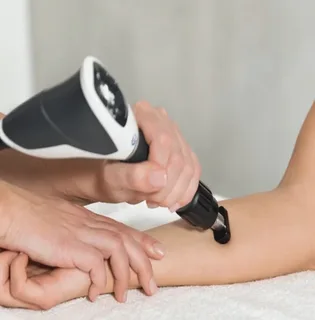
Fitness technology has advanced dramatically over recent years across every category. From wearable trackers to AI-powered training platforms, innovation continues to accelerate. One of the most impactful developments in fitness recovery is vibration therapy. Once used only in clinical and rehabilitation settings, it has entered mainstream fitness culture. Athletes, gym-goers, and active individuals are incorporating vibration tools into their routines. These tools offer benefits for warm-up, performance enhancement, recovery, and injury prevention. Understanding how modern vibration therapy tools work helps fitness enthusiasts maximize their use. This article explores the role of vibration therapy in modern fitness and athletic performance contexts.
Table Of Content
- What Vibration Therapy Is and Why It Matters for Fitness
- Why Fitness Professionals Are Embracing Vibration Therapy
- Types of Modern Vibration Therapy Tools Used in Fitness
- How Vibration Tools Enhance Fitness Performance
- Using Vibration Therapy for Warm-Up and Neuromuscular Activation
- Vibration Therapy for Post-Workout Muscle Recovery
- The Recovery Science Behind Vibration Therapy’s Effectiveness
- Bone Health Benefits for Fitness-Oriented Individuals
- Nutrition and Hydration to Support Vibration Therapy Outcomes
- Conclusion
What Vibration Therapy Is and Why It Matters for Fitness
Vibration therapy involves applying controlled mechanical oscillations to the body. These oscillations can be delivered through a whole-body platform or localized handheld tools. They stimulate muscles, tendons, bones, and connective tissue through mechanical means directly. The tonic vibration reflex is the primary muscular mechanism activated during vibration. This reflex causes rapid, involuntary muscle contractions throughout the stimulated area. These contractions activate motor units that might otherwise remain underrecruited. Regular activation of these units improves overall neuromuscular efficiency over time. For fitness enthusiasts, better neuromuscular efficiency means more effective and safer workouts. Vibration therapy also increases local blood flow to muscles and connective tissue. This circulatory benefit supports both athletic performance and exercise recovery significantly.
Why Fitness Professionals Are Embracing Vibration Therapy
Fitness professionals have observed meaningful and consistent benefits in their training clients. Pre-workout vibration can meaningfully improve flexibility and neuromuscular activation levels. Post-workout vibration accelerates recovery by reducing localized inflammation and soreness. Athletes using vibration consistently report faster recovery between demanding training sessions. Physiotherapists working with athletic populations were among the earliest clinical adopters. Sports scientists have published peer-reviewed research supporting its use across multiple fitness domains. Personal trainers now incorporate vibration protocols into programming for diverse client populations. The tools are versatile, adaptable, and compatible with a wide range of fitness goals. From strength training to yoga and endurance sports, vibration therapy has meaningful applications. Its growing presence in commercial gyms reflects increasing demand from fitness-conscious consumers worldwide.
Types of Modern Vibration Therapy Tools Used in Fitness
Several distinct types of vibration tools are used in modern fitness settings and programs. Whole-body vibration (WBV) platforms are the most commonly recognized category. Users stand, sit, or perform exercises on a vibrating platform during their session. Side-alternating platforms mimic a natural walking gait through their oscillation pattern. Vertical vibration platforms apply force directly upward through the base surface. Handheld percussive vibration devices deliver targeted mechanical stimulation to specific muscle areas. They are especially popular for post-workout muscle treatment and relaxation. Foam rollers with embedded vibration motors combine myofascial release with mechanical stimulation. Vibrating resistance bands represent an emerging fitness innovation that combines two modalities. Each tool type has specific use cases that fitness professionals can leverage strategically.
How Vibration Tools Enhance Fitness Performance
Performance enhancement is among the most appealing benefits for fitness-oriented users. Vibration warm-up activates the nervous system more effectively than static stretching alone. A more activated nervous system produces faster, stronger initial muscle contractions. This translates to improved performance in strength training and power-based athletic sports. Research shows increased vertical jump height following brief vibration warm-up protocols. Flexibility and range of motion also improve measurably after brief vibration exposure. Reduced muscular stiffness allows deeper and more effective exercise movements to occur. Balance and proprioception, both important for athletic performance, improve with regular use. For team sport athletes, improved balance reduces non-contact injury risk considerably. These performance benefits make vibration therapy a practical and evidence-supported pre-training tool.
A vibration therapy device designed for fitness use offers programmable intensity and frequency settings. Modern fitness-grade devices allow users to select parameters that match specific training goals. Some devices include pre-set protocols for warm-up, performance priming, and post-workout recovery. This programming flexibility makes them adaptable to diverse fitness needs and user schedules. Users who understand device settings can optimize each session more effectively. Guidance from a certified trainer or physiotherapist helps ensure safe and productive use.
Using Vibration Therapy for Warm-Up and Neuromuscular Activation
Warm-up is a critical phase of any training session that is often undervalued. Inadequate warm-up increases injury risk and reduces workout performance quality. Vibration therapy enhances warm-up effectiveness in a short and convenient amount of time. Two to three minutes of whole-body vibration elevates muscle temperature and circulation noticeably. This prepares muscles and connective tissue for the stress of intense training. Dynamic movements performed on a vibrating platform during warm-up are especially effective. Squats, lunges, and hip hinges on a vibrating platform activate key muscle groups powerfully. Vibration also stimulates joint mechanoreceptors, improving proprioceptive readiness for demanding movement. Athletes using vibration warm-up protocols consistently report feeling more physically prepared. Adding vibration to warm-up routines is a simple upgrade with meaningful performance returns.
Vibration Therapy for Post-Workout Muscle Recovery
Recovery is where significant fitness gains are consolidated, repaired, and developed. Muscles repair and grow during rest periods, not during the training sessions themselves. Accelerating recovery allows more frequent and high-quality training sessions over time. Vibration therapy is a powerful tool for enhancing post-workout muscle recovery specifically. Percussive vibration tools applied to tired muscles immediately after exercise are highly popular. They increase local blood flow and reduce the buildup of metabolic waste products. Delayed onset muscle soreness — felt 24 to 48 hours post-workout — is significantly reduced. Vibration relaxes hypertonic muscle fibers that commonly tighten after intense training sessions. Whole-body vibration platforms used for passive recovery sessions reduce overall systemic fatigue. Regular vibration recovery protocols support sustainable training volumes over extended periods.
The Recovery Science Behind Vibration Therapy’s Effectiveness
Controlled inflammation is the body’s normal response to exercise-induced muscle microtrauma. Mild inflammation is necessary for muscle adaptation and growth to proceed. However, excessive or prolonged inflammation delays recovery and impairs subsequent training performance. Vibration therapy modulates this inflammatory response in a physiologically beneficial direction. It increases lymphatic drainage, which removes inflammatory mediators from muscle tissue efficiently. Improved circulation delivers fresh oxygen and growth factors to actively repairing muscle fibers. Parasympathetic nervous system activation during vibration promotes systemic relaxation and tissue healing. This autonomic shift supports the body’s natural recovery processes between training sessions. These well-established mechanisms collectively explain why vibration enhances post-exercise recovery so consistently and effectively.
Bone Health Benefits for Fitness-Oriented Individuals
Fitness-oriented individuals often focus primarily on muscle and cardiovascular health development. However, bone health is equally important for sustainable long-term athletic performance. Repetitive impact sports like running and jumping create stress fracture risk in athletes. Bone stimulation through low-magnitude vibration supports bone density in physically active individuals. Stronger bones resist impact-related stress fractures and overuse injuries more effectively. Fitness enthusiasts incorporating bone-supportive vibration therapy reduce long-term skeletal injury risk. Women athletes, who face higher rates of bone stress injuries, benefit particularly from this. Maintaining strong bones alongside developed muscles creates a more resilient musculoskeletal system. Vibration tools that simultaneously support muscle and bone health deliver exceptional fitness value. Comprehensive skeletal health represents a competitive advantage in virtually any athletic discipline.
Nutrition and Hydration to Support Vibration Therapy Outcomes
Nutritional support amplifies the fitness benefits of vibration therapy considerably. Protein is essential for muscle repair and hypertrophy following any exercise session. Consuming adequate protein within two hours of training maximizes muscle protein synthesis. Carbohydrates replenish glycogen stores depleted during intense exercise effectively. Anti-inflammatory foods like omega-3-rich fish, berries, and leafy greens support faster recovery. Hydration before and after vibration sessions maintains optimal muscle cell function. Electrolytes lost during exercise should be replaced to avoid performance impairment. Vitamins C and E reduce oxidative stress produced during intense physical training sessions. A well-designed nutrition plan maximizes the return from every fitness and therapy session combined. Consistency in both nutrition and vibration therapy produces the strongest cumulative fitness results.
Conclusion
Modern vibration therapy tools offer significant and proven value for fitness enthusiasts and athletes. They enhance warm-up quality, improve training performance, and accelerate post-exercise recovery meaningfully. Bone health benefits add further long-term value to regular vibration therapy use by active individuals. The scientific mechanisms supporting vibration therapy are well-established and growing progressively stronger. Choosing the right device and appropriate protocol for specific fitness goals is essential. Combining vibration therapy with proper training programming and nutrition produces optimal results. Whether for professional athletes or dedicated recreational exercisers, vibration tools earn their place. Modern fitness is increasingly defined by recovery quality alongside training intensity and volume. Vibration therapy is a smart, evidence-based investment in sustained athletic performance and long-term health.



No Comment! Be the first one.