Multigenerational granny flats for growing families in Australia offer shared living, privacy, savings, and flexible housing solutions for all ages.
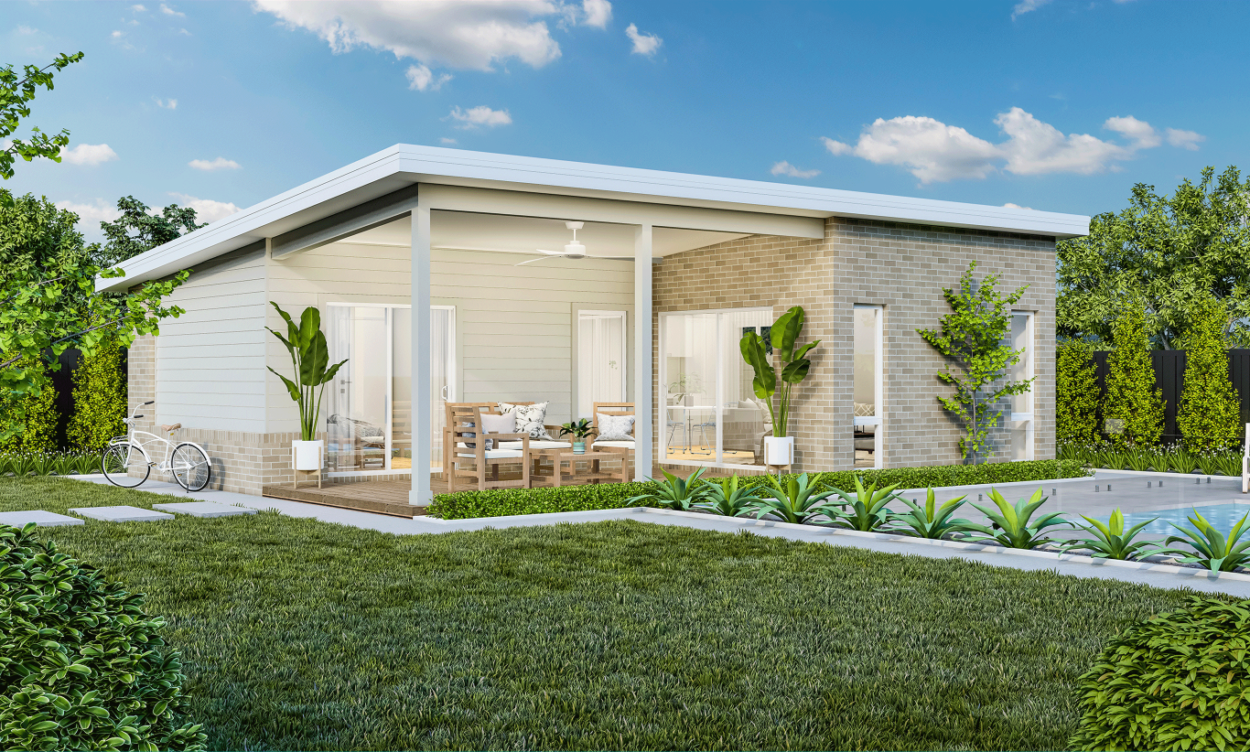
Multigenerational Granny Flats for Growing Families
Multigenerational granny flats for growing families provide a practical housing solution where parents, children, and grandparents live on the same property in separate, self-contained spaces. This setup supports privacy, shared living costs, and stronger family support while maintaining independence for each generation. In Australia, this housing style is becoming more common due to rising property prices and changing family needs.
Many families face challenges such as high rent, limited housing supply, and long commute times between relatives. Multigenerational living solves these issues by creating flexible space within the same land parcel. A granny flat becomes a separate home that supports daily living without overcrowding the main house. This structure improves both comfort and long-term financial stability.
In Australian cities like Sydney, demand for dual-living homes continues to grow as property affordability decreases. Families now look for housing that supports shared responsibility while still maintaining personal space. Granny flats offer a balanced solution that fits both lifestyle and financial goals.
For homeowners planning to build or upgrade their property, companies like Master Granny Flats provide tailored design solutions that focus on practical layouts, efficient space use, and long-term value. Their approach helps families create functional living spaces that suit multiple generations without compromising comfort or privacy. This makes professional guidance an important step in planning a successful multigenerational home.
Why Multigenerational Living Is Increasing In Australia
Multigenerational living in Australia is increasing due to rising housing costs, ageing population trends, and changing family structures. More households now include three generations living under one property to reduce expenses and improve caregiving support. Recent Australian housing trends show a steady rise in shared family homes, especially in major cities like Sydney and Melbourne.
One major driver is affordability pressure. The median house price in Sydney remains significantly higher than national income growth, making independent housing difficult for young adults and ageing parents. At the same time, families prefer staying close to support children and elderly relatives without paying multiple rents or mortgages.
Another factor is lifestyle convenience. Families benefit from shared childcare, reduced commuting stress, and stronger emotional support systems. This structure also helps older adults maintain independence while staying close to family assistance when needed.
Benefits Of Multigenerational Granny Flats In Sydney
Multigenerational granny flats in Sydney provide financial savings, privacy, and flexible living arrangements for families with multiple generations. These homes create independent living zones within the same property, allowing each family member to maintain personal space while staying connected.
Luxury granny flats Sydney also add long-term property value by increasing usable living area without requiring relocation or additional land purchase. Many homeowners in Sydney choose this option to support ageing parents or adult children while keeping overall household costs controlled.
Key benefits of multigenerational granny flats include:
- Reduced living expenses such as rent, utilities, and transport, for example shared electricity and water bills
- Increased property value through added self-contained accommodation
- Improved family support for childcare and elder care
- Greater privacy compared to shared single-home living
- Flexible usage such as guest accommodation or rental income potential
The growing demand for luxury granny flats Sydney reflects a shift toward smarter housing design that supports long-term family stability. This trend continues to expand as more families look for cost-effective living solutions in high-demand suburbs.
Space Planning And Design Considerations
Space planning for multigenerational granny flats focuses on creating functional layouts that support privacy, accessibility, and comfort for all age groups. A well-designed granny flat includes separate sleeping areas, private bathrooms, and compact kitchen spaces that support independent living.
Designers often include features such as wider doorways, step-free access, and open-plan living areas to support elderly residents and young families. Natural lighting and ventilation also play a key role in improving comfort and energy efficiency.
Important design considerations include:
- Minimum living area of 40–60 square metres for compact designs
- Separate entry points to maintain privacy between main house and granny flat
- Sound insulation between shared walls
- Storage optimisation to reduce clutter in smaller spaces
Good planning ensures that each generation enjoys independence while still benefiting from shared property use. This balance is essential for long-term satisfaction in multigenerational living setups.
Cost Factors And Financial Benefits
Building a multigenerational granny flat in Australia typically costs between AUD 120,000 and AUD 250,000 depending on size, materials, and design complexity. This cost is significantly lower than purchasing a second property, making it a practical investment for families.
Financial benefits extend beyond construction savings. Homeowners can generate rental income by leasing the granny flat or reduce family living costs by accommodating relatives on-site. Utility sharing also reduces monthly household expenses.
In many cases, property value increases after adding a granny flat, especially in high-demand suburbs where housing supply is limited. This makes it both a lifestyle and financial investment for long-term planning.
Legal Rules And Council Approvals In NSW
Legal requirements for granny flats in NSW are governed by local council regulations and state planning policies. In most cases, approval is required under the Complying Development Code or Development Application process.
granny flats in sydney must generally meet specific conditions such as:
- Maximum size limit of 60 square metres in many council areas
- Compliance with minimum setback and land requirements
- Connection to existing water, electricity, and sewer systems
- Ownership of a single residential property title
Approval processes vary depending on land zoning and property location. Homeowners must ensure compliance before construction begins to avoid delays or penalties. Understanding these regulations helps families plan efficiently and avoid unnecessary costs.
Common Design Types
Multigenerational granny flats come in several design types that suit different family needs and property sizes. Each design focuses on balancing independence and shared living.
Common types include:
- Detached granny flats with full separation from the main home
- Attached granny flats connected through a shared wall or corridor
- Dual-key designs with separate entrances under one roof
- Two-storey granny flats for narrow land blocks
Each design type offers different advantages depending on privacy needs, land size, and budget. Families often choose designs based on how many generations will live on the property and the level of independence required.
Conclusion
Multigenerational granny flats for growing families provide a practical solution to rising housing costs, ageing population needs, and changing lifestyle demands in Australia. These homes support financial savings, privacy, and stronger family connections within a single property. With proper planning, design, and compliance, they create long-term housing stability for multiple generations.
Explore more topics in our blog section for additional insights on modern housing solutions and property development ideas.


Leave a Comment