


Oleander Bush: Complete Guide to Growth and Care
Gardens filled with vibrant greenery often rely on hardy shrubs that can survive changing weather conditions while still offering visual appeal. Among such plants, one standout is the oleander bush,...

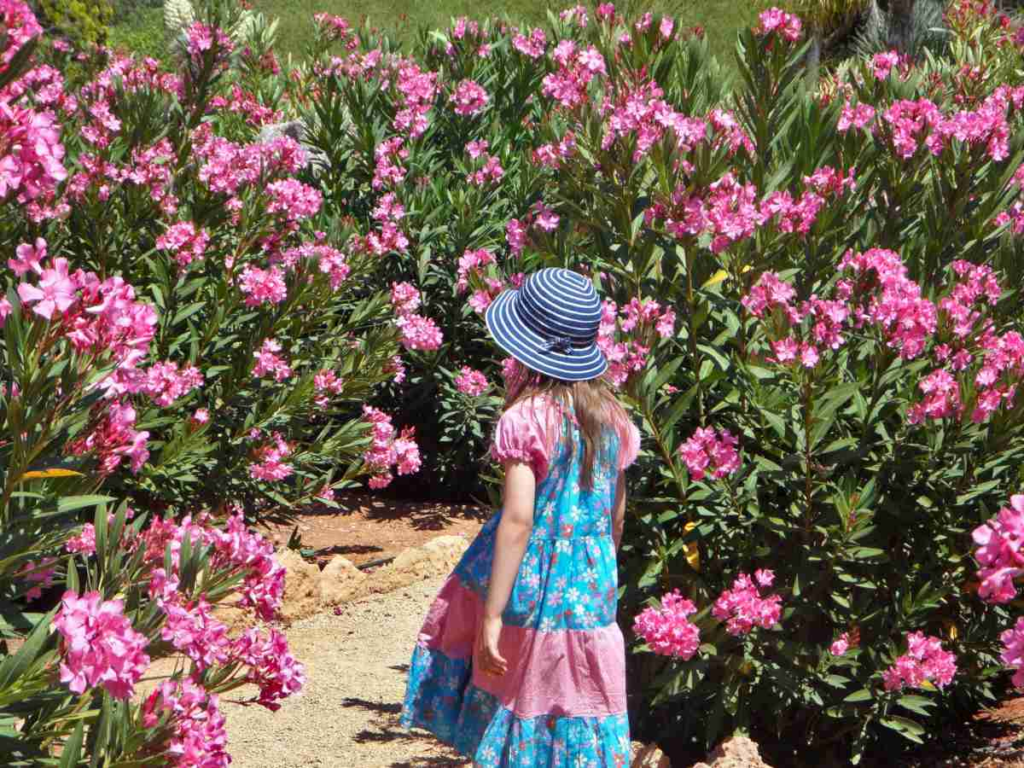
Gardens filled with vibrant greenery often rely on hardy shrubs that can survive changing weather conditions while still offering visual appeal. Among such plants, one standout is the oleander bush, a widely recognized ornamental shrub known for its dense foliage and seasonal blooms. Midway through many landscape designs, this bush plays an important role due to its resilience and ability to thrive in warm climates with minimal maintenance. Its popularity continues to grow among gardeners who prefer long-lasting, low-maintenance plants.
Table Of Content
In this article, we explore everything you need to know about this shrub, including its growth habits, environmental preferences, and practical uses in landscaping.
What is an Oleander Bush?
The oleander bush (Nerium oleander) is an evergreen flowering shrub commonly found in warm and subtropical regions. It is known for its long, narrow leaves and clusters of colorful flowers that bloom in shades of pink, white, red, and yellow. According to horticultural research, it is widely used in public landscapes because of its ability to withstand drought, heat, and poor soil conditions while still maintaining healthy growth.
One of the reasons gardeners choose this plant is its fast growth rate and adaptability. Once established, it can grow into a dense shrub that provides natural coverage and structure in gardens.
Ideal Growing Conditions
To successfully grow a healthy bush, understanding its environmental needs is essential. This plant thrives best in full sunlight, requiring at least six hours of direct sun each day. While it can tolerate partial shade, reduced sunlight may limit flowering and lead to weaker growth.
Soil conditions also play a major role. The plant prefers well-drained soil and does not perform well in waterlogged areas. It can adapt to different soil types, including sandy and rocky soils, making it suitable for a variety of garden environments. Proper drainage ensures the roots remain healthy and the shrub continues to grow steadily over time.
Watering requirements are relatively low once the plant is established. In fact, overwatering can harm its growth, so it is better to allow the soil to dry slightly between watering sessions.
Growth Pattern and Maintenance
A mature bush typically grows into a thick, rounded shape that can reach several feet in height. In some cases, it can even be trained into a small tree form, depending on pruning techniques. It is considered a fast-growing shrub, often adding noticeable height each year under the right conditions.
Pruning is an important part of maintaining its shape and encouraging healthy blooming. Light pruning after the flowering season helps remove old stems and promotes new growth. Regular maintenance also ensures that the shrub does not become overly dense, allowing better air circulation within the plant.
Fertilization can be done during the growing season to support flower production, although the plant is not highly dependent on heavy feeding. This makes it a low-maintenance option for both beginner and experienced gardeners.
Landscape Uses of These Bushes
One of the most practical uses of this shrub is in landscaping design. The oleander bush is often planted as a natural hedge or privacy screen due to its dense foliage. When planted in rows, it forms a thick barrier that can help reduce noise and block unwanted views.
It is also commonly used along roadsides, fences, and large garden borders. Its ability to tolerate heat and dry conditions makes it especially useful in areas where other plants struggle to survive. In addition, its colorful blooms add seasonal beauty to otherwise plain outdoor spaces.
Important Considerations
While the plant offers many benefits, it is important to handle it with care. All parts of the bush are toxic if ingested, and care should be taken when pruning or handling the plant. Wearing gloves is recommended to avoid skin irritation. Gardeners should also avoid planting it in areas accessible to pets or small children.
Despite this caution, its resilience and aesthetic value continue to make it a widely used ornamental shrub in many regions.
Conclusion
The bush remains one of the most versatile and hardy ornamental shrubs available for landscaping. In modern landscaping, flowering bushes continue to play a vital role in creating visually appealing and functional garden spaces. Its ability to thrive in harsh environments, combined with its attractive flowers and dense growth, makes it a valuable addition to many garden designs.






No Comment! Be the first one.