


Period Problems in Women Causes Symptoms and Care Guide
Menstrual health is a vital part of a woman’s overall well-being. However, many women experience period problems at different stages of life. These issues can range from mild discomfort to more...

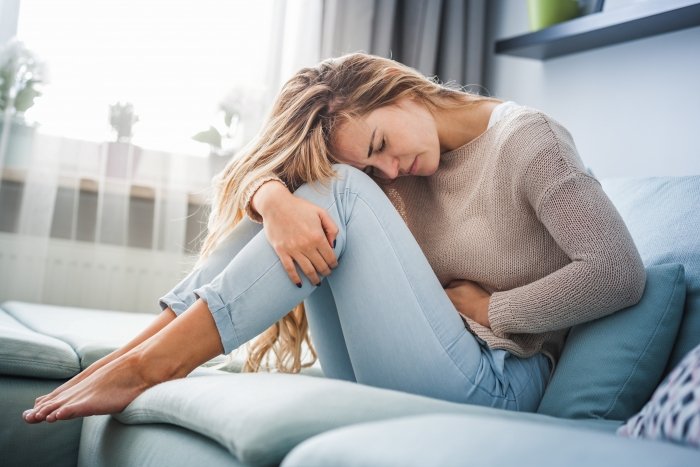
Menstrual health is a vital part of a woman’s overall well-being. However, many women experience period problems at different stages of life. These issues can range from mild discomfort to more serious conditions that affect daily activities. Understanding the causes, recognizing the symptoms, and knowing how to manage them can help women take better control of their health.
Table Of Content
- What Are Period Problems in Women?
- Common Causes of Period Problems in Women
- Hormonal Imbalance
- Stress and Emotional Factors
- Polycystic Ovary Syndrome (PCOS)
- Thyroid Disorders
- Lifestyle Factors
- Medical Conditions
- Symptoms of Period Problems in Women
- Types of Period Problems
- Irregular Periods
- Heavy Bleeding (Menorrhagia)
- Painful Periods (Dysmenorrhea)
- Missed Periods
- Premenstrual Syndrome (PMS)
- Simple Care Guide for Period Problems
- Maintain a Healthy Diet
- Stay Physically Active
- Manage Stress Effectively
- Stay Hydrated
- Use Heat Therapy
- Maintain a Regular Sleep Schedule
- Track Your Menstrual Cycle
- When to See a Doctor
- Medical Treatments for Period Problems
- Preventing Period Problems
- Conclusion
Period problems refer to any irregularity or discomfort related to the menstrual cycle. A normal menstrual cycle usually lasts between 21 to 35 days, with bleeding lasting around 3 to 7 days. When there are changes in timing, flow, or symptoms, it may indicate Period Problems.
What Are Period Problems in Women?
Period problems refer to any irregularity or discomfort related to the menstrual cycle. A normal cycle usually lasts between 21 to 35 days, with bleeding lasting 3 to 7 days. When there are changes in timing, flow, or symptoms, it is considered a period problem.
These problems can be temporary or long-term depending on lifestyle, health conditions, and hormonal balance.
Common Causes of Period Problems in Women
There are several factors that can affect the menstrual cycle. Understanding these causes helps in finding the right solution.
Hormonal Imbalance
Hormones such as estrogen and progesterone control the menstrual cycle. Any imbalance in these hormones can lead to irregular periods, heavy bleeding, or missed cycles. Hormonal changes can occur due to stress, age, or medical conditions.
Stress and Emotional Factors
Stress is one of the most common causes of period problems in women. High stress levels can affect the brain’s regulation of hormones, leading to delayed or missed periods.
Polycystic Ovary Syndrome (PCOS)
PCOS is a common condition that affects many women. It causes hormonal imbalance, irregular periods, weight gain, acne, and difficulty in ovulation.
Thyroid Disorders
Both underactive and overactive thyroid glands can disrupt the menstrual cycle. Thyroid hormones play an important role in regulating periods, and any imbalance can cause irregular or heavy bleeding.
Lifestyle Factors
Both an overactive and underactive thyroid can affect the menstrual cycle. Thyroid hormones play a key role in regulating periods, and any imbalance can lead to irregular or heavy bleeding. In some cases, Xendo Health experts highlight that proper diagnosis and treatment of thyroid issues can help restore normal menstrual patterns.
Medical Conditions
Conditions such as fibroids, endometriosis, or pelvic infections may cause heavy bleeding, pain, or irregular cycles.
Symptoms of Period Problems in Women
Symptoms can vary depending on the type of menstrual issue. Some common symptoms include:
- Irregular menstrual cycles
- Missed periods
- Heavy or very light bleeding
- Severe abdominal cramps
- Mood swings and irritability
- Fatigue and weakness
- Headaches or bloating
If these symptoms occur frequently or become severe, it may indicate an underlying health issue.
Types of Period Problems
Understanding different types of menstrual problems helps in identifying the issue more clearly.
Irregular Periods
When periods do not follow a consistent cycle, it is called irregular menstruation. This may be caused by hormonal imbalance or stress.
Heavy Bleeding (Menorrhagia)
Some women experience excessive bleeding during periods, which may lead to anemia and fatigue.
Painful Periods (Dysmenorrhea)
Severe cramps and pelvic pain during menstruation are common but can sometimes interfere with daily life.
Missed Periods
Missing periods occasionally can be normal, but frequent missed cycles may indicate hormonal or health issues.
Premenstrual Syndrome (PMS)
PMS includes symptoms like mood changes, irritability, fatigue, and bloating before periods start.
Simple Care Guide for Period Problems
Most period problems can be managed with simple lifestyle changes and self-care practices.
Maintain a Healthy Diet
A balanced diet plays a key role in menstrual health. Include foods rich in iron, calcium, and vitamins such as fruits, vegetables, dairy products, and whole grains.
Avoid processed foods, sugary snacks, and excessive caffeine, as they can worsen symptoms.
Stay Physically Active
Regular exercise such as walking, yoga, or light stretching helps improve blood circulation, reduce cramps, and balance hormones.
Manage Stress Effectively
Stress management is very important for menstrual health. Practices like meditation, deep breathing, and relaxation techniques can help reduce stress levels.
Stay Hydrated
Drinking enough water helps reduce bloating, improve digestion, and ease menstrual discomfort.
Use Heat Therapy
Applying a warm heating pad on the lower abdomen can help relax muscles and reduce cramps.
Maintain a Regular Sleep Schedule
Getting 7–8 hours of sleep each night helps regulate hormones and improve overall health.
Track Your Menstrual Cycle
Keeping a record of your periods helps identify patterns and detect any irregularities early. This can be done using a calendar or mobile app.
When to See a Doctor
It is important to seek medical advice if you experience:
- Very heavy or prolonged bleeding
- Severe pain that affects daily life
- Irregular periods for several months
- Missed periods without explanation
- Unusual symptoms or discomfort
Early diagnosis can help treat underlying conditions effectively.
Medical Treatments for Period Problems
Depending on the cause, doctors may recommend different treatments such as:
- Hormonal therapy or birth control pills
- Pain relief medications
- Treatment for PCOS or thyroid issues
- Iron supplements for anemia
- Surgical options in rare cases
Treatment is always based on individual health needs.
Preventing Period Problems
Healthy lifestyle habits can help reduce the risk of menstrual issues:
- Eat a balanced and nutritious diet
- Exercise regularly
- Manage stress levels
- Maintain a healthy weight
- Avoid smoking and alcohol
- Get regular health checkups
Consistency in these habits is key to long-term menstrual health.
Conclusion
Period problems in women are common and can be caused by hormonal imbalance, stress, lifestyle factors, or medical conditions. While these issues can be uncomfortable, most of them can be managed with proper care and attention.
By maintaining a healthy lifestyle, managing stress, and seeking medical help when needed, women can improve their menstrual health and overall well-being. Understanding your body is the first step toward a healthier and more balanced life.






No Comment! Be the first one.