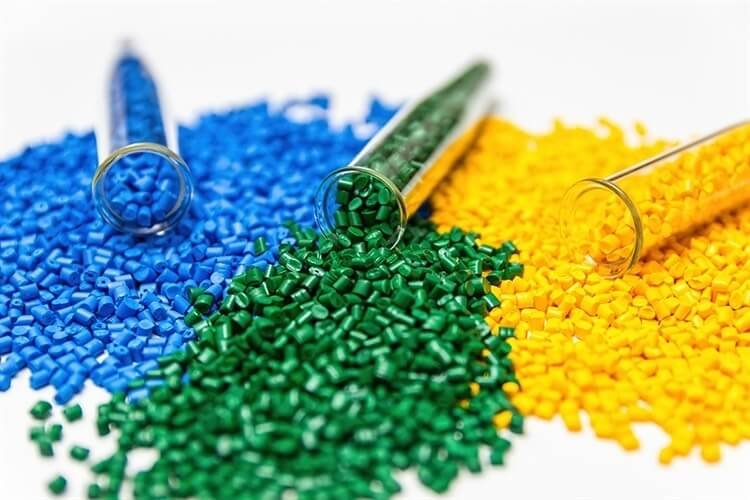
Plastic materials are now part of daily life across homes, industries, transport, farming, healthcare, and packaging. They are used because they are lightweight, durable, flexible, and affordable. From water bottles to car parts, plastic products are everywhere.
Today, plastic polymers play a major role in modern manufacturing because they can be shaped into many useful forms. They help industries produce safe, strong, and cost-effective products for millions of people around the world.
At the same time, growing plastic use has created environmental concerns. Waste management, pollution, and recycling challenges are important topics today. Understanding both the benefits and problems of plastics can help businesses and consumers make smarter choices.
In this article, we will explain simple facts about plastic materials, their environmental impact, major challenges, and possible solutions for a cleaner future.
What Are Plastic Polymers?
Plastic is made from materials called polymers. A polymer is a long chain of repeating molecules joined together. These chains create materials with different strengths, flexibility levels, and uses.
Some polymers are natural, while many plastics are made through industrial processes. Because of their adaptable nature, they are used in many sectors.
Common examples include:
- Polyethylene (used in bags and bottles)
- Polypropylene (used in containers and automotive parts)
- PVC (used in pipes and cables)
- Polystyrene (used in packaging and insulation)
- PET (used in beverage bottles and textiles)
Each type has special properties that make it suitable for certain products.
Why Plastic Became So Popular
Plastic became popular because it solves many practical problems. Compared to metal, wood, or glass, plastic often offers better convenience and lower cost.
Lightweight Material
Plastic is lighter than many traditional materials. This helps reduce transportation costs and fuel use.
Durable and Strong
Many plastic products last a long time and resist moisture, chemicals, and damage.
Affordable Production
Plastic can be mass-produced at lower cost, making products more affordable.
Flexible Design
Manufacturers can mold plastic into different shapes, sizes, and colors.
Useful in Healthcare
Plastic is used in syringes, packaging, gloves, masks, and medical devices.
Because of these advantages, plastic has become one of the most widely used materials in the world.
Main Environmental Impact of Plastic Use
Although plastics provide many benefits, poor disposal and overuse create serious environmental concerns.
1. Plastic Waste Accumulation
Large amounts of plastic waste are generated every year. Many items are used once and thrown away. If waste is not collected properly, it can remain in landfills or open areas for many years.
Unlike food waste or paper, many plastics break down very slowly.
2. Land Pollution
Improperly discarded plastic waste can block drains, damage soil quality, and create dirty surroundings. Thin plastic bags and wrappers are common litter in cities and villages.
3. Water Pollution
Plastic waste often reaches rivers, lakes, and oceans. It can harm marine life and damage ecosystems.
Animals may swallow plastic by mistake or become trapped in waste materials.
4. Air Pollution from Burning
Some people burn plastic waste in open areas. This can release harmful smoke and toxic substances into the air.
Proper disposal is always safer than open burning.
5. Microplastic Problem
Over time, larger plastic items can break into tiny particles called microplastics. These particles may enter water, soil, and food systems.
This is now a growing global concern.
Challenges in Managing Plastic Waste
Many countries face difficulties in controlling plastic pollution. The issue is not only plastic production but also waste handling systems.
Poor Waste Collection
In some places, waste is not collected regularly. This causes litter and illegal dumping.
Low Recycling Rates
Many plastic items are recyclable, but actual recycling rates remain low due to poor sorting and limited facilities.
Mixed Materials
Some products combine plastic with paper, metal, or other materials. These are harder to recycle.
Single-Use Consumption
Disposable cups, cutlery, wrappers, and packaging create large volumes of waste quickly.
Public Awareness
Many people still do not separate waste or understand recycling practices.
Positive Side of Plastic in Sustainability
Plastic is often blamed, but it can also support sustainability when used responsibly.
Reduced Food Waste
Plastic packaging helps keep food fresh for longer periods. This can reduce food spoilage.
Lower Transport Emissions
Because plastic is lightweight, transporting products often requires less fuel compared to heavier materials like glass or metal.
Water Saving in Agriculture
Plastic pipes, irrigation systems, and greenhouse films help improve farming efficiency.
Medical Safety
Sterile plastic packaging protects medicines and medical equipment.
So, the goal should not always be eliminating plastic completely, but using it wisely and managing waste correctly.
Recycling: A Key Solution
Recycling is one of the best ways to reduce plastic pollution.
How Recycling Helps
- Reduces landfill waste
- Saves raw materials
- Lowers energy use in some cases
- Supports circular economy systems
- Creates jobs in waste management industries
Common Recyclable Plastics
Many bottles, containers, and industrial plastic items can be recycled depending on local systems.
Importance of Segregation
Waste should be separated into categories like:
- Plastic
- Paper
- Metal
- Glass
- Organic waste
Clean and sorted waste is easier to recycle.
Role of Industries in Reducing Environmental Impact
Manufacturers play a big role in responsible plastic use.
Better Product Design
Companies can create products that use less material and are easier to recycle.
Recycled Content Use
Using recycled raw materials reduces dependence on new resources.
Sustainable Packaging
Businesses can reduce unnecessary layers of packaging.
Collection Programs
Some companies support take-back systems or recycling partnerships.
Innovation
Research is leading to stronger recyclable materials and alternative solutions.
Responsible industrial practices can make a major difference.
What Consumers Can Do
Everyday actions matter. Small habits from millions of people create big results.
Reuse Items
Use reusable bottles, bags, and containers whenever possible.
Avoid Unnecessary Single-Use Products
Choose durable alternatives where practical.
Sort Household Waste
Separate recyclable items before disposal.
Support Responsible Brands
Buy from companies that value sustainability.
Never Litter
Always use bins and proper disposal systems.
Future of Plastic Materials
The future of plastics is changing. Companies and researchers are working on smarter solutions.
Bioplastics
Some plastics are being made from plant-based materials.
Advanced Recycling
New recycling technologies can process more difficult plastic waste.
Circular Economy
Products are designed to be reused, repaired, and recycled instead of thrown away.
Smart Manufacturing
Modern factories aim to reduce waste during production.
These changes can help balance industrial growth with environmental responsibility.
Why Awareness Is Important
Many environmental problems happen because people do not understand the full life cycle of products. Awareness helps individuals and businesses make better choices.
When people know how plastics are produced, used, and disposed of, they become more responsible users.
Education in schools, communities, and workplaces can improve waste habits and recycling participation.
Choosing Quality Plastic Products Matters
Low-quality plastic products may break quickly and become waste faster. Stronger, well-made products often last longer and reduce replacement needs.
That is why buying from trusted manufacturers is important. Good production standards can improve durability, safety, and recyclability.
Conclusion
Plastic remains one of the most useful materials of the modern age. It supports healthcare, packaging, farming, transport, and manufacturing in many valuable ways. However, unmanaged waste and overuse have created serious environmental challenges.
The best path forward is responsible production, smart consumption, better recycling, and public awareness. By working together, industries and consumers can reduce pollution while keeping the benefits of modern materials.
For businesses looking for dependable manufacturing standards and quality solutions in plastic polymers, Duha Industries stands as a trusted name committed to innovation, performance, and responsible growth.


Leave a Comment