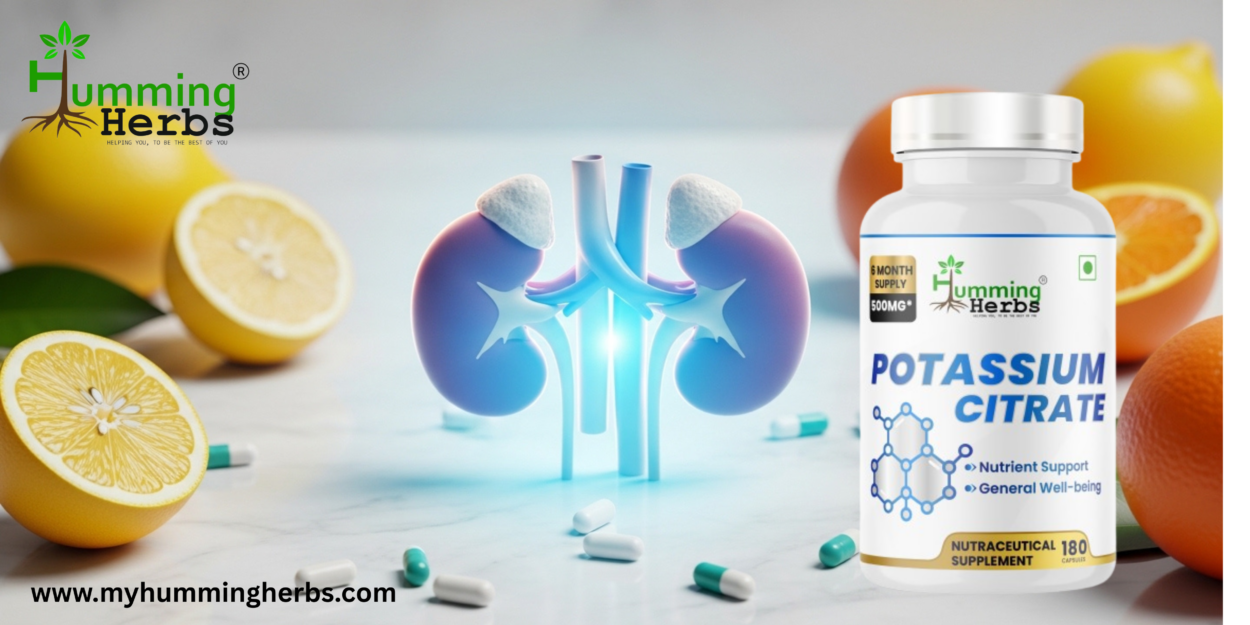
The Kidney Stone Problem Nobody Talks About
You’re in your 40s, feeling healthy, and then your doctor mentions something at your annual checkup: “Your uric acid levels are running high. We should keep an eye on that.” Or maybe you had a kidney stone before—that kind of pain you never want to experience again—and you’re determined not to let it happen twice.
If this sounds familiar, you’re not alone. Kidney stones affect about 1 in 10 Americans at some point in their lives, and recurrence is common. The good news? There’s a simple, natural-sounding compound that’s been used for decades to help prevent them: potassium citrate for kidney stones is one of the most straightforward ways to support your body’s defense against stone formation.
But before you jump to any conclusions, let’s talk about what actually happens in your body and why potassium citrate kidney stone prevention works the way it does.
What’s Really Happening Inside Your Kidneys
Your kidneys work 24/7 filtering waste from your blood. Most of the time, this process runs smoothly. But sometimes, minerals in your urine—calcium, oxalate, uric acid—can clump together and form solid crystals. That’s a kidney stone, and it can be incredibly painful.
Here’s the thing: your urine has a pH level (acidity or alkalinity), and that pH matters more than most people realize. When your urine is too acidic, it creates the perfect environment for certain types of stones to form. Uric acid stones, for example, love acidic conditions.
Potassium citrate for kidney health works by making your urine more alkaline, which is the opposite of what stone-forming minerals prefer. It’s not magic—it’s basic chemistry that your kidneys understand.
The Science: Why Potassium Citrate Works
When you take potassium citrate for uric acid or calcium stone prevention, the citrate part does two important things:
First, it raises the pH of your urine, making it less acidic. This alone makes it harder for stones to crystallize and form.
Second, citrate actually binds to calcium in your urine. This binding process keeps calcium from combining with oxalate or phosphate—the compounds that create stones in the first place. It’s like citrate is a peacekeeper, keeping the troublemakers from teaming up.
Your body also breaks down some of that citrate and excretes it naturally, which further protects against stone formation. This is why doctors have recommended potassium citrate for decades. It’s not a new discovery; it’s a proven approach.
Potassium Citrate vs. Just Drinking More Water
Water is important—seriously, don’t skip that part. Staying hydrated dilutes your urine and reduces the concentration of stone-forming minerals. But hydration alone isn’t always enough, especially if you have high uric acid levels, a history of stones, or genetic factors that make you prone to them.
How to take potassium citrate effectively means pairing it with other smart habits. You’re essentially giving your body an extra layer of defense. Think of it this way: water is the foundation, but potassium citrate is the reinforcement.
Many people who’ve had kidney stones or received a family history warning from their doctor find that combining hydration, dietary adjustments, and potassium citrate for kidney health gives them real peace of mind. It’s not about replacing medical advice—it’s about supporting your kidneys proactively.
Who Actually Benefits From Potassium Citrate?
If you’re reading this, you probably fall into one of these categories:
• People with a kidney stone history: If you’ve had one, you’re at higher risk for another. Using potassium citrate kidney stone prevention can significantly lower that recurrence rate.
• Those managing high uric acid levels: If your doctor flagged elevated uric acid, potassium citrate is one of the most straightforward supplements to address it naturally.
• People with calcium-based stones: Potassium citrate for calcium stones works by reducing free calcium in your urine, especially helpful if you’ve had calcium oxalate or calcium phosphate stones before.
• Gym-goers and active people: Intense exercise can increase uric acid and urine concentration. If you work out regularly and have risk factors, supporting your kidney health with supplements makes sense.
• Anyone with a family history: Kidney stone risk has a genetic component. If relatives had stones, being proactive now can save you months of preventive worry later.
How to Use Potassium Citrate: Timing and Dosage
Best time to take potassium citrate depends on your routine, but most people take it with meals to avoid stomach upset. A common potassium citrate dosage 500 mg (or tablets in this range) works well for daily maintenance. Many people start with one or two doses daily, depending on their situation.
Potassium citrate 500 mg capsules are easy to take, and consistent use is what matters. The idea is to support your kidneys every day, not just occasionally. Think of it like sunscreen—daily application is what protects you, not sporadic use.
Always talk with your doctor about the right dose for you, especially if you have kidney disease or take certain medications. They can recommend the potassium citrate dosage 500 mg that makes sense for your specific needs.
Why My Humming Herbs Stands Out
My Humming Herbs takes supplement quality seriously. Their potassium citrate 500 mg capsules are tested for purity and contain no fillers or unnecessary additives. When you’re supporting something as important as kidney health, you want to know exactly what you’re taking.
The brand’s approach mirrors the philosophy behind potassium citrate itself: do one thing well, and do it honestly.
Common Questions About Potassium Citrate
Can I get enough potassium citrate from food?
Some foods contain citrate (citrus fruits, some vegetables), but getting therapeutic amounts requires supplementation. Food helps, but it’s not usually enough for stone prevention if you’re at higher risk.
Is potassium citrate safe long-term?
When used at appropriate doses, potassium citrate is generally considered safe for long-term use. That said, it’s a supplement, and your kidneys deserve professional oversight. Check with your doctor, especially if you have kidney disease or take ACE inhibitors.
How long before I notice results?
You won’t feel results directly—kidney stone prevention isn’t something you sense. But consistent use over weeks and months creates an environment where stones are far less likely to form. That’s the whole point.
Can I combine potassium citrate with other supplements?
In most cases, yes. Many people combine it with magnesium, vitamin B6, and increased water intake. Your doctor or a functional medicine practitioner can give you a personalized combination.
Kidney stones are preventable. If you’re at risk, taking potassium citrate for kidney health is one of the smartest moves you can make. It’s backed by decades of research, it’s affordable, and it works by supporting your body’s own natural defenses.
Pair it with hydration, smart food choices, and regular doctor check-ins, and you’ve built a solid strategy. Your kidneys work hard for you. Give them the support they deserve with potassium citrate.


Leave a Comment