




Prefab House In The Philippines And Affordable Housing Solutions
A prefab house in the Philippines refers to a home built using pre-made sections produced in a controlled factory setting. These parts are later delivered to the site and assembled into a complete...

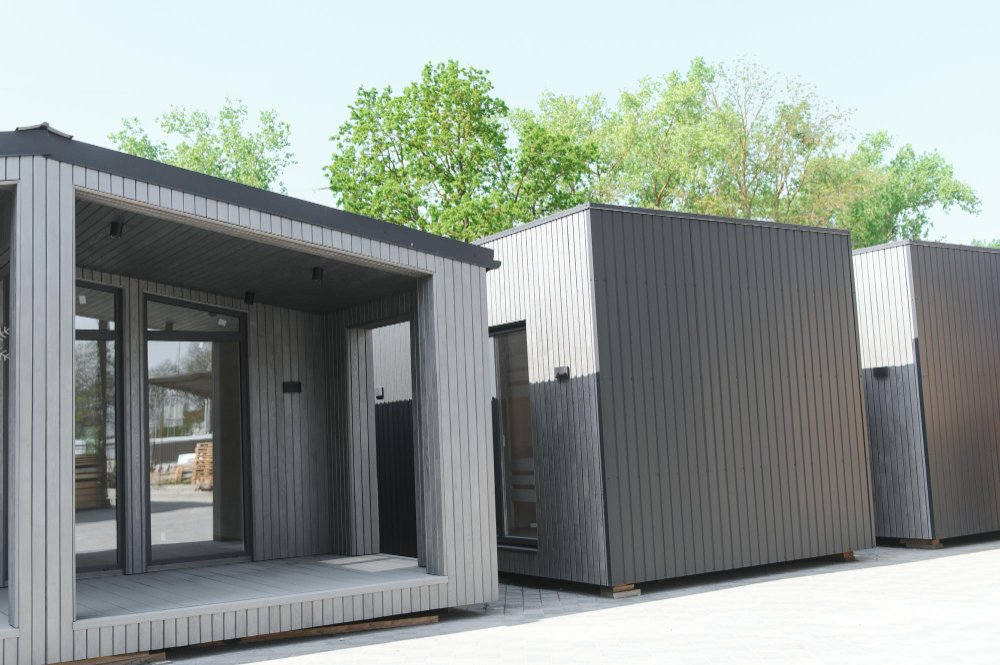
A prefab house in the Philippines refers to a home built using pre-made sections produced in a controlled factory setting. These parts are later delivered to the site and assembled into a complete structure. This method differs from traditional construction, which builds everything directly on-site using raw materials.
Top Content
- Why Affordable Housing Matters
- Cost Efficiency in Prefab Homes
- Faster Construction Time
- Consistent Quality Control
- Reduced Material Waste
- Design Flexibility
- Suitable for Urban and Rural Areas
- Energy Efficiency and Sustainability
- Challenges of Prefab Housing
- Financing and Accessibility
- Role in Government Housing Programs
- Long-Term Value and Durability
- Future Outlook of Prefab Housing
- Key Takeaway
Prefab housing includes different types such as modular homes, panel-built structures, and container-based units. Each type follows a system where parts are measured, cut, and prepared before delivery. This approach reduces on-site labor time and creates a more controlled building process with fewer unexpected delays.
Why Affordable Housing Matters
Affordable housing remains a major concern in many urban and rural areas across the Philippines. Rising land prices and construction costs make it difficult for many families to own safe and stable homes. Limited access to housing options often leads to overcrowding and informal settlements in high-density areas.
A prefab house in the Philippines offers a practical option for addressing this issue. By lowering construction costs and reducing build time, it provides an alternative path for families who cannot access traditional housing. This approach supports wider housing access without lowering basic structural standards.
Cost Efficiency in Prefab Homes
One of the main reasons prefab housing is linked to affordability is its cost structure. Materials are purchased in bulk and used in a controlled factory setting, which helps reduce waste. Labor costs are also lower because much of the work happens before the components reach the site.
A prefab house in the Philippines can reduce unexpected expenses often found in traditional builds. Weather delays, material shortages, and on-site errors are less common. This makes total project costs easier to estimate and manage, which is important for both developers and homeowners.
Faster Construction Time
Prefab homes are known for shorter construction timelines compared to conventional houses. While the foundation is being prepared on-site, the house components are already being built in a factory. This parallel process saves time and reduces the overall project duration.
A prefab house in the Philippines can often be completed in a few weeks, depending on the design and size. Faster completion helps families move into their homes sooner and reduces labor costs. It also supports housing programs that require quick delivery of multiple units.
Consistent Quality Control
Building in a factory setting creates a more consistent level of quality across all components. Workers follow set measurements and guidelines, which reduces errors that can happen during manual on-site construction. Materials are also stored in better conditions, which protects them from damage.
A prefab house in the Philippines benefits from this controlled environment. Each part is inspected before delivery, which helps maintain structural integrity. This process results in a more uniform build, especially when producing multiple units for housing projects.
Reduced Material Waste
Traditional construction methods often produce excess material waste due to cutting errors and poor planning. Leftover wood, concrete, and steel are commonly discarded, which increases overall project costs. Waste management also becomes an added concern for builders.
A prefab house in the Philippines reduces this issue by preparing materials in exact measurements. Factory production uses precise tools and planning systems that limit excess output. This leads to more efficient material use and helps keep construction costs within a predictable range.
Design Flexibility
Prefab homes are often associated with simple designs, but modern systems now offer a wide range of layouts and styles. Homeowners can select from standard models or request custom designs based on their needs. This makes prefab housing adaptable to different preferences and budgets.
A prefab house in the Philippines can include features found in traditional homes, such as multiple rooms, open spaces, and modern finishes. Design flexibility helps make these homes more appealing to a wider group of buyers, including families and small property developers.
Suitable for Urban and Rural Areas
Prefab housing works well in both city and rural environments. In urban areas, it helps address space limitations and high construction costs. In rural locations, it provides a faster way to build homes where access to skilled labor may be limited.
A prefab house in the Philippines can be transported to different locations with relative ease. This makes it useful for housing projects in remote areas where traditional construction resources are harder to access. It also supports disaster recovery efforts where quick housing solutions are needed.
Energy Efficiency and Sustainability
Many prefab homes are designed with energy use in mind. Insulated panels, efficient layouts, and proper ventilation help reduce electricity consumption. These features support lower utility costs for homeowners over time.
A prefab house in the Philippines can include sustainable materials and systems as part of its design. Factory-based construction also reduces the environmental impact linked to waste and repeated transportation of raw materials. This contributes to more responsible building practices.
Challenges of Prefab Housing
Despite its benefits, prefab housing still faces some limitations. Public perception can be a barrier, as some people associate prefab homes with temporary or lower-quality structures. This affects acceptance in certain communities.
A prefab house in the Philippines may also face regulatory and zoning challenges depending on the location. Local building codes and approval processes can vary, which may slow down project implementation. Awareness and policy support can help address these concerns over time.
Financing and Accessibility
Access to financing is an important factor in housing adoption. Some financial institutions are still adapting their policies to include prefab housing as a standard option. This can affect loan approvals for buyers interested in this type of home.
A prefab house in the Philippines is gradually gaining recognition among lenders and developers. As more projects are completed, confidence in this housing method continues to improve. This supports wider access to financing and increases the number of available housing options.
Role in Government Housing Programs
Government housing programs aim to provide safe and affordable homes for low-income families. Prefab construction methods can support these programs by offering faster and more cost-effective solutions. This helps meet housing targets within limited budgets.
A prefab house in the Philippines can be used in large-scale housing developments. Standardized designs and efficient production methods make it easier to build multiple units within a short period. This aligns with the goals of public housing initiatives.
Long-Term Value and Durability
Modern prefab homes are built to meet structural standards similar to traditional houses. Materials such as steel frames and reinforced panels provide durability and stability. These features help extend the lifespan of the structure.
A prefab house in the Philippines can offer long-term value when properly maintained. Quality control during production helps reduce structural issues over time. This makes prefab housing a viable option for both short-term and long-term residential use.
Future Outlook of Prefab Housing
Prefab housing continues to gain attention as a practical solution to housing challenges. Improvements in design, materials, and construction methods are making these homes more appealing. Increased awareness also helps change public perception.
A prefab house in the Philippines is becoming part of broader housing discussions among developers and planners. As demand for affordable housing remains high, this method provides a structured and efficient approach to meeting that need.
Key Takeaway
A prefab house in the Philippines presents a structured approach to affordable housing through controlled production, reduced waste, and faster construction timelines. It offers consistent quality and flexible design options suitable for different locations. While challenges remain, it remains a practical option for addressing housing needs in both urban and rural areas.