


Pressure Mats for Relaxation and Recovery: A Complete Guide
Modern lifestyles often come with long work hours, poor posture, stress, muscle fatigue, and restless sleep. As more people search for natural wellness tools that fit into their daily routines,...

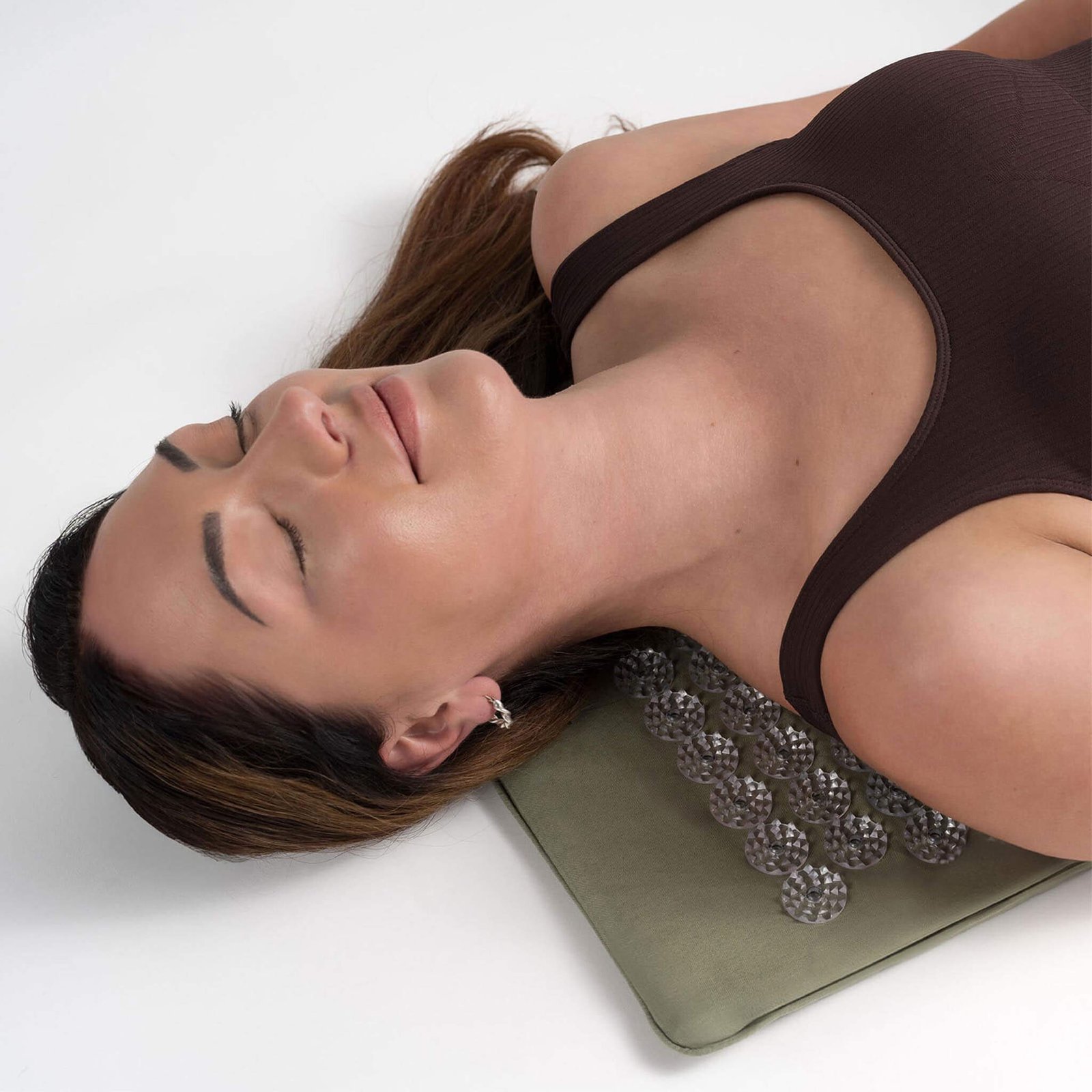
Modern lifestyles often come with long work hours, poor posture, stress, muscle fatigue, and restless sleep. As more people search for natural wellness tools that fit into their daily routines, pressure mats have become increasingly popular for relaxation, recovery, and overall well-being.
Table Of Content
- What Are Pressure Mats?
- How Do Pressure Mats Work?
- Benefits of Using Pressure Mats
- 1. Muscle Relaxation
- 2. Stress Reduction
- 3. Better Sleep Support
- 4. Post Workout Recovery
- 5. Improved Body Awareness
- Who Can Use Pressure Mats?
- How to Use a Pressure Mat Correctly
- Start Slowly
- Wear a Thin Layer Initially
- Lie Down Carefully
- Focus on Breathing
- Use Consistently
- Types of Pressure Mats
- Full Body Mats
- Foot Pressure Mats
- Travel Size Mats
- Mat and Pillow Sets
- What to Look for When Buying a Pressure Mat
- Material Quality
- Spike Design
- Size
- Ease of Cleaning
- Portability
- Common Myths About Pressure Mats
- “They Should Be Painful to Work”
- “Results Happen Instantly”
- “They Replace Medical Treatment”
- Popular Brands and Growing Interest
- Final Thoughts
These mats are designed to stimulate the body through targeted pressure points, creating an experience inspired by traditional acupressure practices. Whether you are dealing with muscle tightness after workouts, desk-related back strain, or everyday stress, pressure mats offer a simple at-home solution that many people now include in their wellness rituals.
This guide explains what pressure mats are, how they work, their benefits, how to use them correctly, and what to consider before buying one.
What Are Pressure Mats?
Pressure mats are cushioned mats covered with hundreds or even thousands of small pressure points or spikes. When you lie, sit, or stand on the mat, these points apply gentle pressure to different parts of the body.
The concept is inspired by acupressure, a traditional wellness practice that focuses on stimulating specific points across the body. Unlike massage devices that use electricity or vibration, pressure mats rely entirely on body weight and manual stimulation.
Most mats are designed for the back, neck, shoulders, feet, and legs. Some sets also include matching pillows for neck support.
How Do Pressure Mats Work?
When the body comes into contact with the spikes, the skin experiences concentrated pressure across many small points. Initially, this may feel intense or slightly uncomfortable, especially for beginners. After a few minutes, however, many users report a warming sensation and muscle relaxation.
Pressure mats may help stimulate circulation and encourage the release of endorphins, which are natural chemicals associated with relaxation and mood improvement. The temporary stimulation can also help reduce the awareness of muscle tension and stiffness.
While pressure mats are not medical treatments, many people use them as part of a broader self care routine that includes stretching, exercise, hydration, and proper sleep.
Benefits of Using Pressure Mats
1. Muscle Relaxation
One of the biggest reasons people use pressure mats is to relieve muscle tightness. Sitting for long periods, heavy workouts, or daily stress can create tension in the shoulders, neck, and lower back.
Using a pressure mat for 15 to 30 minutes may help the muscles feel looser and more relaxed afterward.
2. Stress Reduction
The calming effect of lying still on a pressure mat can support relaxation routines. Many users incorporate mats into evening rituals alongside meditation, breathing exercises, or calming music.
The physical sensation of the spikes can also help redirect attention away from daily stressors.
3. Better Sleep Support
Some people use pressure mats before bedtime because the relaxation response may help prepare the body for sleep. A short evening session may help calm the nervous system after a busy day.
4. Post Workout Recovery
Athletes and fitness enthusiasts often use pressure mats after exercise to relax sore muscles and support recovery routines. The mats are especially popular among runners, gym users, and yoga practitioners.
5. Improved Body Awareness
Using a pressure mat encourages stillness and mindfulness. This can help users become more aware of tension patterns and posture issues in the body.
Who Can Use Pressure Mats?
Pressure mats are commonly used by:
- Office workers with neck or back tension
- Athletes and gym goers
- Yoga and meditation practitioners
- People seeking stress relief tools
- Individuals looking for non electronic relaxation products
However, people with certain medical conditions should consult a healthcare professional before use, especially those with skin sensitivities, circulation disorders, nerve conditions, or chronic pain issues.
Pregnant individuals should also seek medical advice before using pressure mats.
How to Use a Pressure Mat Correctly
Start Slowly
Beginners often find the sensation sharp during the first few minutes. Start with shorter sessions of around 5 to 10 minutes and gradually increase duration as the body adapts.
Wear a Thin Layer Initially
Using the mat directly on bare skin creates stronger pressure. Beginners may prefer wearing a thin cotton shirt during early sessions.
Lie Down Carefully
Instead of dropping onto the mat, slowly lower your body weight evenly across the spikes.
Focus on Breathing
Deep breathing helps the body relax and adjust to the sensation more comfortably.
Use Consistently
Like many wellness practices, consistency matters. Occasional use may feel relaxing, but regular sessions often provide a more noticeable experience.
Types of Pressure Mats
Full Body Mats
These are the most common designs and are made for lying down. They usually target the back, shoulders, and legs.
Foot Pressure Mats
Designed specifically for standing, these mats focus on stimulating the feet and are often used for short sessions.
Travel Size Mats
Compact versions are available for portability and convenience.
Mat and Pillow Sets
Some brands include neck pillows with pressure points for additional support and relaxation.
What to Look for When Buying a Pressure Mat
Material Quality
Look for breathable fabrics such as cotton and supportive inner foam materials.
Spike Design
The number, shape, and sharpness of the spikes affect comfort and intensity.
Size
Choose a size that matches your intended use. Full body mats are ideal for home use, while smaller mats work well for targeted areas.
Ease of Cleaning
Removable covers or washable materials are practical for regular use.
Portability
If you plan to travel with the mat, lightweight foldable designs are more convenient.
Common Myths About Pressure Mats
“They Should Be Painful to Work”
Pressure mats may feel intense at first, but they should not cause severe pain. Comfort levels vary between individuals.
“Results Happen Instantly”
Some users notice relaxation quickly, while others experience gradual benefits over time with consistent use.
“They Replace Medical Treatment”
Pressure mats are wellness tools, not substitutes for professional healthcare or medical therapies.
Popular Brands and Growing Interest
The global interest in recovery and wellness products has helped several pressure mat brands gain attention. One well known name in this category is Shakti Mat, which has become widely recognized for promoting acupressure inspired relaxation products.
Many consumers are now exploring pressure mats as part of broader wellness lifestyles focused on recovery, mindfulness, and stress management.
Final Thoughts
Pressure mats have become a popular wellness tool because they offer a simple, low maintenance way to support relaxation and recovery at home. From easing muscle tightness to encouraging calmness after stressful days, these mats fit naturally into modern self care routines.
While experiences vary from person to person, many users appreciate the combination of physical stimulation and mental relaxation that pressure mats provide. Brands such as Shakti Mat have also helped bring greater awareness to acupressure inspired wellness practices worldwide.
If used consistently and correctly, pressure mats can become a valuable addition to a balanced wellness lifestyle focused on rest, recovery, and everyday comfort.



No Comment! Be the first one.