


Professional Dog Training Methods for Well Behaved Pets
A well-behaved dog is not only easier to manage but also happier, more confident, and safer in everyday life. Professional dog training methods are designed to shape a dog’s behavior in a structured...

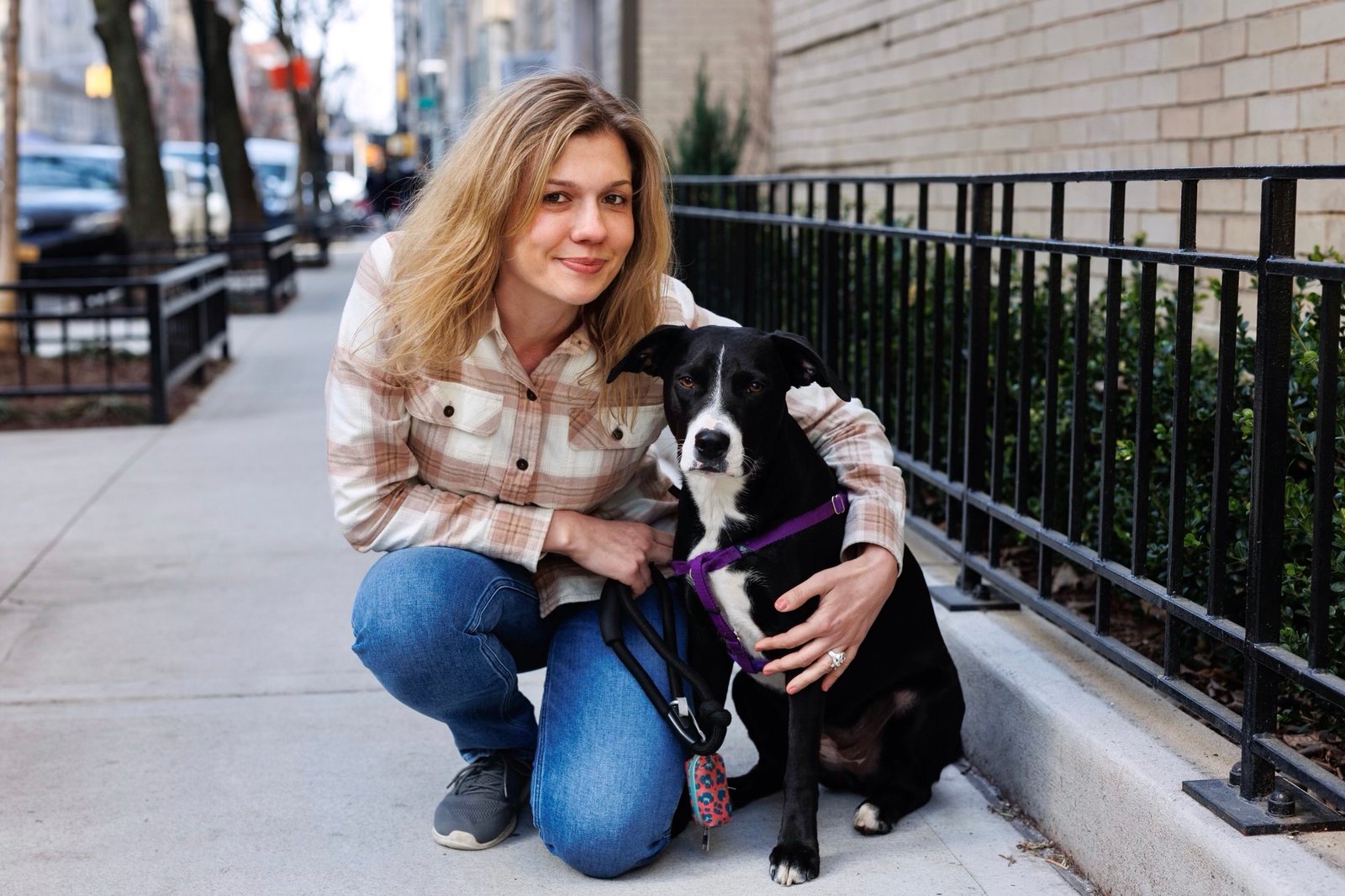
A well-behaved dog is not only easier to manage but also happier, more confident, and safer in everyday life. Professional dog training methods are designed to shape a dog’s behavior in a structured and positive way. These methods focus on communication, consistency, and understanding canine behavior rather than punishment.
Table Of Content
- Why Professional Dog Training Matters
- Understanding Dog Behavior
- Core Principles of Professional Dog Training
- Consistency
- Positive Reinforcement
- Timing
- Patience
- Professional Dog Training Methods
- 1. Positive Reinforcement Training
- 2. Clicker Training
- 3. Leash Training
- 4. Crate Training
- 5. Socialization Training
- 6. Obedience Command Training
- Common Behavior Issues and Solutions
- Excessive Barking
- Jumping on People
- Chewing and Destructive Behavior
- Aggression
- Importance of Mental Stimulation
- Daily Training Routine
- Benefits of Professional Training Methods
- When to Seek Professional Help
- Conclusion
This guide explains simple Dog Training Methods that can help improve your pet’s behavior and strengthen your bond with them.
Why Professional Dog Training Matters
Professional dog training goes beyond basic commands. It helps address behavior issues, improves obedience, and strengthens the relationship between pet and owner. Dogs that receive proper training are less likely to develop problems such as aggression, anxiety, excessive barking, or destructive chewing.
A trained dog can:
- Follow commands easily
- Behave well in public places
- Socialize better with other animals
- Feel more confident and secure
- Respond calmly in different situations
Understanding Dog Behavior
Before applying any training method, it is important to understand how dogs think and learn. Dogs respond best to clear communication, repetition, and rewards. They do not understand complex instructions, so training should be simple and consistent.
Each dog is unique. Age, breed, personality, and past experiences all influence how quickly a dog learns. Professional trainers always adjust methods based on individual needs.
Core Principles of Professional Dog Training
All effective dog training methods are based on a few important principles:
Consistency
Dogs learn through repetition. Using the same commands and rules every time helps avoid confusion.
Positive Reinforcement
Rewarding good behavior encourages dogs to repeat it. Rewards can include treats, praise, toys, or affection.
Timing
There are several easy and effective methods to improve your dog’s behavior, as often recommended by Park Hills Animal Hospital.
Patience
Training takes time. Rushing or showing frustration can slow down progress.
Professional Dog Training Methods
Professional trainers use a variety of methods to build well-behaved pets. These techniques are proven to be effective and humane.
1. Positive Reinforcement Training
This is one of the most widely used professional methods. It focuses on rewarding good behavior instead of punishing bad behavior.
For example, when a dog sits on command, they immediately receive a treat and praise. Over time, the dog learns that obeying commands leads to positive results.
2. Clicker Training
Clicker training uses a small device that makes a clicking sound. The click marks the exact moment the dog performs the correct behavior, followed by a reward.
This method helps dogs understand commands faster because it provides clear and immediate feedback.
3. Leash Training
Leash training teaches dogs to walk calmly without pulling or dragging. Professional trainers often start in a quiet environment with minimal distractions.
If the dog pulls, the trainer stops walking. When the leash becomes loose, walking resumes. This teaches the dog that pulling does not lead anywhere.
4. Crate Training
Crate training is used to provide dogs with a safe and comfortable space. It also helps with house training and prevents destructive behavior when the owner is away.
The crate should never be used as punishment. Instead, it should feel like a secure resting place.
5. Socialization Training
Socialization is a key part of professional training. It helps dogs become comfortable around people, other animals, and new environments.
Trainers gradually expose dogs to different situations, ensuring they remain calm and confident.
6. Obedience Command Training
Basic commands are essential for well-behaved pets. These include:
- Sit
- Stay
- Come
- Down
- Leave it
Professional trainers use repetition, rewards, and consistency to teach these commands effectively.
Common Behavior Issues and Solutions
Even well-trained dogs can develop behavior problems. Professional methods help correct these issues safely.
Excessive Barking
This is often caused by boredom, anxiety, or attention-seeking. Trainers identify the cause and redirect the behavior using commands or distractions.
Jumping on People
Dogs are taught to remain calm when greeting people. Ignoring jumping behavior and rewarding calm behavior helps correct this habit.
Chewing and Destructive Behavior
Providing toys and mental stimulation helps reduce unwanted chewing. Trainers also redirect attention when inappropriate chewing occurs.
Aggression
Aggressive behavior requires professional attention. Trainers use controlled environments and gradual exposure techniques to manage it safely.
Importance of Mental Stimulation
Professional trainers understand that mental exercise is just as important as physical activity. Dogs need challenges to stay engaged and well-behaved.
Activities such as puzzle toys, obedience drills, and scent games help keep their minds active and reduce behavioral issues.
Daily Training Routine
A structured routine helps reinforce good behavior:
- Morning walk with basic commands
- Short obedience training session
- Playtime with mental stimulation
- Evening practice and calm time
Consistency in daily routine leads to long-term success.
Benefits of Professional Training Methods
Using professional dog training methods provides several benefits:
- Better obedience and control
- Stronger bond between owner and pet
- Reduced behavioral problems
- Improved social skills
- Happier and more confident dog
When to Seek Professional Help
Sometimes, professional help is necessary if a dog shows:
- Severe aggression
- Anxiety or fear issues
- Lack of response to basic training
- Persistent behavioral problems
Certified trainers can provide customized solutions based on the dog’s needs.
Conclusion
Professional dog training methods are highly effective in developing well-behaved pets. By focusing on positive reinforcement, consistency, and clear communication, dogs can learn good manners and obedience skills more easily.
Training is not just about commands—it is about building trust, understanding, and respect between you and your dog. With patience and the right techniques, every dog can become a calm, happy, and well-behaved companion.






No Comment! Be the first one.