


Range Exhaust Insert Guide for Modern Kitchen Ventilation
Modern kitchen design is no longer just about aesthetics; it is equally about functionality, air quality, and efficient ventilation. One of the most important components in achieving this balance is...

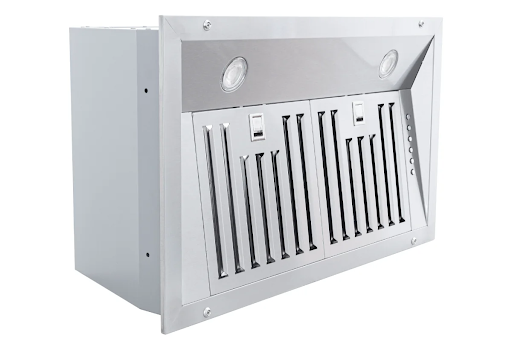
Modern kitchen design is no longer just about aesthetics; it is equally about functionality, air quality, and efficient ventilation. One of the most important components in achieving this balance is the range exhaust insert. It serves as the internal engine of a kitchen ventilation system, designed to remove smoke, grease, heat, and odors generated during cooking. Unlike traditional visible hoods, inserts are integrated into custom-built enclosures, offering both performance and design flexibility. This makes them a preferred choice in modern and luxury kitchen setups where clean design and strong ventilation are both priorities.
Table Of Content
- What is a Range Exhaust Insert?
- How a Range Exhaust Insert Works
- Key Features of Modern Range Exhaust Inserts
- 1. High Airflow Capacity
- 2. Custom Integration
- 3. Durable Filtration Systems
- 4. Lighting and Controls
- Why Range Exhaust Inserts Are Important
- Installation and Design Considerations
- Range Exhaust Inserts vs Traditional Ventilation Systems
- Conclusion
What is a Range Exhaust Insert?
A range exhaust insert is a built-in ventilation unit that is installed inside a custom hood structure. It contains the essential components needed for air extraction, including the blower, filters, lighting, and control system. In most cases, these inserts are designed to be concealed, meaning the visible part of the kitchen hood is custom-built around them. This allows homeowners and designers to fully control the appearance of the kitchen while still benefiting from powerful ventilation performance. Inserts are commonly used in both residential and semi-commercial kitchens where stronger airflow and cleaner aesthetics are required.
How a Range Exhaust Insert Works
The process typically works as follows:
- The blower pulls in smoke, steam, and grease from the cooktop area
- Air passes through filters that trap grease particles
- The system either vents air outside through ductwork or recirculates filtered air (depending on setup)
- Clean air is released back into the kitchen or expelled outdoors
This system ensures that harmful particles do not settle on surfaces or circulate indoors.
Key Features of Modern Range Exhaust Inserts
Modern ventilation technology has significantly improved the efficiency and usability of inserts. Today’s systems are designed to handle heavy cooking loads while maintaining energy efficiency and quieter operation.
1. High Airflow Capacity
Most range exhaust inserts offer strong airflow performance measured in CFM (cubic feet per minute), making them suitable for heavy cooking, grilling, and frying.
2. Custom Integration
Because inserts are hidden inside cabinetry or custom hoods, they allow complete design flexibility without compromising ventilation performance.
3. Durable Filtration Systems
Many units use stainless steel baffle filters or mesh filters that capture grease effectively and are easy to clean.
4. Lighting and Controls
Built-in LED lighting improves visibility during cooking, while modern control systems allow speed adjustments based on cooking intensity.
Why Range Exhaust Inserts Are Important
Proper ventilation is essential in any kitchen because cooking releases heat, smoke, and airborne grease. Without effective extraction, these particles can accumulate on walls, cabinets, and ceilings, reducing hygiene and comfort.
A well-designed range exhaust insert helps in:
- Improving indoor air quality
- Reducing grease buildup on surfaces
- Controlling kitchen temperature during cooking
- Enhancing overall cooking comfort
Installation and Design Considerations
Installing a range exhaust insert requires careful planning because it must align perfectly with the custom hood structure. Measurements, duct alignment, and airflow capacity must be evaluated before installation.
Key considerations include:
- Proper hood size relative to cooktop width
- Adequate duct routing for efficient airflow
- Correct CFM rating based on cooking style
- Noise level preferences for indoor comfort
Range Exhaust Inserts vs Traditional Ventilation Systems
Unlike standard wall-mounted or under-cabinet units, inserts are designed to be hidden within custom enclosures. This provides a more seamless kitchen appearance while still offering high-performance ventilation. Traditional systems are more visible and easier to install, but they often lack the design flexibility that inserts provide. Inserts are preferred in modern kitchen remodeling projects where aesthetics and performance must work together.
Conclusion
The range exhaust insert plays a crucial role in modern kitchen ventilation by combining powerful airflow with flexible design integration. It allows homeowners to maintain clean, stylish kitchens without compromising on air quality or cooking efficiency. As kitchen design continues to evolve, ventilation systems consisting of range hoods like inserts are becoming increasingly important in delivering both performance and visual appeal. When properly selected and installed, they ensure a healthier cooking environment and long-term durability. Ultimately, understanding their role in ventilation helps highlight why inserts have become a key component in today’s advanced kitchen setups.






No Comment! Be the first one.